View methods side by side.
Choose up to four methods. Add them using the search and share the comparison by copying its link.
| Criterion |  Decision Making Constraint Analysis | 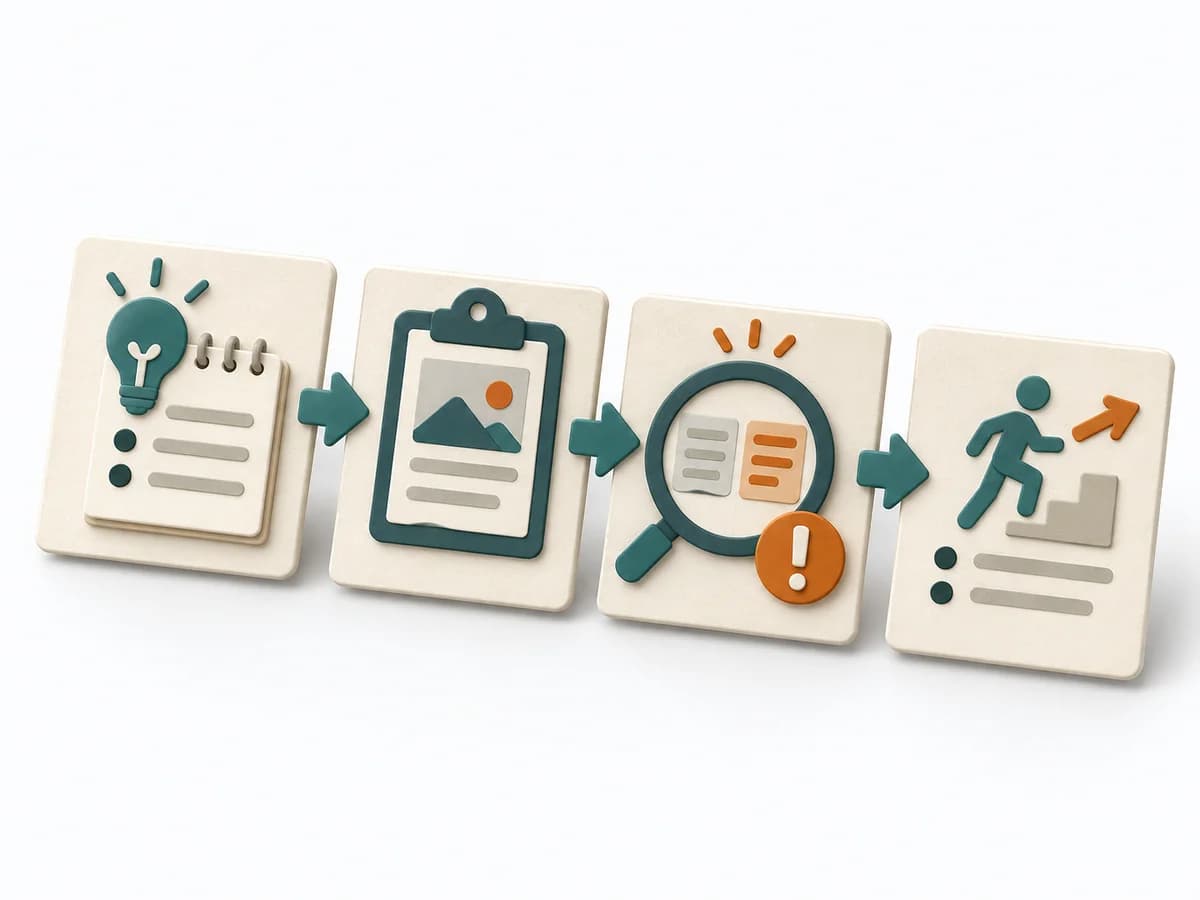 Operations After-Action Review | 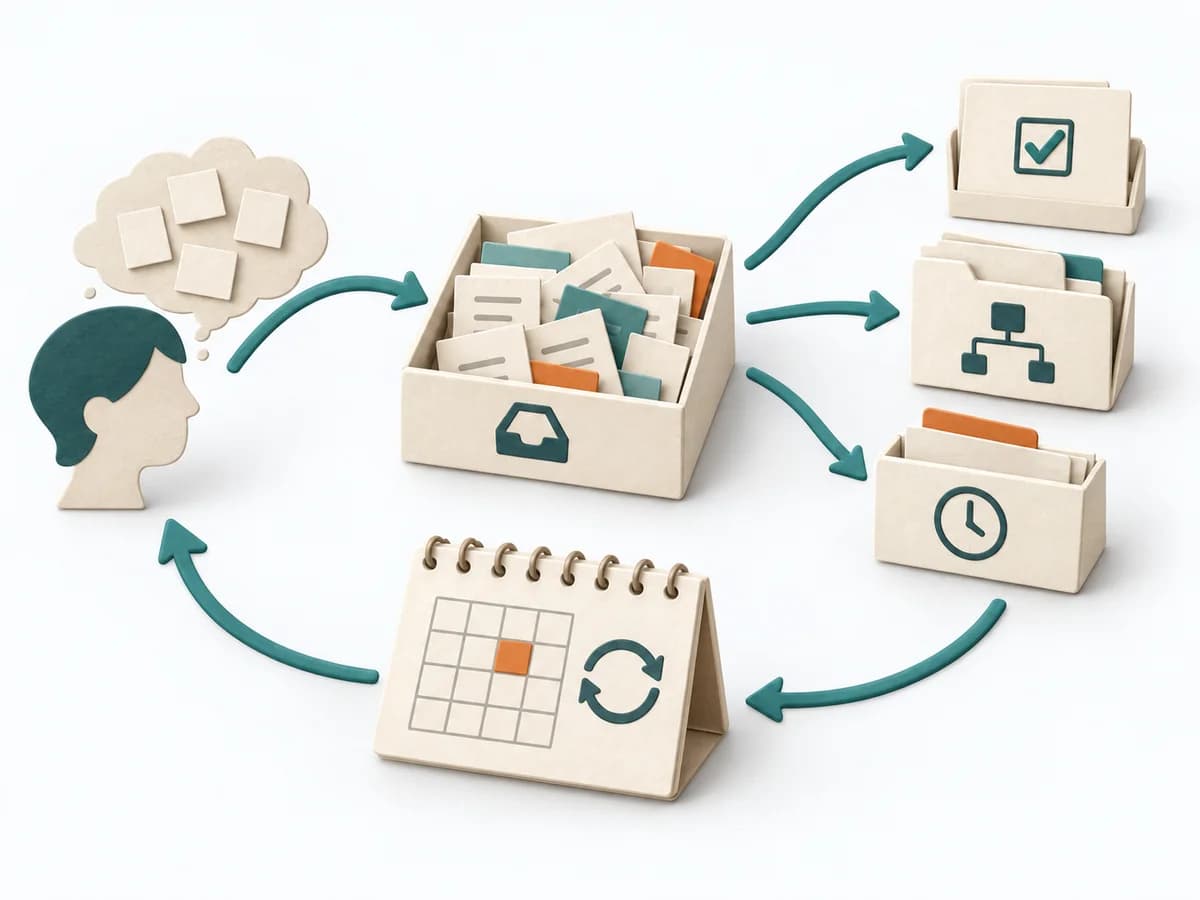 Operations Getting Things Done | 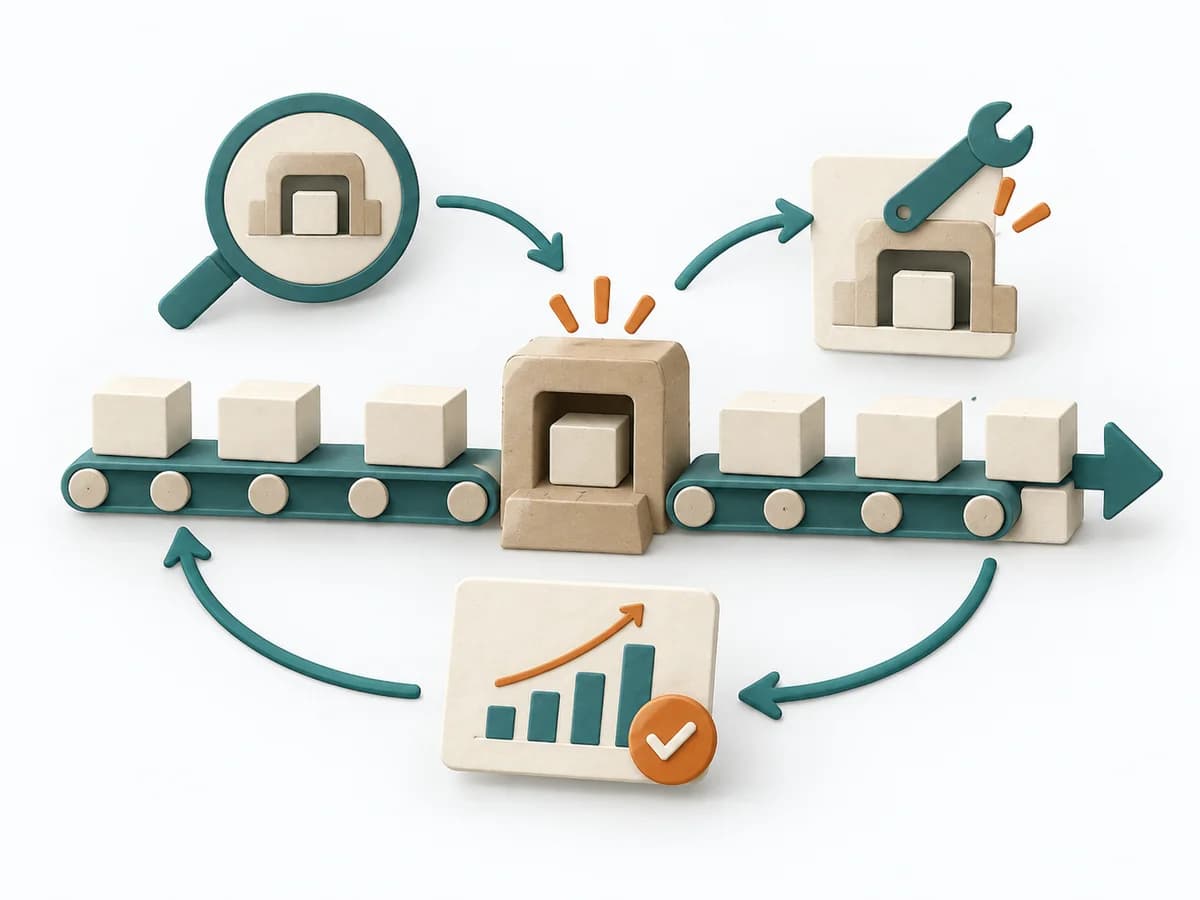 Operations Theory of Constraints |
|---|---|---|---|---|
Purposedifferent | When an initiative stalls, the limit often lies not in the idea but in hard or soft boundary conditions. Constraint Analysis separates these limits and shows which of them can actually be shaped. | After missions or project phases with unclear outcomes, the method makes visible what actually happened and what can be learned from it. It separates course, effect, and causes so experience turns into solid improvement. | With many open commitments and ideas in daily life, a reliable external storage system emerges. The method relieves the mind so priority and context don't have to compete in memory. | For a system that does not get faster despite effort, the method directs attention to the bottleneck. It concentrates improvement on the point that actually limits throughput. |
Complexitydifferent | Low | Low | Medium | High |
Timedifferent | 30-90 min | 20-45 min | 1-2 h Setup, laufend | 2-4 h Analyse, laufend |
Participantsdifferent | 2-8 | 3-12 | 1 | 3-12 |
Formatdifferent | Workshop + async | Workshop + async | Async | Workshop + async |
Outputdifferent | Constraint List, Hard/Soft Classification, Option Impact Notes, Decision Boundaries | Lessons learned, Action items, Event summary | Action Lists, Project List, Review Routine | Constraint Map, Improvement Plan, Flow Metrics |
Tagsno overlap | ConstraintsDecisionPlanningOptions | LearningOperationsImprovement | ProductivityPlanningTasksExecution | OperationsConstraintsFlowImprovement |