View methods side by side.
Choose up to four methods. Add them using the search and share the comparison by copying its link.
| Criterion | 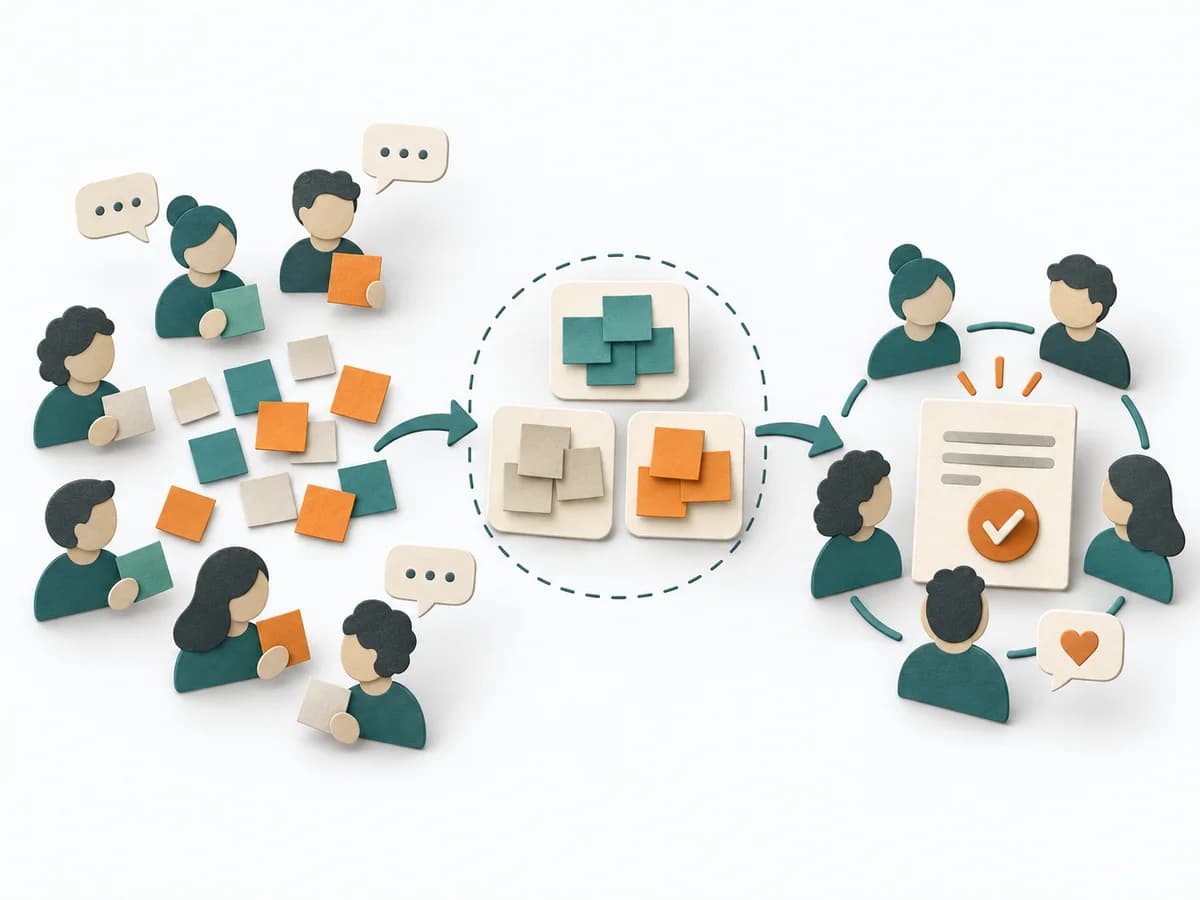 Facilitation Consensus Workshop | 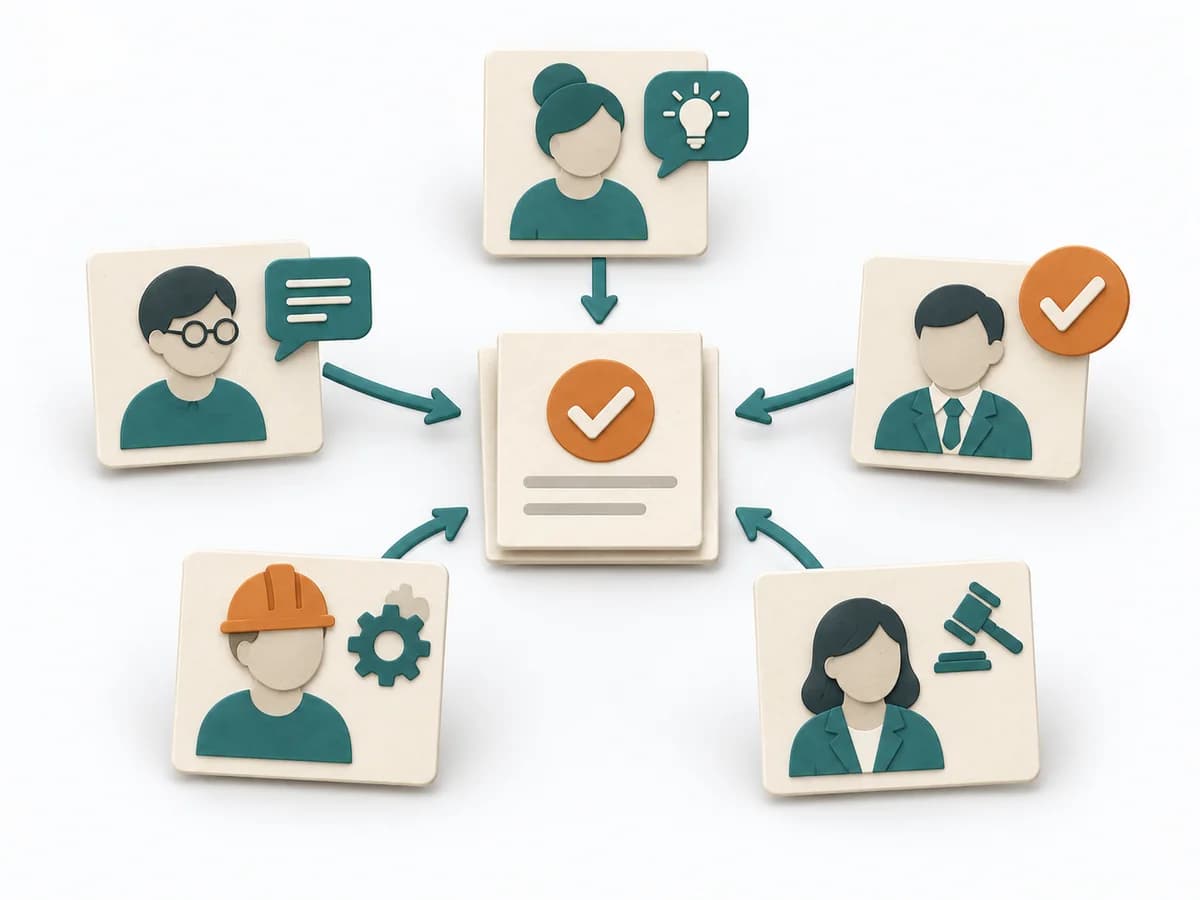 Decision Making RAPID | 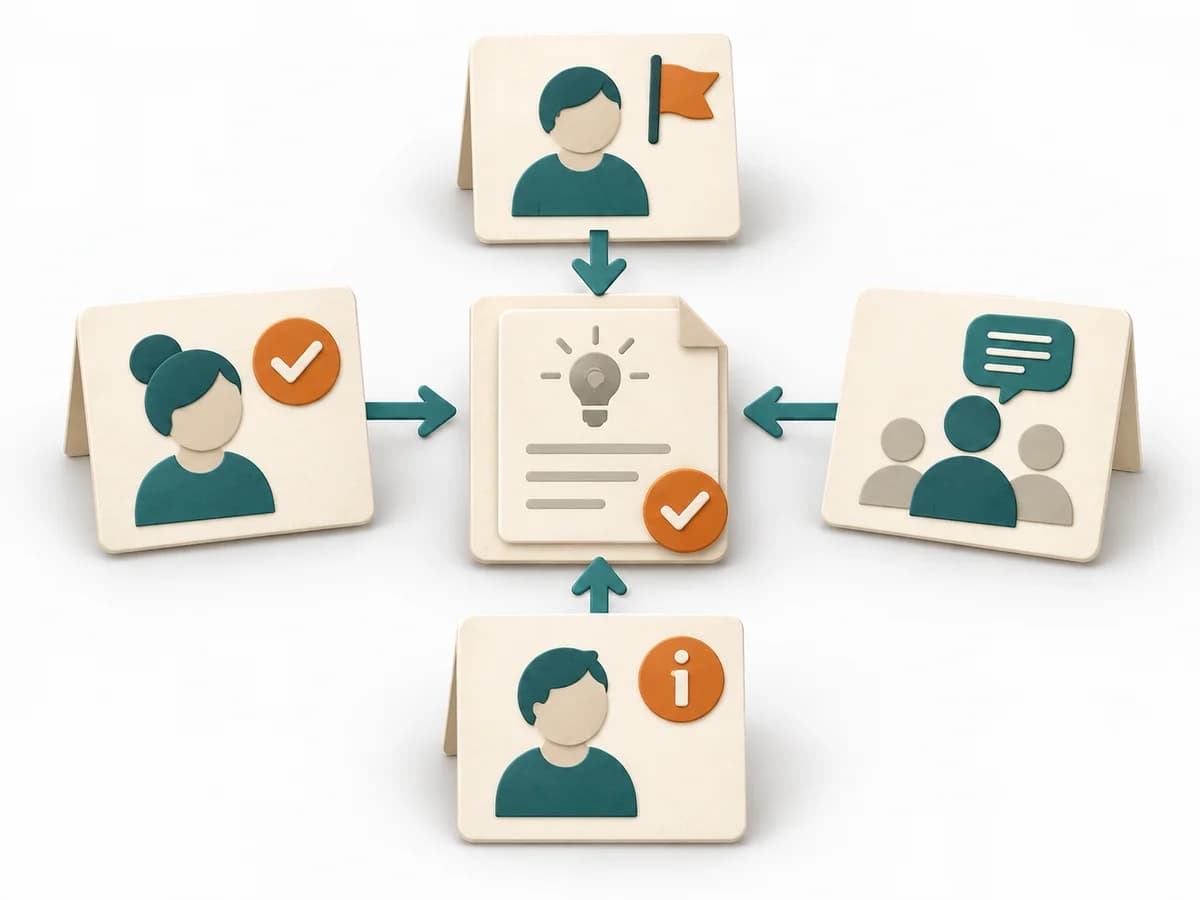 Decision Making DACI |  Facilitation Stakeholder Salience Model |
|---|---|---|---|---|
Purposedifferent | When a group needs a solid decision without outvoting individual factions, a Consensus Workshop creates a negotiable common ground. It makes agreement, reservations, and open tensions discussable at the same time. | In complex management decisions, clarity is often missing about who recommends, who agrees, and who makes the decision. RAPID creates this assignment and stabilizes decisions across several levels. | In cross-functional decisions, responsibilities quickly blur between approval, influence, and execution. DACI arranges these roles so decision pressure, contribution, and information stay cleanly separated. | When stakeholders appear to matter very differently, the Stakeholder Salience Model rates their actual priority through power, legitimacy, and urgency. It turns individual contributions into a visible selection. The result is captured as a Salience diagram and a class-based strategy. |
Complexitydifferent | Medium | Medium | Low | Medium |
Timedifferent | 1-3 h | 45-90 min | 30-60 min | 60-90 min |
Participantsdifferent | 5-30 | 3-12 | 2-10 | 3-6 |
Formatdifferent | Workshop | Workshop + async | Workshop + async | Workshop |
Outputdifferent | Consensus Clusters, Theme Titles, Priority Areas | RAPID Role Map, Recommendation, Decision Log | DACI Matrix, Decision Owner, Decision Log | Salience Diagram, Strategy per Class |
Tagsno overlap | FacilitationConsensusWorkshopAlignment | DecisionRolesGovernance | DecisionRolesGovernanceAlignment | StakeholdersFacilitationAlignmentGovernance |