View methods side by side.
Choose up to four methods. Add them using the search and share the comparison by copying its link.
| Criterion |  Knowledge Modeling Concept Mapping | 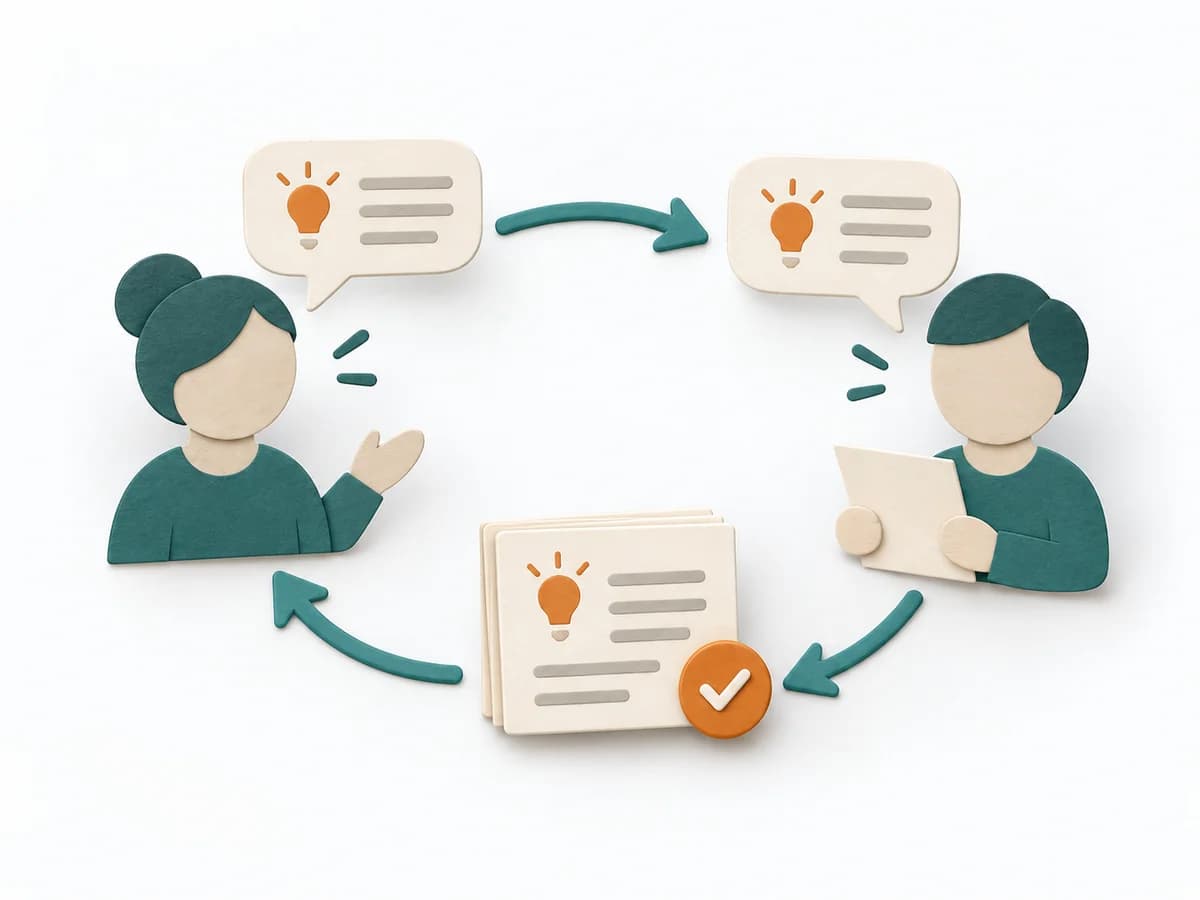 Knowledge Modeling Teach-back | 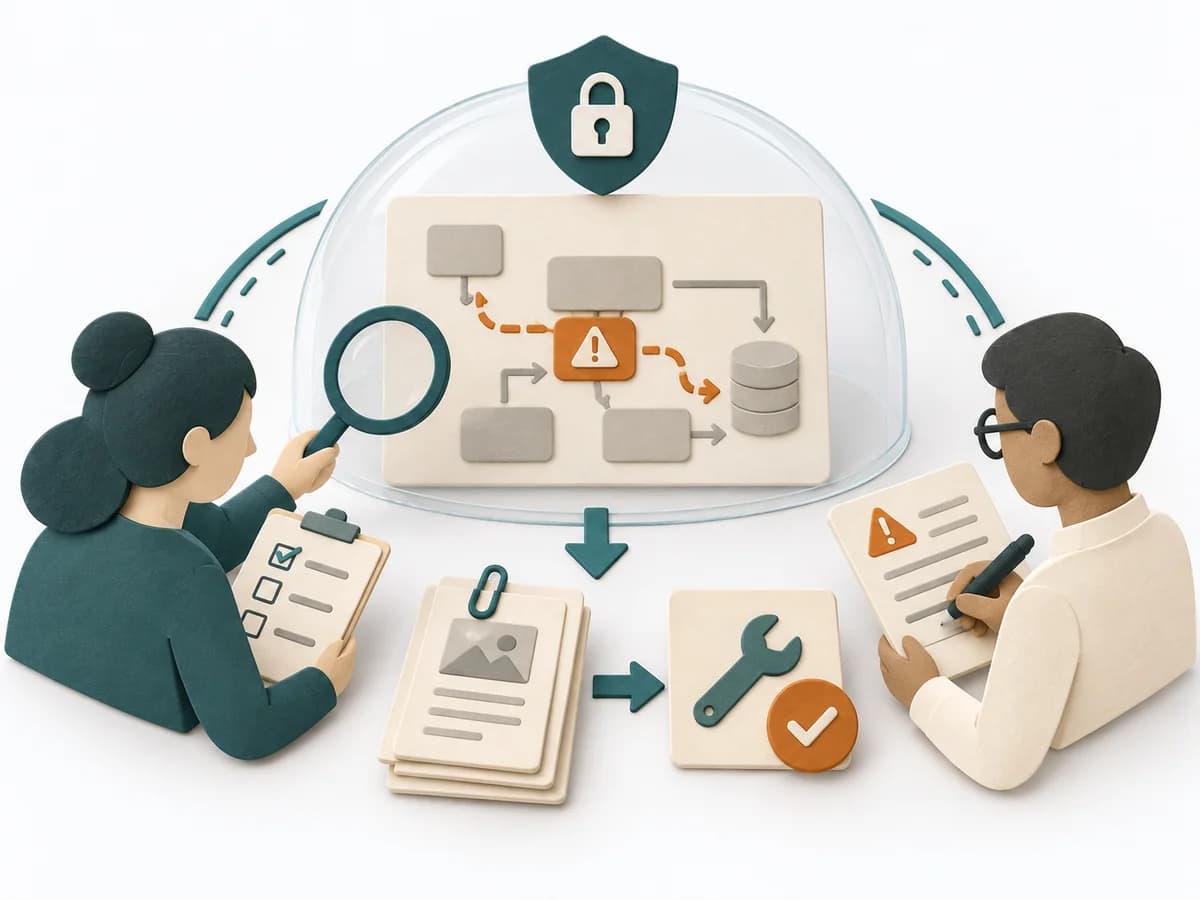 Decision Making Red Teaming | 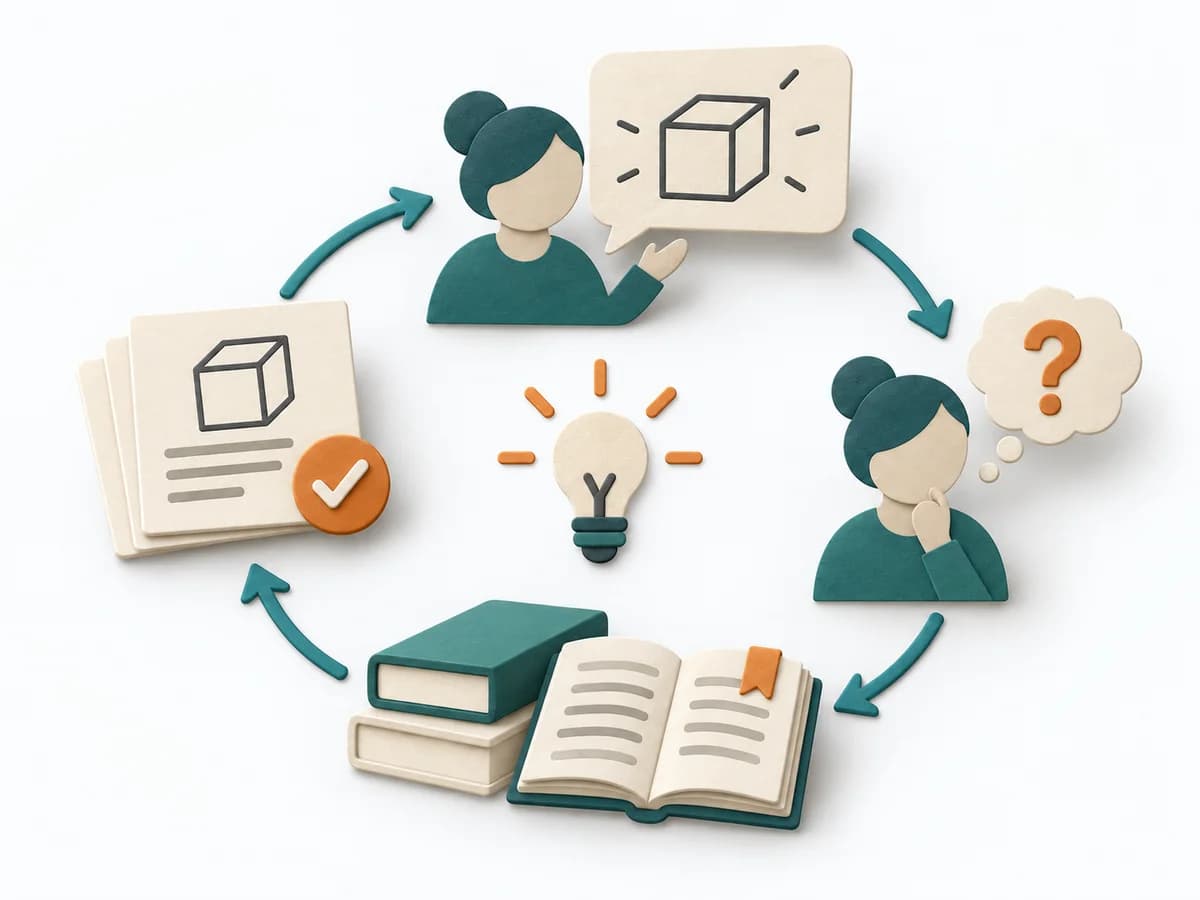 Knowledge Modeling Feynman Technique |
|---|---|---|---|---|
Purposedifferent | Concept Mapping arranges terms and relationships in a network that makes subject-matter connections tangible. It fits when a topic needs to be understood structurally rather than linearly. | Teach-back checks whether an explanation actually got through to the other person. The method makes misunderstandings visible early and strengthens shared understanding in advisory and learning situations. | For strategic decisions with high reach, agreement and gut feeling are often not enough. Red teaming brings deliberate opposition into the situation and tests where a plan breaks under real counterarguments. | The Feynman Technique checks understanding by explaining a topic so that it stays easy for others to understand. It makes knowledge gaps visible before they become costly in everyday work. |
Complexitydifferent | Medium | Low | High | Low |
Timedifferent | 1-2 h | 5-20 min | 1-4 h | 20-60 min |
Participantsdifferent | 1-8 | 2-8 | 3-8 | 1 |
Formatdifferent | Workshop + async | Workshop + async | Workshop | Async |
Outputdifferent | Concept Map, Relationship Labels, Knowledge Gaps | Understanding Check, Clarification Notes, Learning Gaps | Challenge Findings, Risk Register, Mitigation Plan | Plain-language Explanation, Knowledge Gaps, Study Notes |
Tagsno overlap | KnowledgeConceptsMappingSensemaking | LearningUnderstandingCommunication | RiskDecisionSensemaking | LearningKnowledgeUnderstanding |