View methods side by side.
Choose up to four methods. Add them using the search and share the comparison by copying its link.
| Criterion |  Knowledge Modeling Concept Mapping | 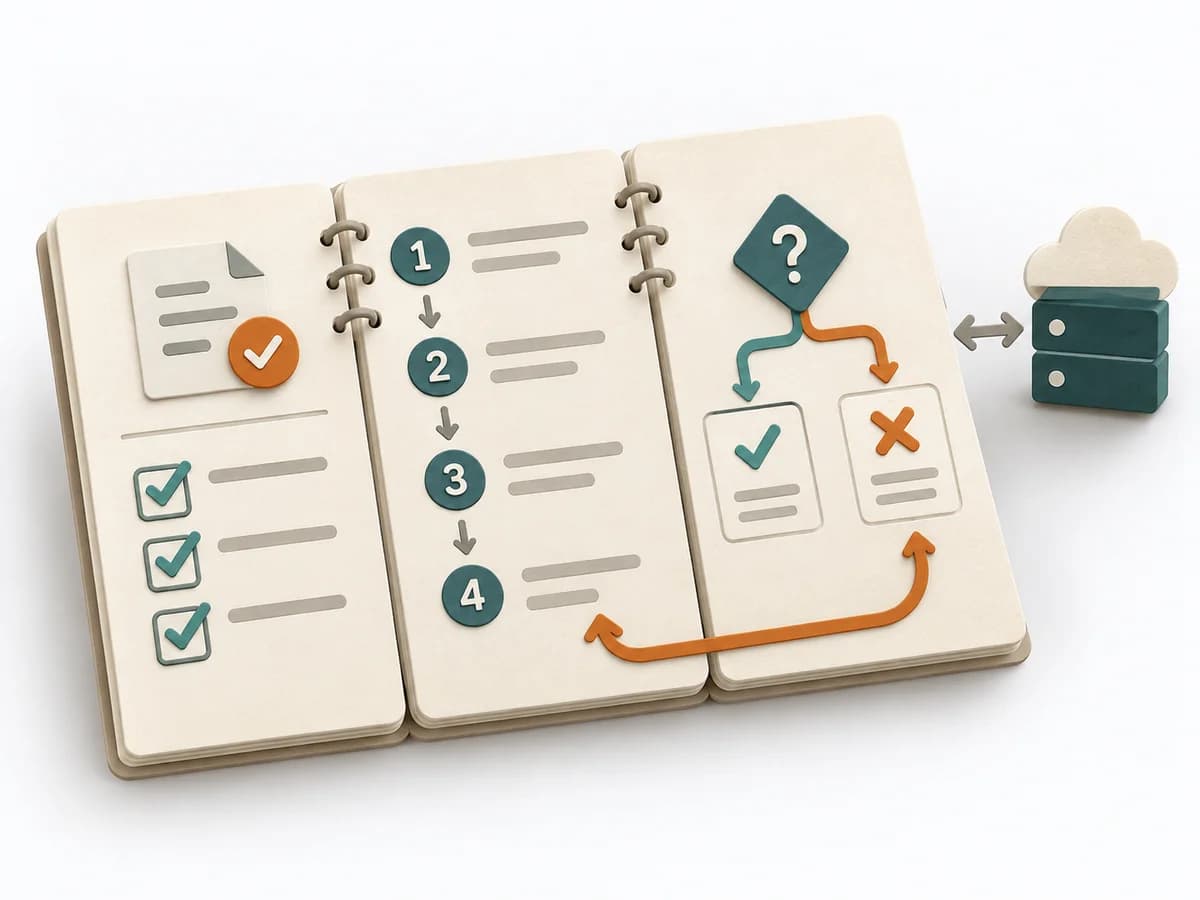 Operations Runbook | 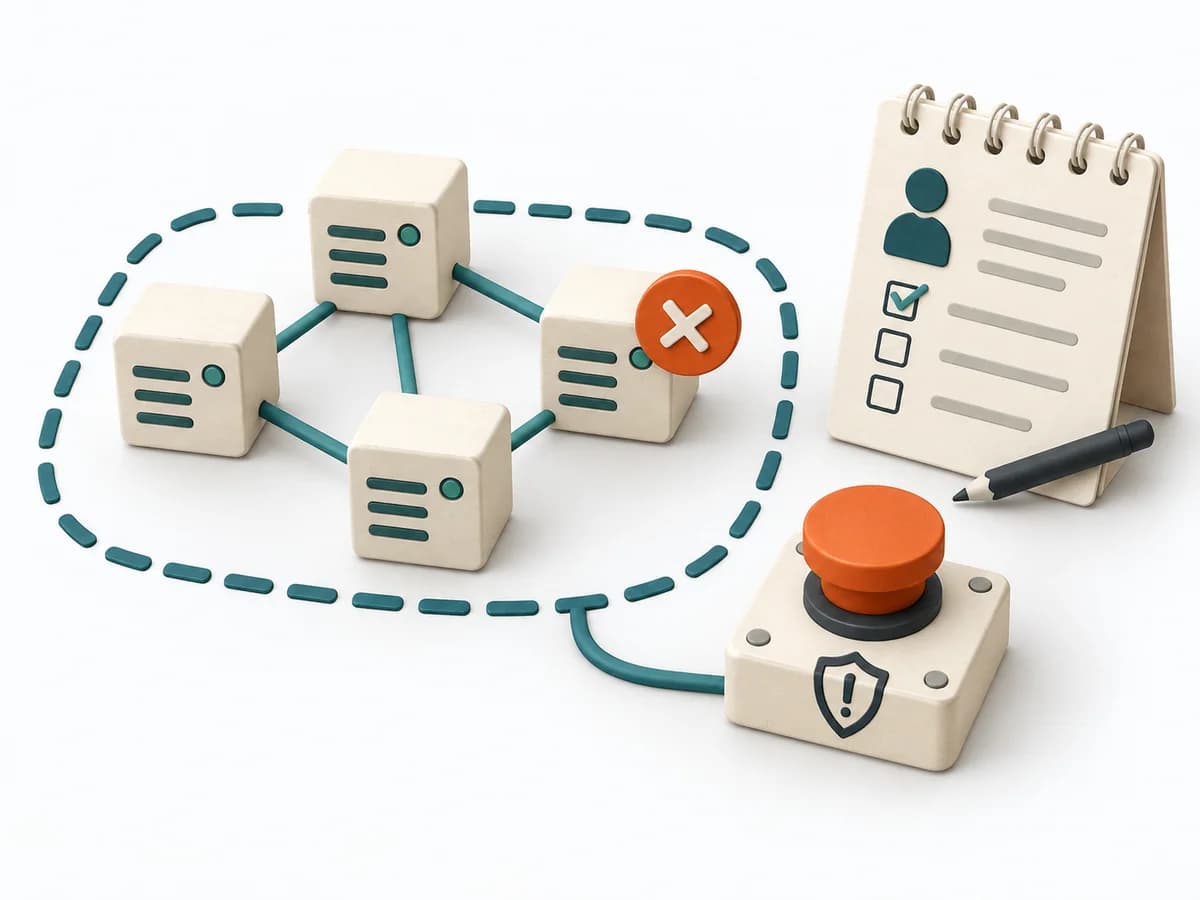 DevOps Game Day |  Knowledge Modeling Knowledge Mapping |
|---|---|---|---|---|
Purposedifferent | Concept Mapping arranges terms and relationships in a network that makes subject-matter connections tangible. It fits when a topic needs to be understood structurally rather than linearly. | For recurring operational tasks or incidents, the method keeps solid action logic ready. It reduces uncertainty when time pressure, role changes, or rare situations demand fast access. | In preparing for rare incidents, the method tests response capability under controlled conditions. It shows where assumptions about stability, roles, and recovery are too optimistic. | Knowledge Mapping makes knowledge, gaps, and transfer paths visible across a field. It fits when expertise should not just exist but also be findable and transferable. |
Complexitydifferent | Medium | Low | High | Medium |
Timedifferent | 1-2 h | 20-60 min | Halber Tag | 1-3 h |
Participantsdifferent | 1-8 | 1-4 | 5-20 | 3-12 |
Formatdifferent | Workshop + async | Async | Workshop | Workshop |
Outputdifferent | Concept Map, Relationship Labels, Knowledge Gaps | Runbook, Checklist, Escalation Path | Simulation Notes, Gaps List, Updated Runbooks | Knowledge Map, Critical Knowledge Areas, Transfer Plan |
Tagsno overlap | KnowledgeConceptsMappingSensemaking | OperationsReliabilityDocumentation | ResilienceOperationsIncident | KnowledgeMappingRisk |