View methods side by side.
Choose up to four methods. Add them using the search and share the comparison by copying its link.
| Criterion |  Knowledge Modeling Concept Mapping |  Knowledge Modeling Knowledge Mapping | 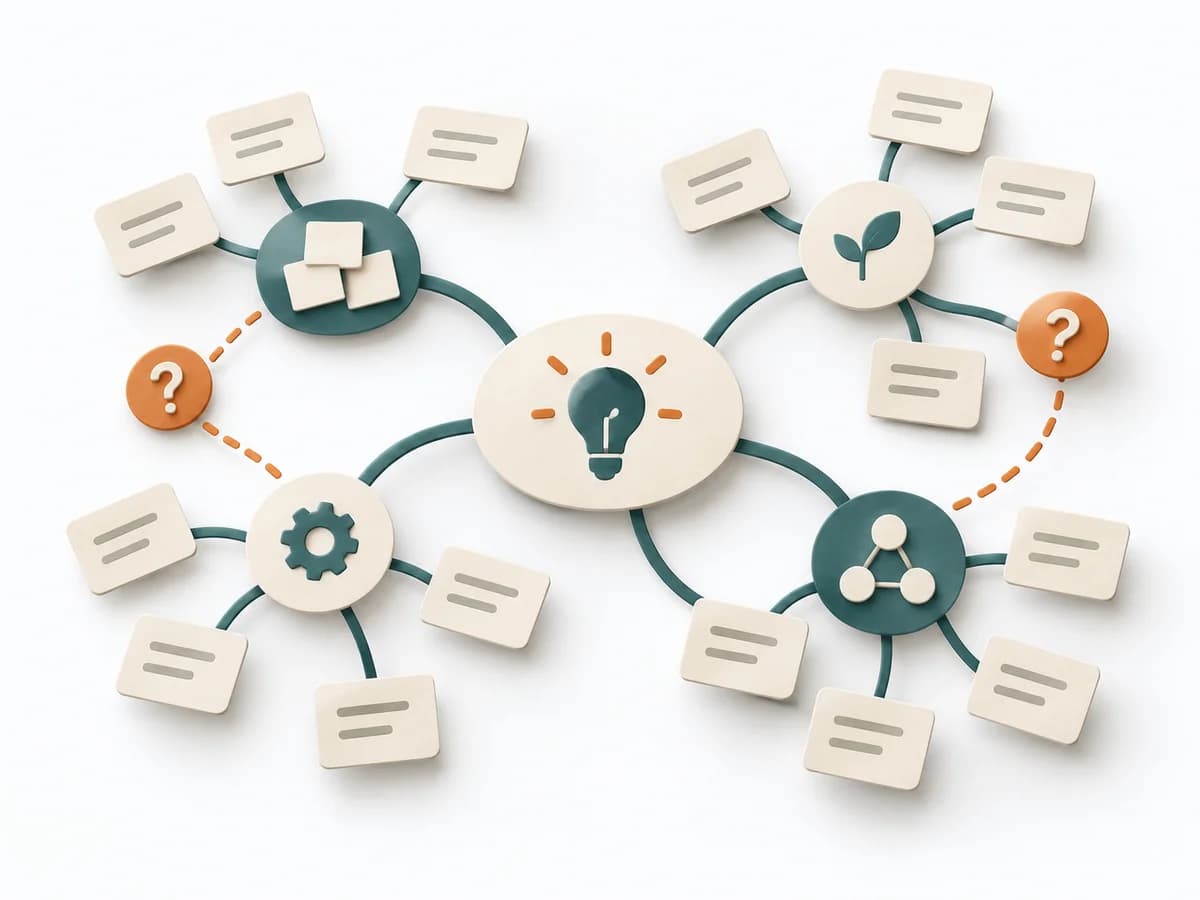 Facilitation Mind Mapping | 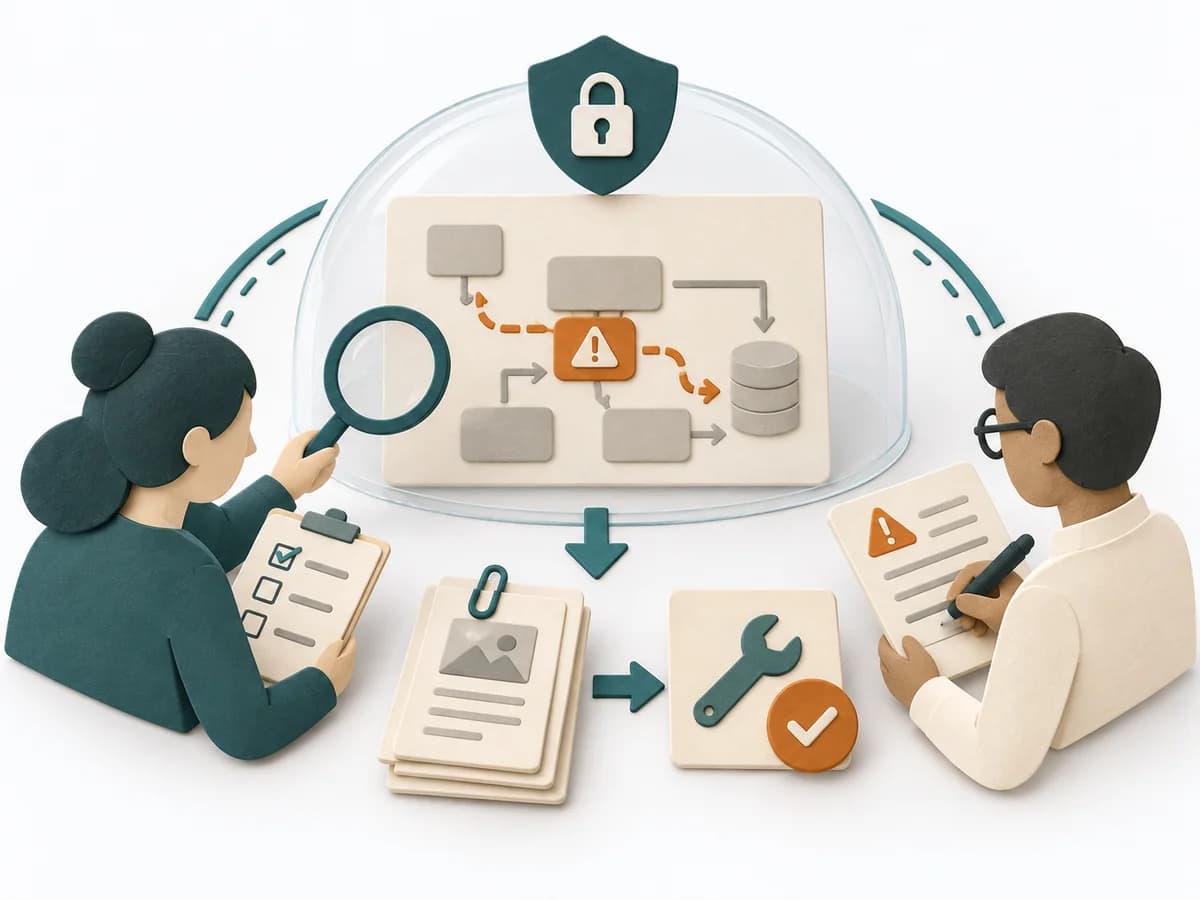 Decision Making Red Teaming |
|---|---|---|---|---|
Purposedifferent | Concept Mapping arranges terms and relationships in a network that makes subject-matter connections tangible. It fits when a topic needs to be understood structurally rather than linearly. | Knowledge Mapping makes knowledge, gaps, and transfer paths visible across a field. It fits when expertise should not just exist but also be findable and transferable. | When a topic is still unclear and too many thoughts surface at once, Mind Mapping creates an open surface for ordering them. It makes connections, subtopics, and starting points visible without fixing them too early. | For strategic decisions with high reach, agreement and gut feeling are often not enough. Red teaming brings deliberate opposition into the situation and tests where a plan breaks under real counterarguments. |
Complexitydifferent | Medium | Medium | Low | High |
Timedifferent | 1-2 h | 1-3 h | 15-45 min | 1-4 h |
Participantsdifferent | 1-8 | 3-12 | 1-10 | 3-8 |
Formatdifferent | Workshop + async | Workshop | Workshop + async | Workshop |
Outputdifferent | Concept Map, Relationship Labels, Knowledge Gaps | Knowledge Map, Critical Knowledge Areas, Transfer Plan | Mind Map, Topic Clusters, Open Questions | Challenge Findings, Risk Register, Mitigation Plan |
Tagsno overlap | KnowledgeConceptsMappingSensemaking | KnowledgeMappingRisk | BrainstormingIdeasMappingStructureFacilitation | RiskDecisionSensemaking |