View methods side by side.
Choose up to four methods. Add them using the search and share the comparison by copying its link.
| Criterion |  Knowledge Modeling Concept Mapping | 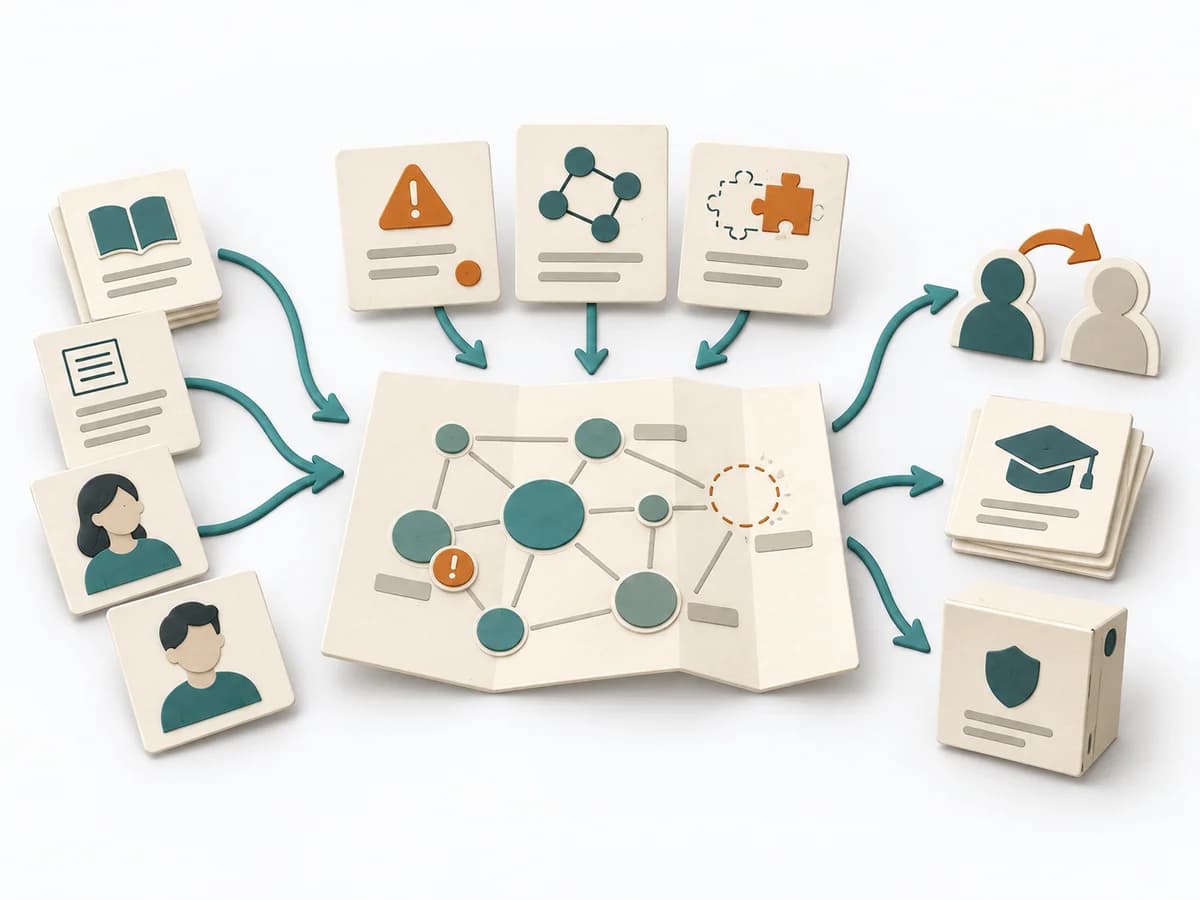 Knowledge Modeling Knowledge Mapping | 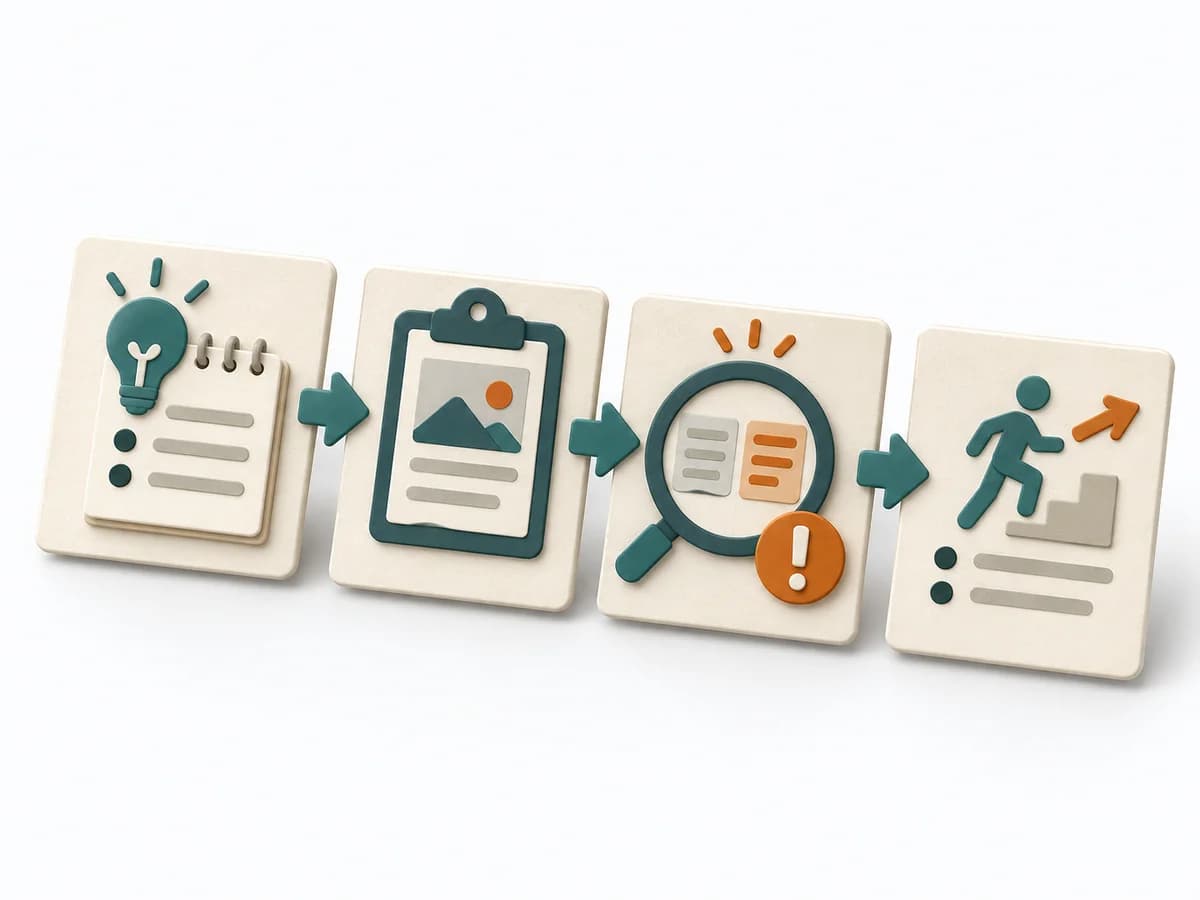 Operations After-Action Review |  Operations Learning Review |
|---|---|---|---|---|
Purposedifferent | Concept Mapping arranges terms and relationships in a network that makes subject-matter connections tangible. It fits when a topic needs to be understood structurally rather than linearly. | Knowledge Mapping makes knowledge, gaps, and transfer paths visible across a field. It fits when expertise should not just exist but also be findable and transferable. | After missions or project phases with unclear outcomes, the method makes visible what actually happened and what can be learned from it. It separates course, effect, and causes so experience turns into solid improvement. | After a project phase with mixed results, the method makes learning from the individual case reusable. It connects events, decisions, and systemic conditions into robust insights. |
Complexitydifferent | Medium | Medium | Low | Medium |
Timedifferent | 1-2 h | 1-3 h | 20-45 min | 1-3 h |
Participantsdifferent | 1-8 | 3-12 | 3-12 | 3-10 |
Formatdifferent | Workshop + async | Workshop | Workshop + async | Workshop |
Outputdifferent | Concept Map, Relationship Labels, Knowledge Gaps | Knowledge Map, Critical Knowledge Areas, Transfer Plan | Lessons learned, Action items, Event summary | Learning Review Notes, System Factors, Improvement Actions |
Tagsno overlap | KnowledgeConceptsMappingSensemaking | KnowledgeMappingRisk | LearningOperationsImprovement | LearningRetrospectiveIncidentOperations |