View methods side by side.
Choose up to four methods. Add them using the search and share the comparison by copying its link.
| Criterion | 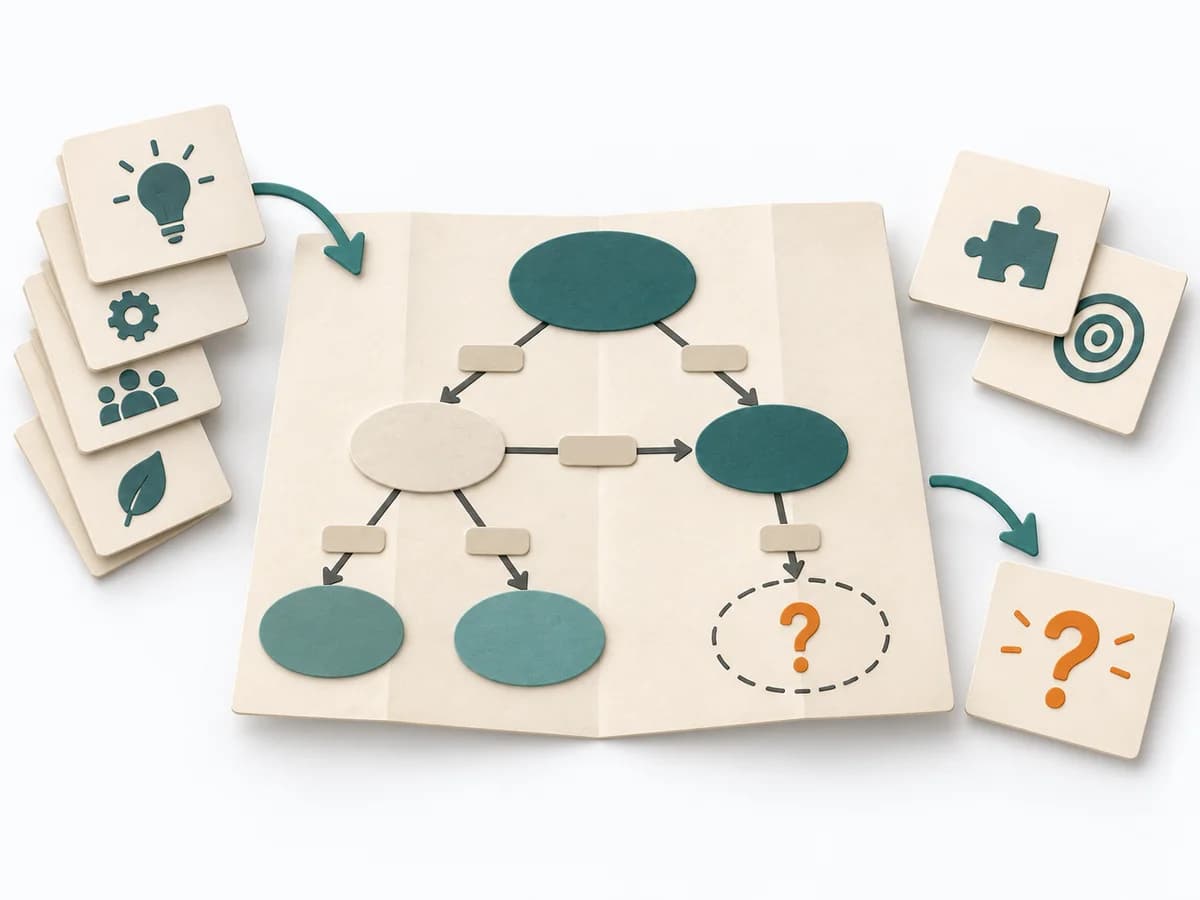 Knowledge Modeling Concept Mapping | 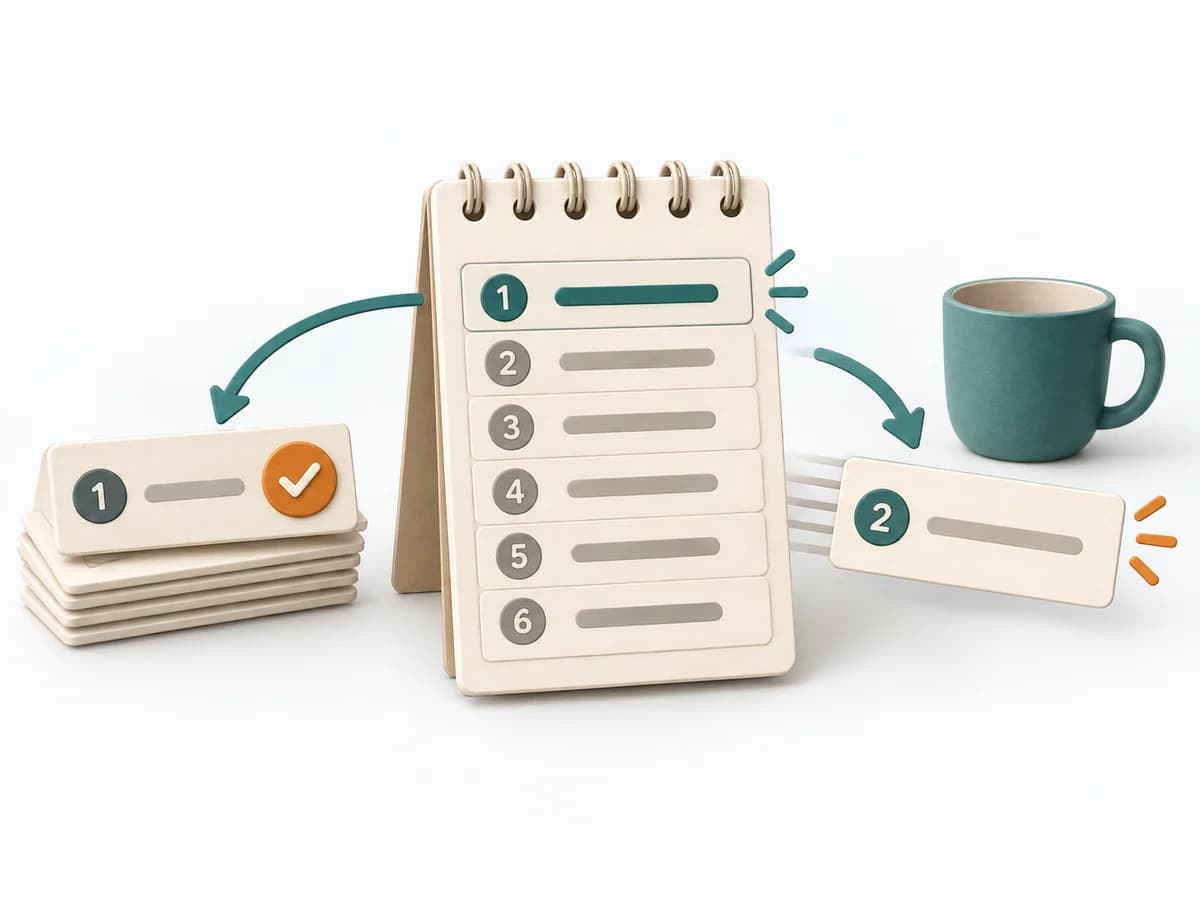 Operations Ivy Lee Method | 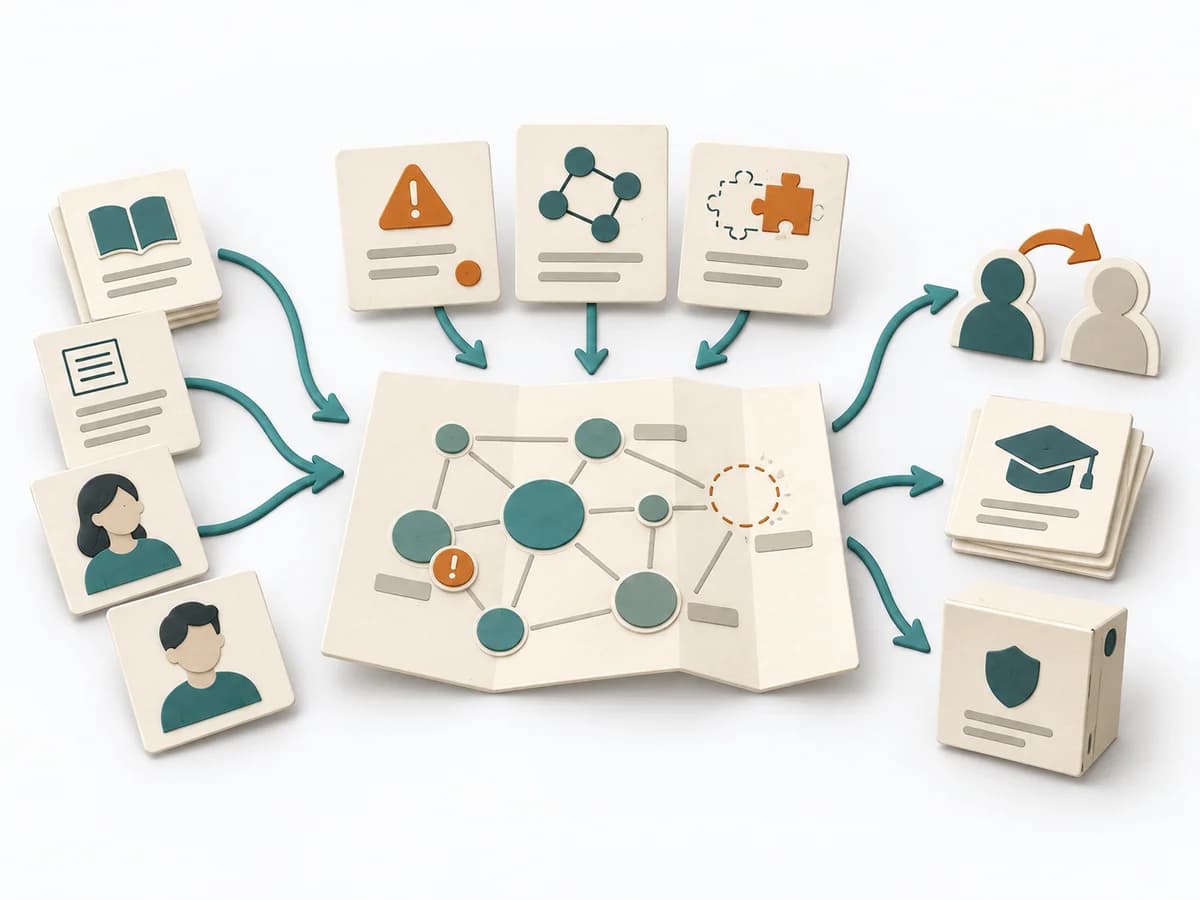 Knowledge Modeling Knowledge Mapping | 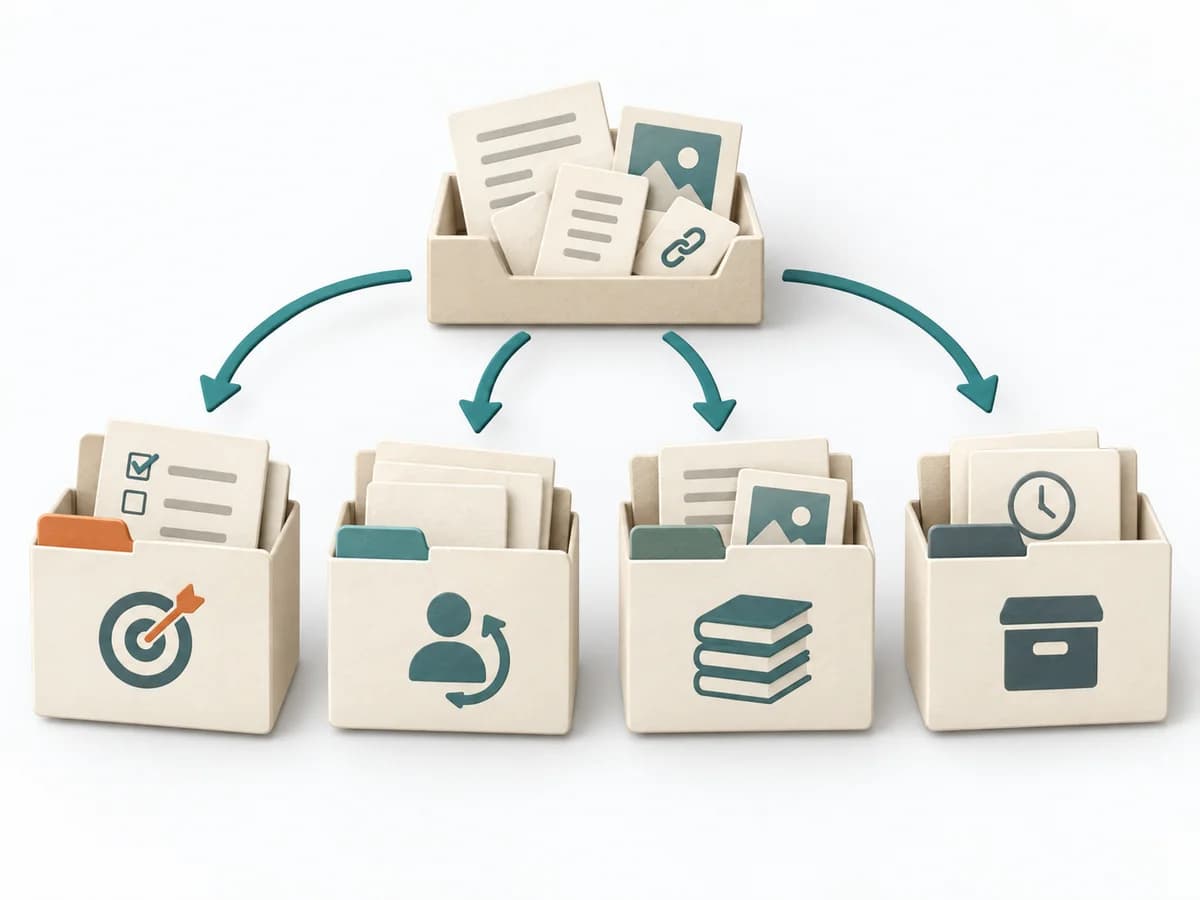 Knowledge Modeling PARA Method |
|---|---|---|---|---|
Purposedifferent | Concept Mapping arranges terms and relationships in a network that makes subject-matter connections tangible. It fits when a topic needs to be understood structurally rather than linearly. | With a restless workday full of too many open items, the method creates radical simplicity. It directs attention to a short sequence instead of a broad, still-open field. | Knowledge Mapping makes knowledge, gaps, and transfer paths visible across a field. It fits when expertise should not just exist but also be findable and transferable. | The PARA Method organizes knowledge into Projects, Areas, Resources, and Archives. It creates order when digital notes, files, and tasks no longer cleanly fit current work. |
Complexitydifferent | Medium | Low | Medium | Medium |
Timedifferent | 1-2 h | 5-10 min daily | 1-3 h | 1-3 h Setup, laufend |
Participantsdifferent | 1-8 | 1 | 3-12 | 1 |
Formatdifferent | Workshop + async | Async | Workshop | Async |
Outputdifferent | Concept Map, Relationship Labels, Knowledge Gaps | Daily Priority List, Completion Notes | Knowledge Map, Critical Knowledge Areas, Transfer Plan | PARA Structure, Project Notes, Knowledge Archive |
Tagsno overlap | KnowledgeConceptsMappingSensemaking | PrioritizationProductivityExecution | KnowledgeMappingRisk | KnowledgeProductivityOrganization |