View methods side by side.
Choose up to four methods. Add them using the search and share the comparison by copying its link.
| Criterion | 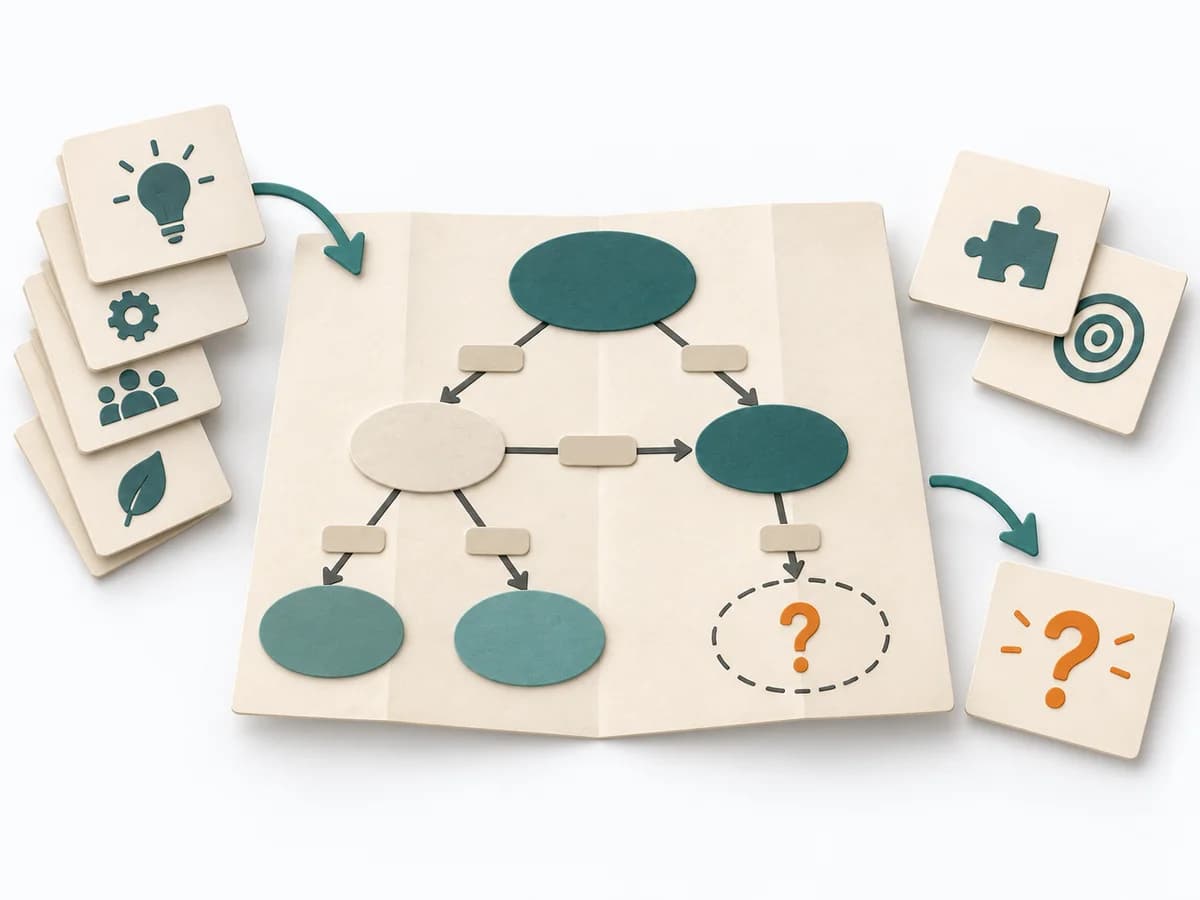 Knowledge Modeling Concept Mapping | 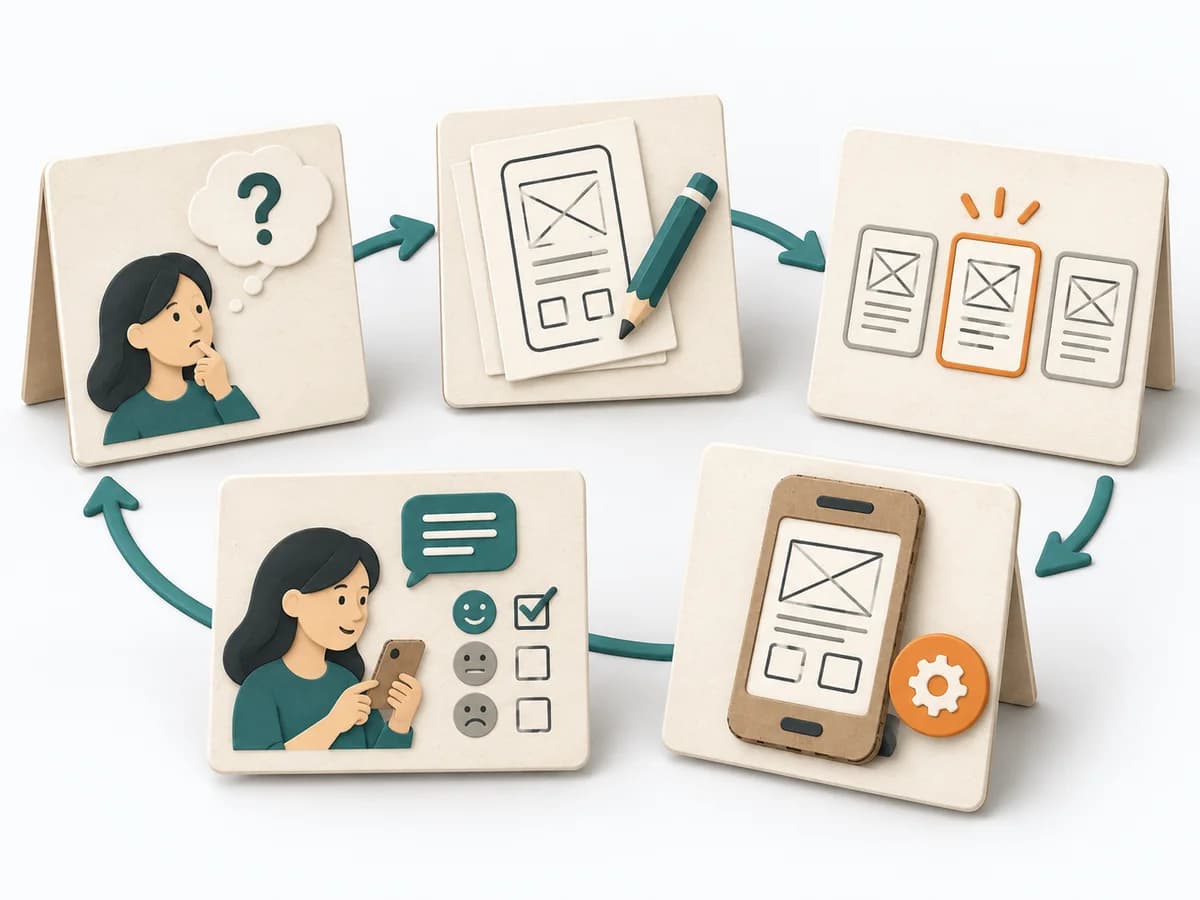 Innovation Design Sprint | 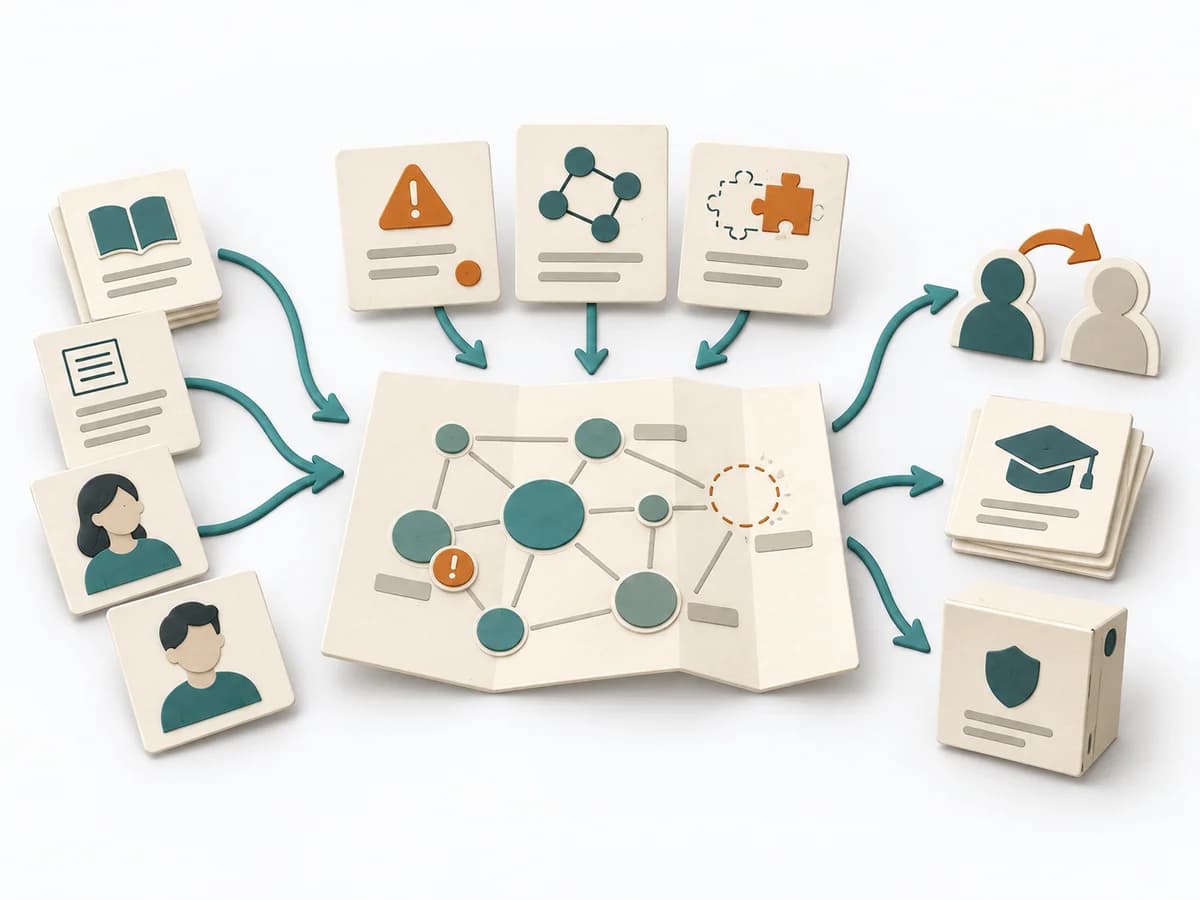 Knowledge Modeling Knowledge Mapping | 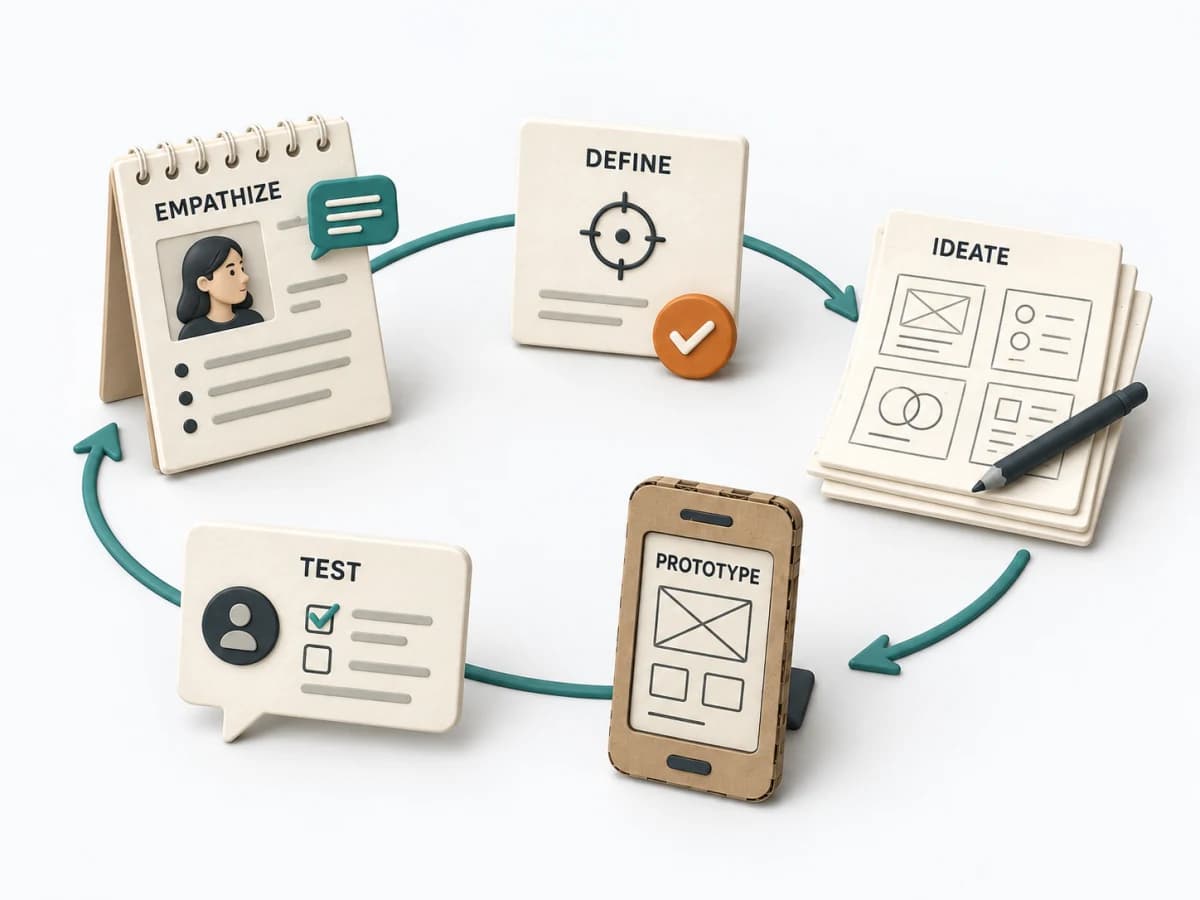 Innovation Design Thinking |
|---|---|---|---|---|
Purposedifferent | Concept Mapping arranges terms and relationships in a network that makes subject-matter connections tangible. It fits when a topic needs to be understood structurally rather than linearly. | When the product question is unclear and time pressure is high, the method takes a team from an open idea to a testable solution. It connects problem understanding, decision, and learning in one compact format, lowering the risk of spending a lot of energy on a mere guess. | Knowledge Mapping makes knowledge, gaps, and transfer paths visible across a field. It fits when expertise should not just exist but also be findable and transferable. | For complex user problems with an uncertain cause, the method connects observation, interpretation, and experiment into a learning cycle. It keeps the focus on real needs and avoids premature solution language. This produces robust decisions for product and service. |
Complexitydifferent | Medium | High | Medium | High |
Timedifferent | 1-2 h | 4-5 Tage | 1-3 h | 1 Tag bis mehrere Wochen |
Participantsdifferent | 1-8 | 5-8 | 3-12 | 4-10 |
Formatdifferent | Workshop + async | Workshop | Workshop | Workshop |
Outputdifferent | Concept Map, Relationship Labels, Knowledge Gaps | Prototype, Test Findings, Decision Rationale | Knowledge Map, Critical Knowledge Areas, Transfer Plan | Problem Statement, Prototype, Test Learnings |
Tagsno overlap | KnowledgeConceptsMappingSensemaking | Design sprintPrototypeValidationInnovation | KnowledgeMappingRisk | InnovationPrototypeResearch |