View methods side by side.
Choose up to four methods. Add them using the search and share the comparison by copying its link.
| Criterion |  Knowledge Modeling Concept Mapping | 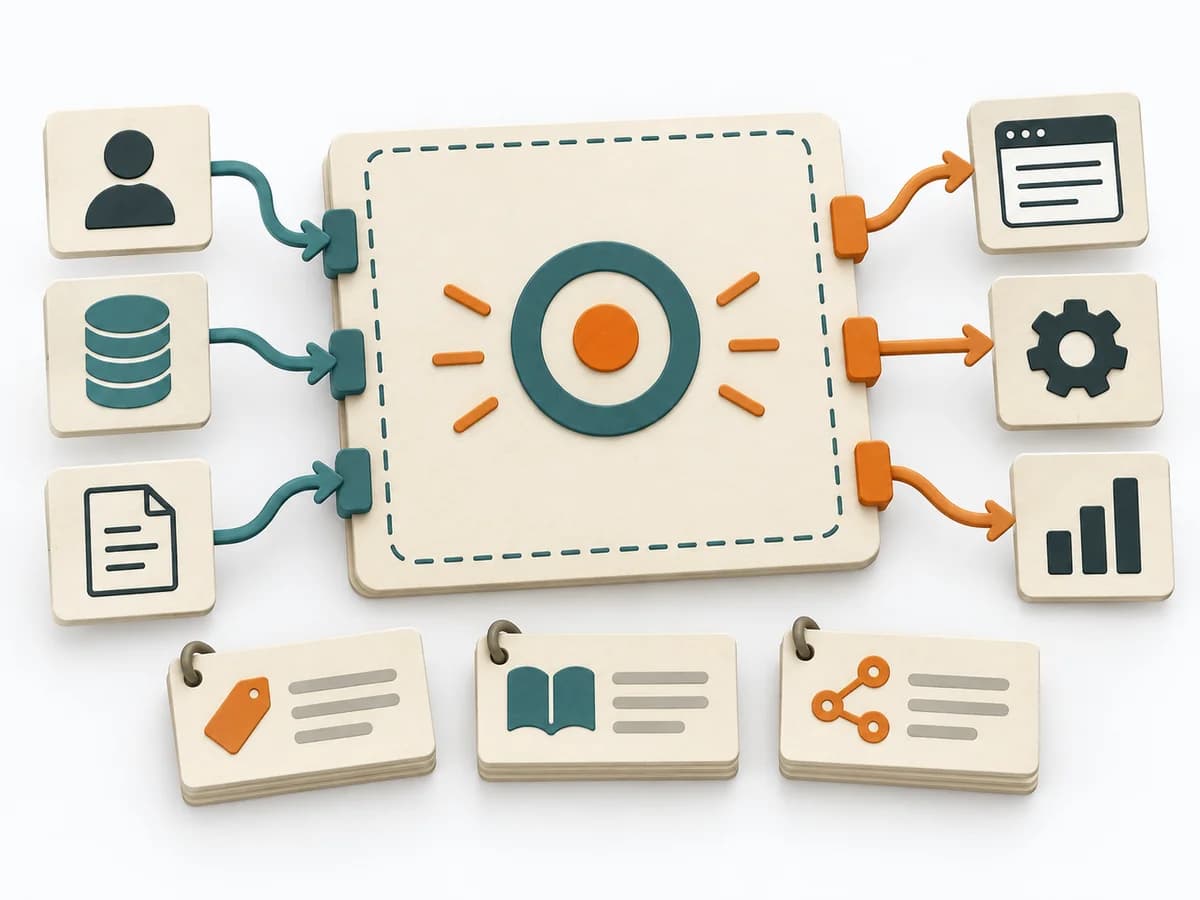 Domain Modeling Bounded Context Canvas |  Facilitation Stakeholder Mapping | 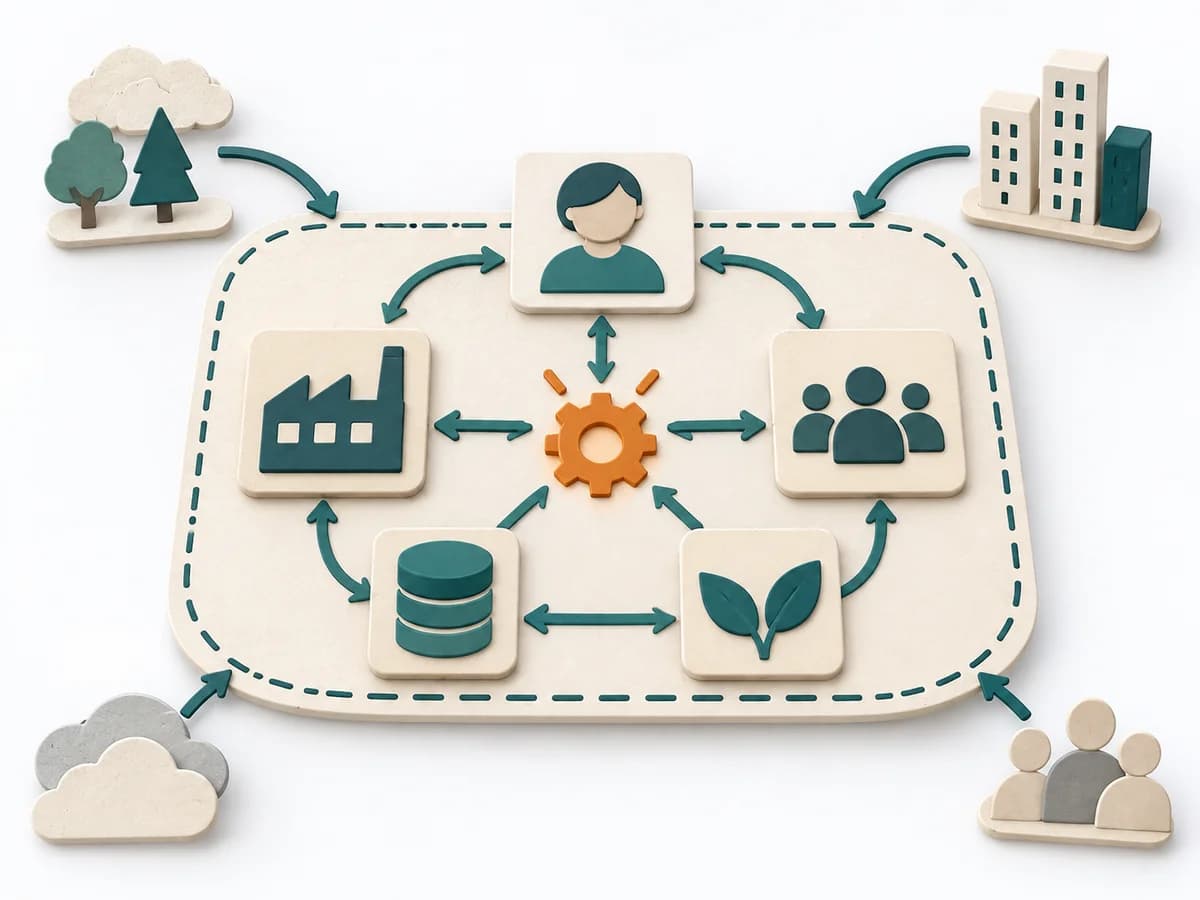 Systems Thinking Systems Mapping |
|---|---|---|---|---|
Purposedifferent | Concept Mapping arranges terms and relationships in a network that makes subject-matter connections tangible. It fits when a topic needs to be understood structurally rather than linearly. | When a business context is still loosely outlined, it shapes language, responsibility, and integration space. It clarifies what belongs together and where a boundary needs to hold. | When an initiative depends on many people, interests, and power dynamics, Stakeholder Mapping systematically orders the environment. It shows who influences, who is affected, and where relationship management or safeguarding matters first. | Systems Mapping arranges elements, relationships, and boundaries so a complex field becomes legible at a glance. The overview stabilizes the overall picture before detail work or steering begins. |
Complexitydifferent | Medium | Medium | Low | Medium |
Timedifferent | 1-2 h | 1-3 h | 60–90 min | 1-3 h |
Participantsdifferent | 1-8 | 3-8 | 2-8 | 3-12 |
Formatsame | Workshop + async | Workshop + async | Workshop + async | Workshop + async |
Outputdifferent | Concept Map, Relationship Labels, Knowledge Gaps | Context Canvas, Glossary, Integration Notes | Stakeholder Map, Engagement Plan, Risk Notes | System Map, Dependencies, Leverage Points |
Tagsno overlap | KnowledgeConceptsMappingSensemaking | Domain-Driven DesignBoundariesModeling | StakeholdersAlignmentFacilitationChange | Systems thinkingMappingBoundariesChange |