View methods side by side.
Choose up to four methods. Add them using the search and share the comparison by copying its link.
| Criterion |  Knowledge Modeling Concept Mapping | 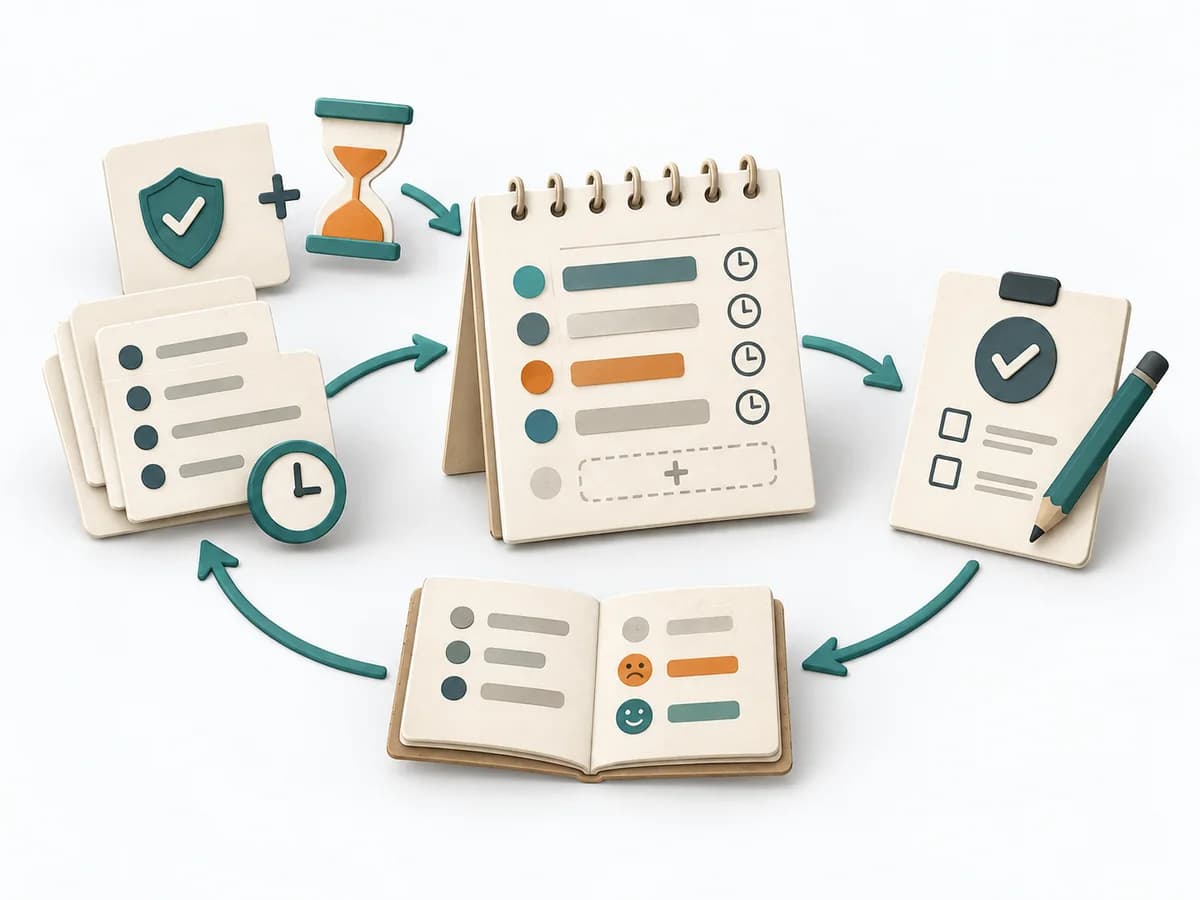 Operations ALPEN Method |  Operations Barrier Analysis | 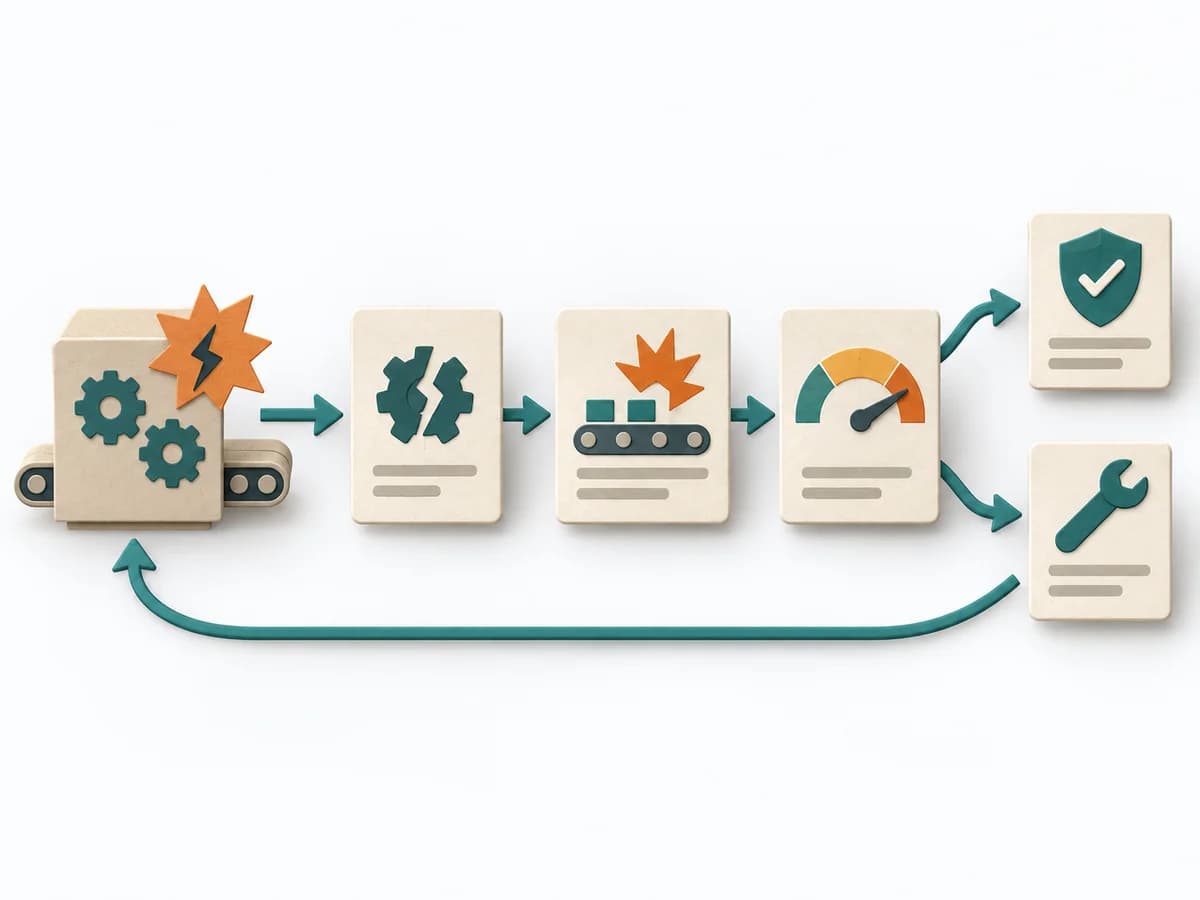 Operations Failure Mode and Effects Analysis |
|---|---|---|---|---|
Purposedifferent | Concept Mapping arranges terms and relationships in a network that makes subject-matter connections tangible. It fits when a topic needs to be understood structurally rather than linearly. | With an overloaded day full of too many tasks, a realistic picture of the day emerges. The method connects estimating, deciding, and buffer thinking so planning fits available energy and time. | For a risk that can only be managed through multiple layers of protection, the method examines the effectiveness of each barrier. It shows where safeguards are missing, too weak, or fail under real conditions. | For a process, product, or service with noticeable failure risks, the method assesses possible failure modes in advance. It directs attention to combinations of occurrence, effect, and detectability. |
Complexitydifferent | Medium | Low | Medium | High |
Timedifferent | 1-2 h | 10-20 min daily | 2-4 h | 2-6 h |
Participantsdifferent | 1-8 | 1 | 2-6 | 3-10 |
Formatdifferent | Workshop + async | Async | Workshop + async | Workshop |
Outputdifferent | Concept Map, Relationship Labels, Knowledge Gaps | Daily Plan, Time Estimates, Review Notes | Barrier Inventory, Failure Analysis per Barrier, Action Backlog | FMEA Table, Risk Priority, Mitigation Actions |
Tagsno overlap | KnowledgeConceptsMappingSensemaking | PlanningTime managementProductivityOperations | Root causeSafetyIncident | RiskQualityOperationsRoot cause |