View methods side by side.
Choose up to four methods. Add them using the search and share the comparison by copying its link.
| Criterion | 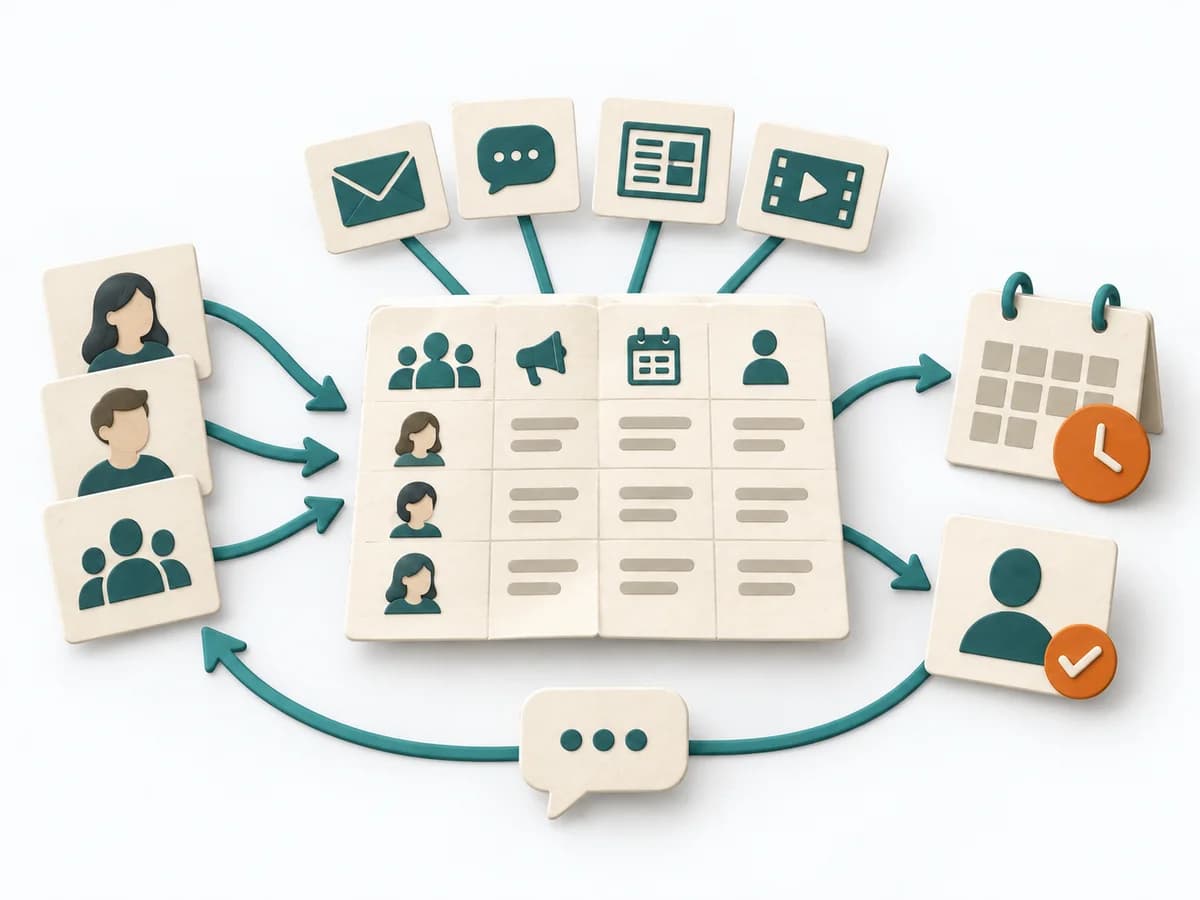 Delivery Communication Plan | 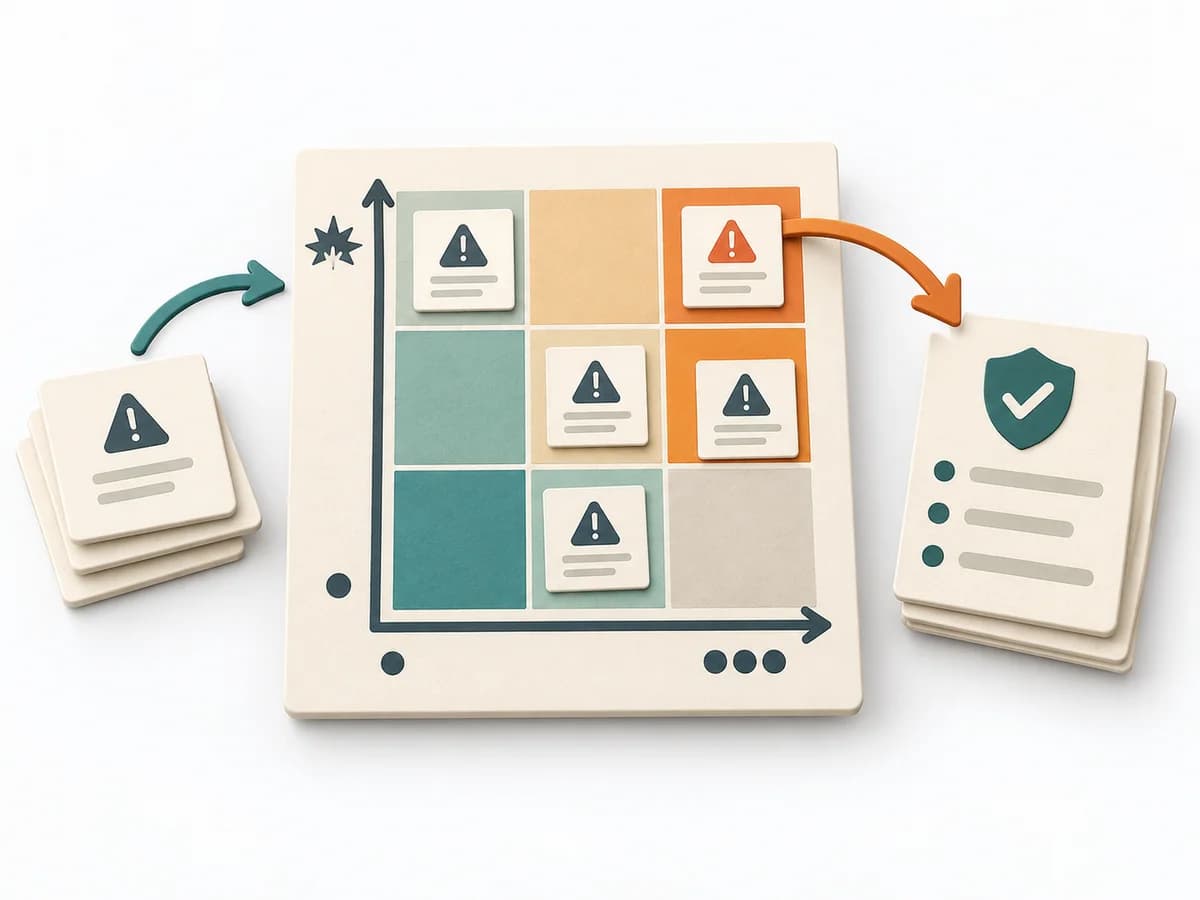 Decision Making Risk Matrix |  Decision Making Assumption Surfacing | 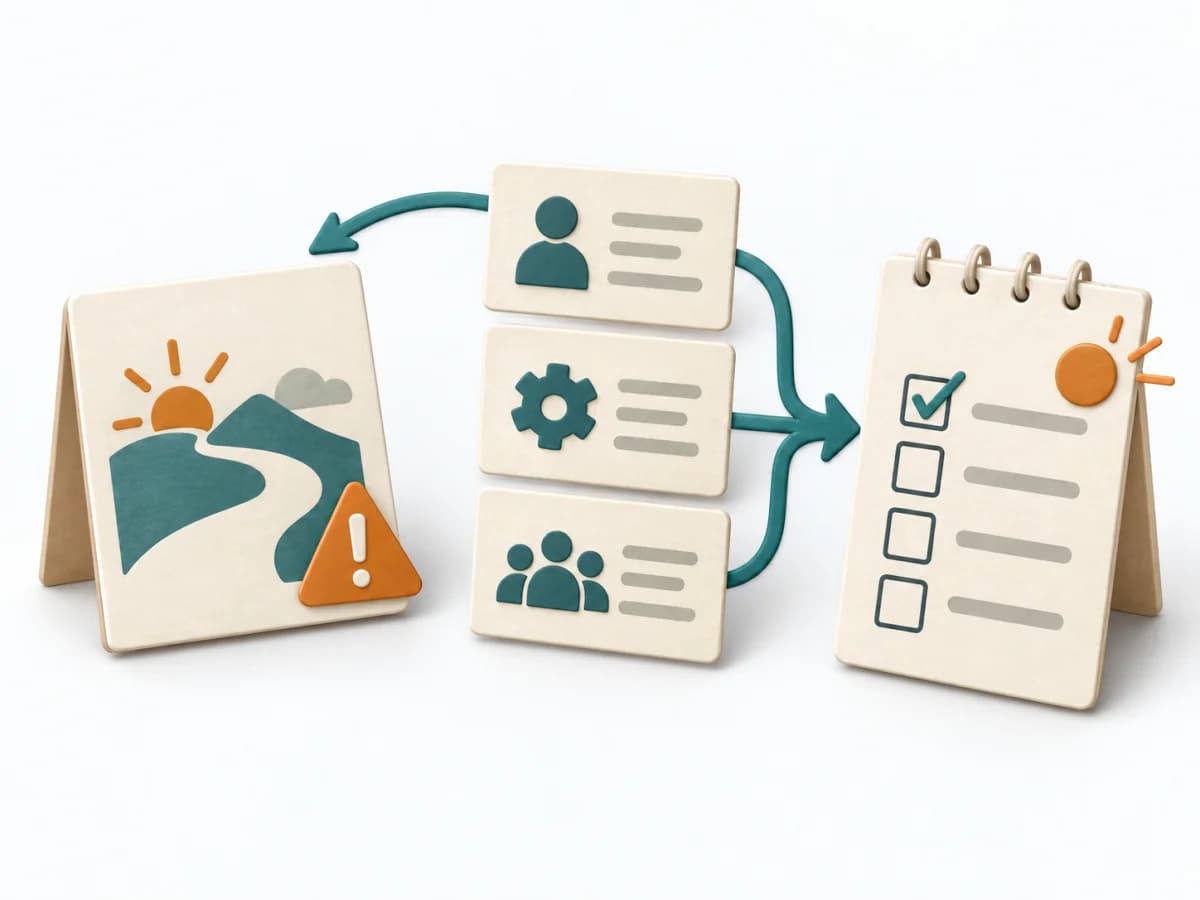 Decision Making Pre-Mortem |
|---|---|---|---|---|
Purposedifferent | When many people need to be informed in parallel and messages would otherwise arrive unevenly or too late, a Communication Plan orders communication reliably. Channels, audiences, and cadences interlock so important information doesn't get lost. | When a project faces many possible disruptions, it quickly becomes unclear which risks deserve attention first. It separates options, evaluation criteria, and open risks. The result is captured as a Risk Matrix and a Top Risk List. | Plans often contain assumptions that were never openly stated and remain dangerous precisely because of that. Assumption Surfacing makes these silent premises visible and prioritizes which of them carry the initiative or could sink it. | In early initiatives with many uncertainties, planning quickly turns too optimistic. A pre-mortem makes the expected failure visible in advance and sharpens the view of causes, gaps, and countermeasures. |
Complexitysame | Low | Low | Low | Low |
Timedifferent | 45-90 min | 30-60 min | 45-90 min | 20–45 min |
Participantsdifferent | 2-6 | 3-10 | 2-8 | Small cross-functional group |
Formatdifferent | Workshop + async | Workshop + async | Workshop + async | Workshop |
Outputdifferent | Communication Plan, Channel Matrix, Message Cadence | Risk Matrix, Top Risk List | Assumption List, Critical Assumptions, Learning Plan | Risk list, Mitigation plan, Assumption log |
Tagsno overlap | CommunicationStakeholdersDeliveryPlanning | RiskDecisionPrioritizationAssessment | AssumptionsRiskDecisionDiscovery | RiskDecisionFailurePlanning |