View methods side by side.
Choose up to four methods. Add them using the search and share the comparison by copying its link.
| Criterion | 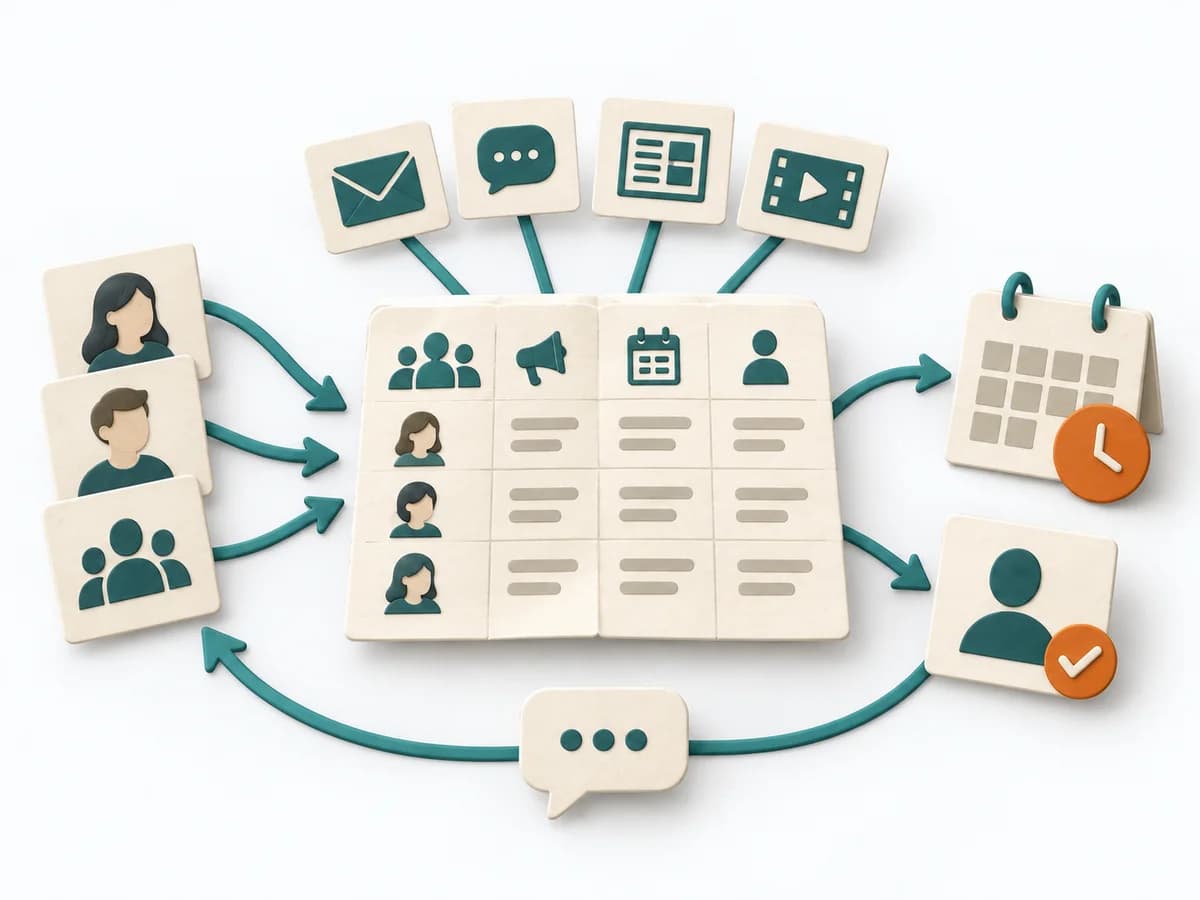 Delivery Communication Plan | 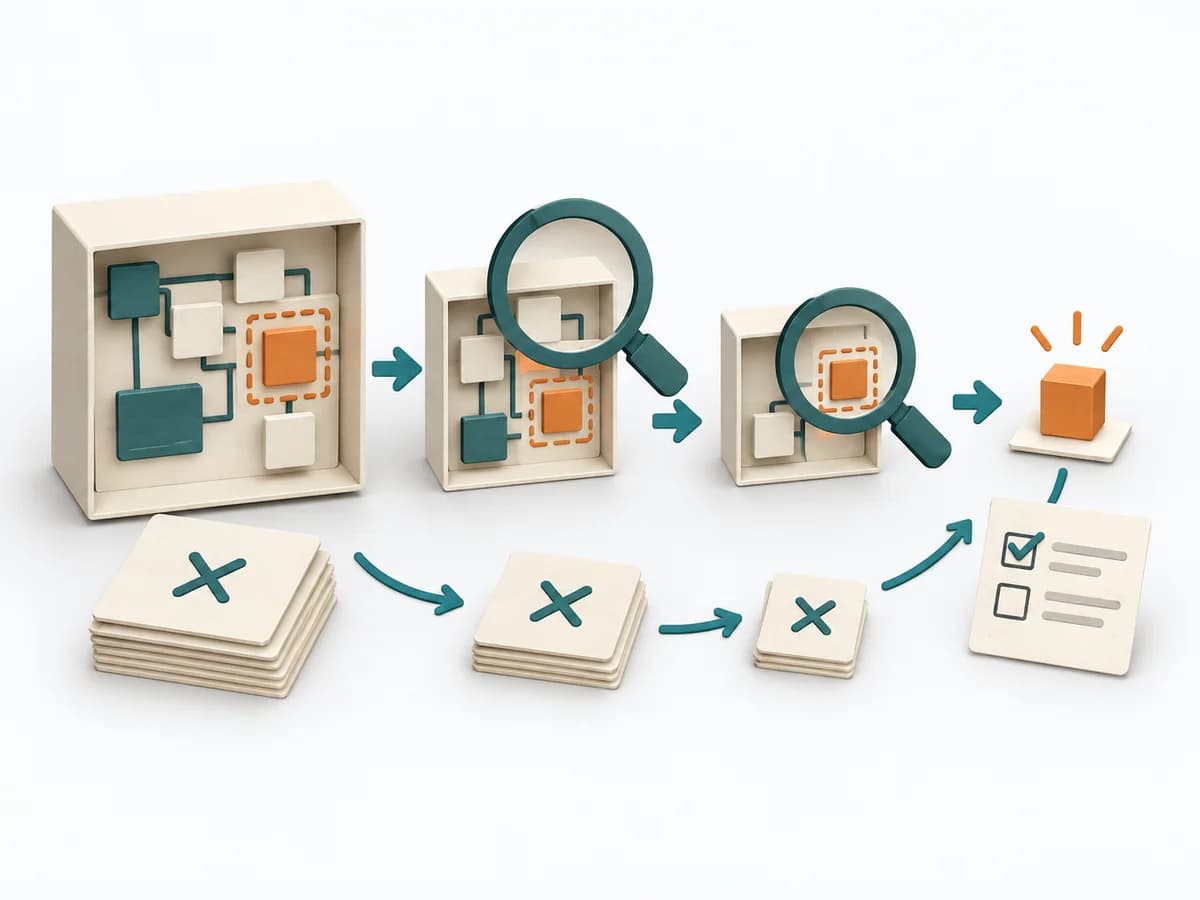 Engineering Fault Isolation |  Facilitation Stakeholder Mapping | 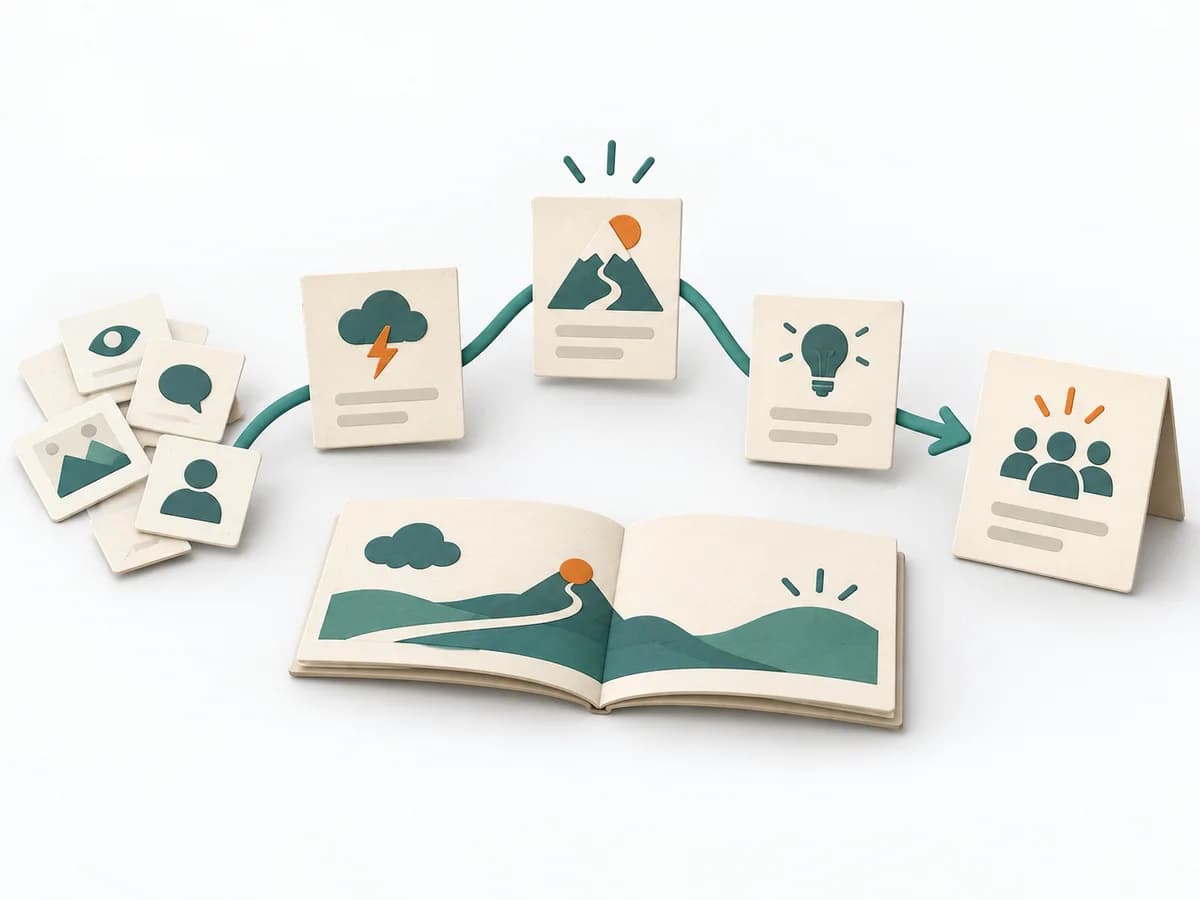 Facilitation Storytelling |
|---|---|---|---|---|
Purposedifferent | When many people need to be informed in parallel and messages would otherwise arrive unevenly or too late, a Communication Plan orders communication reliably. Channels, audiences, and cadences interlock so important information doesn't get lost. | In technical failures, the visible symptom often gets mixed up with the actual cause. Fault Isolation narrows the fault space and progressively reduces which part of the system is truly affected. | When an initiative depends on many people, interests, and power dynamics, Stakeholder Mapping systematically orders the environment. It shows who influences, who is affected, and where relationship management or safeguarding matters first. | When an insight needs to have an effect, storytelling translates dry facts into a comprehensible development. It combines context, tension, and consequence into a form that people remember and pass on more easily. |
Complexitydifferent | Low | Medium | Low | Medium |
Timedifferent | 45-90 min | 30-180 min | 60–90 min | 45-120 min |
Participantsdifferent | 2-6 | 1-6 | 2-8 | 1-6 |
Formatsame | Workshop + async | Workshop + async | Workshop + async | Workshop + async |
Outputdifferent | Communication Plan, Channel Matrix, Message Cadence | Fault Isolation Map, Test Log, Excluded Hypotheses, Narrowed Fault Area | Stakeholder Map, Engagement Plan, Risk Notes | Narrative Outline, Key Message, Story Arc |
Tagsno overlap | CommunicationStakeholdersDeliveryPlanning | TroubleshootingDiagnosisEngineering | StakeholdersAlignmentFacilitationChange | CommunicationNarrativeStakeholdersFacilitation |