View methods side by side.
Choose up to four methods. Add them using the search and share the comparison by copying its link.
| Criterion | 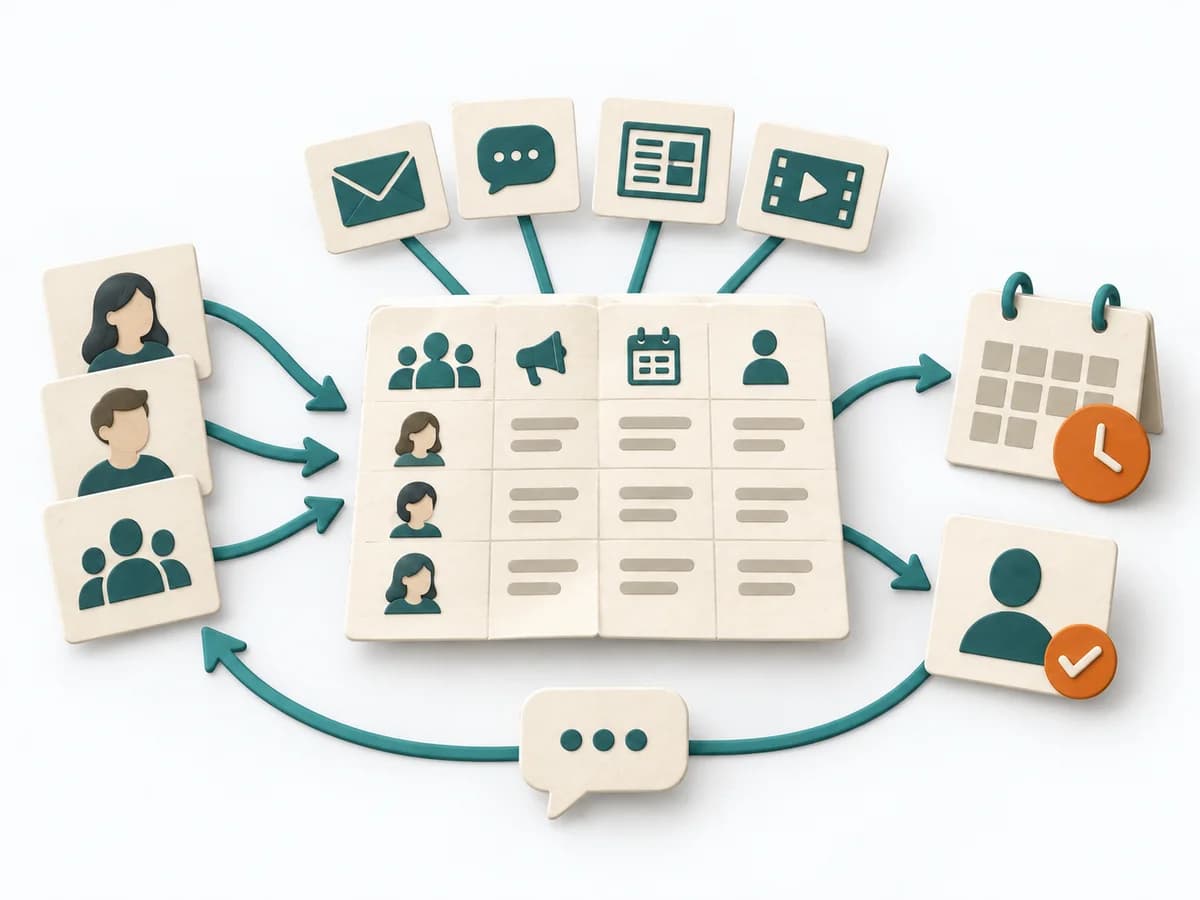 Delivery Communication Plan |  Operations ALPEN Method |  Operations 5 Whys |  Operations Root Cause Analysis |
|---|---|---|---|---|
Purposedifferent | When many people need to be informed in parallel and messages would otherwise arrive unevenly or too late, a Communication Plan orders communication reliably. Channels, audiences, and cadences interlock so important information doesn't get lost. | With an overloaded day full of too many tasks, a realistic picture of the day emerges. The method connects estimating, deciding, and buffer thinking so planning fits available energy and time. | For a single, hard-to-explain deviation, the method exposes the causal chain behind the visible symptom. It keeps the cause open until a controllable condition emerges instead of a mere description. | When a problem keeps recurring and the cause stays unclear, the method exposes the underlying mechanism. It separates symptom, guess, and robust explanation from one another. |
Complexitydifferent | Low | Low | Low | Medium |
Timedifferent | 45-90 min | 10-20 min daily | 15-30 min | 1-4 h |
Participantsdifferent | 2-6 | 1 | 2-6 | 3-8 |
Formatdifferent | Workshop + async | Async | Workshop | Workshop + async |
Outputdifferent | Communication Plan, Channel Matrix, Message Cadence | Daily Plan, Time Estimates, Review Notes | Root cause notes, Countermeasures | Problem Statement, Cause Hypotheses, Confirmed Causes, Action Plan |
Tagsno overlap | CommunicationStakeholdersDeliveryPlanning | PlanningTime managementProductivityOperations | Root causeIncidentLeanProblem solving | Root causeProblem solvingQualityIncident |