View methods side by side.
Choose up to four methods. Add them using the search and share the comparison by copying its link.
| Criterion | 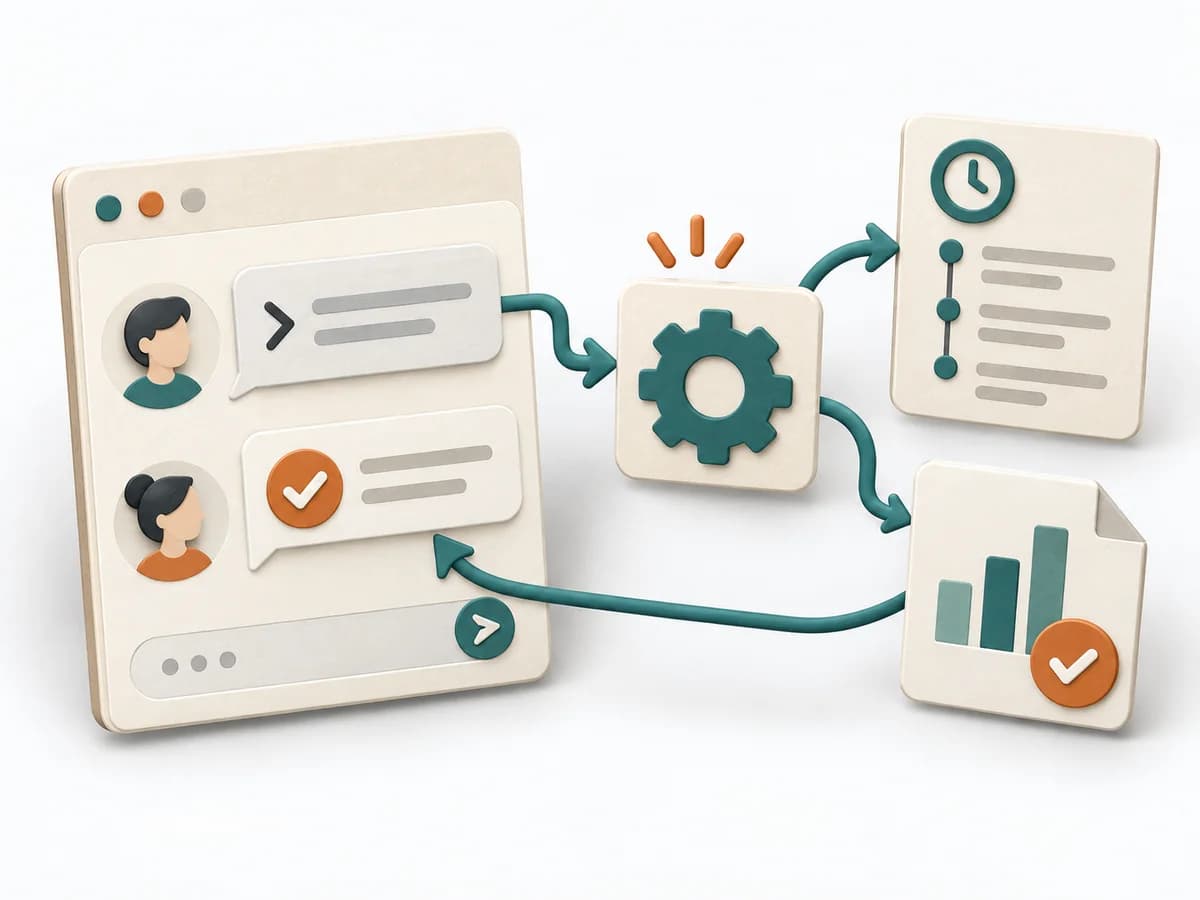 DevOps ChatOps | 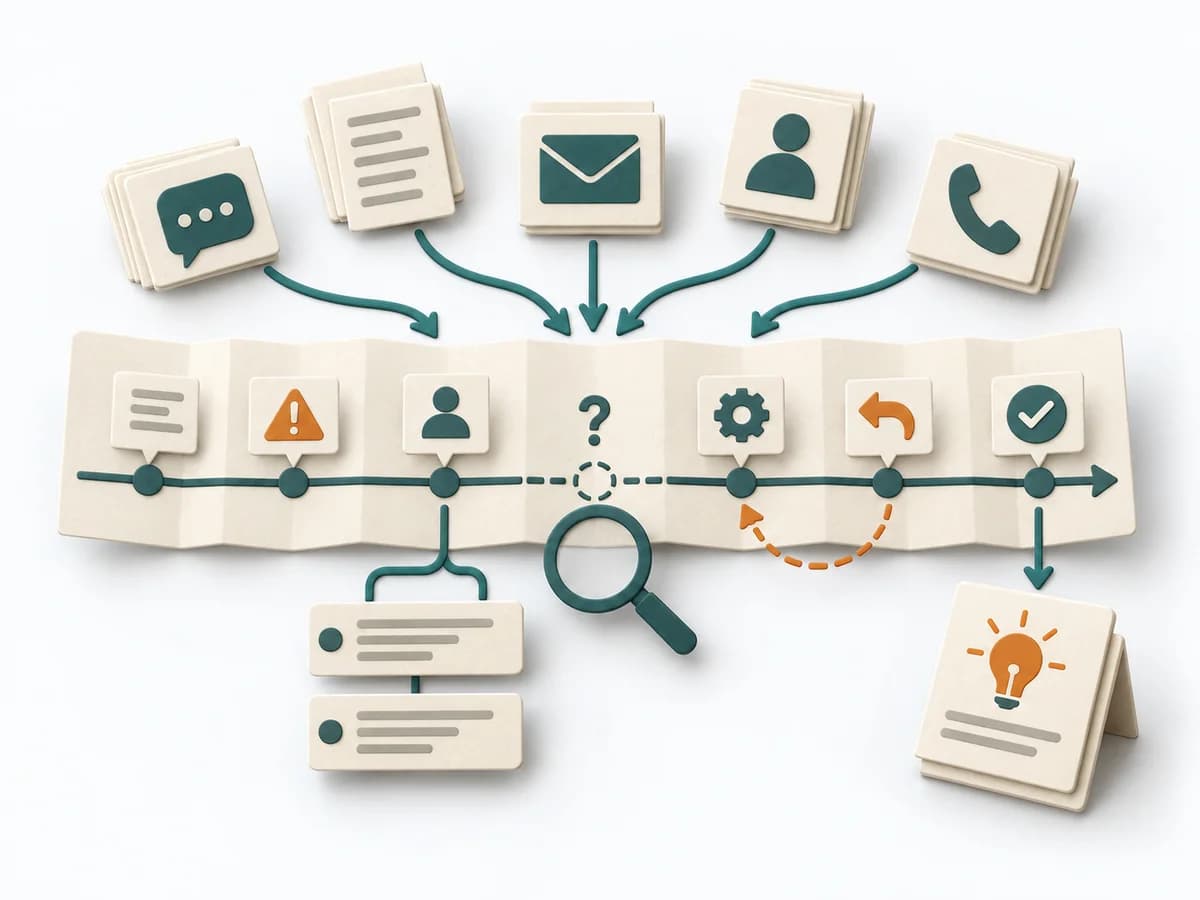 DevOps Incident Timeline Analysis | 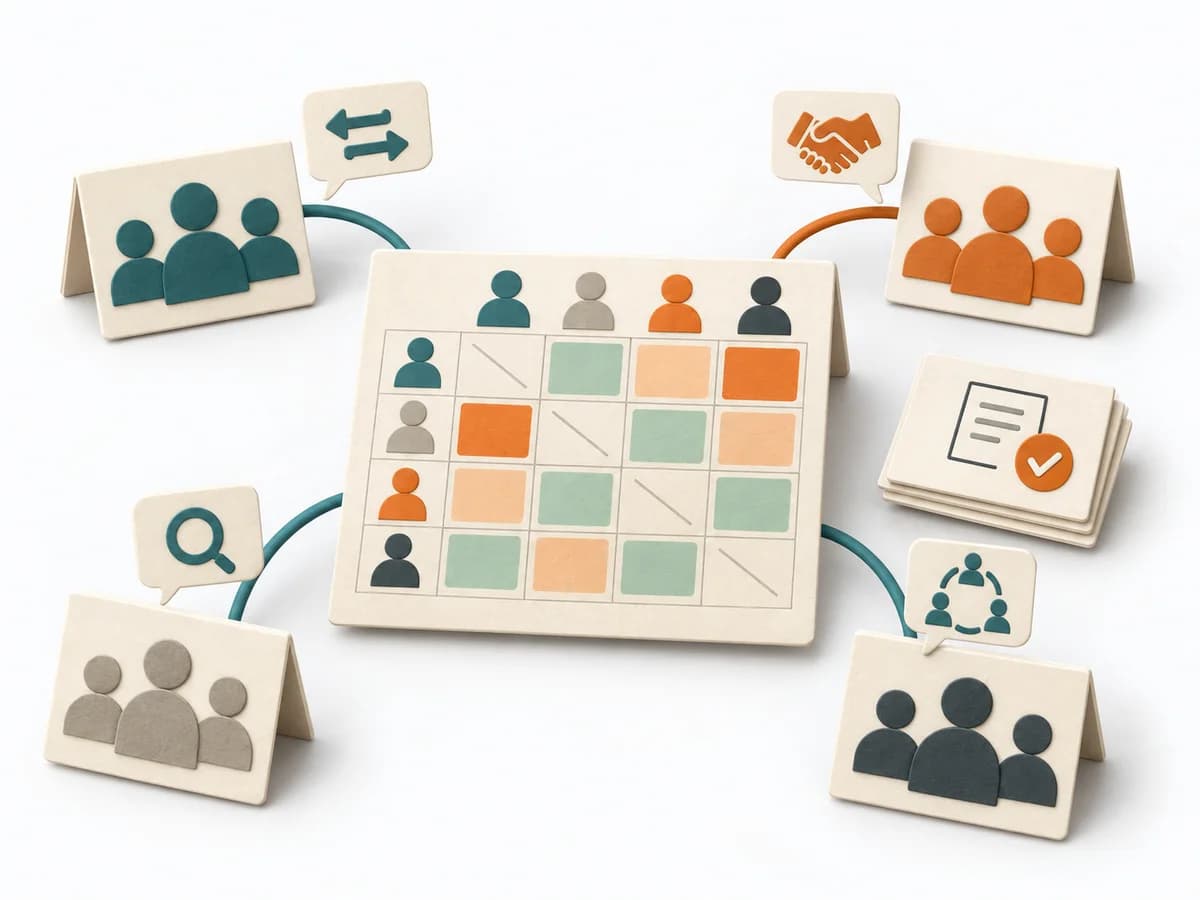 Team Design Team Topologies Interaction Modes |  DevOps Blameless Postmortem |
|---|---|---|---|---|
Purposedifferent | For operational work in a distributed team, the method links communication with direct system control. It records decisions right where the signal, the context, and the execution come together. | For an incident with an unclear sequence, the method makes the timeline precisely visible. It separates perception, reaction, and delay so cause and effect become more clearly readable. | When several teams collaborate repeatedly, it describes the right interaction mode for each interface between them. It clarifies responsibility, interaction, and load between teams. The result is captured as an interaction heat map and pairwise agreements. | After an incident with damage or a near miss, the method creates a sober field for learning without assigning blame. It directs attention to the course of events, conditions, and effective countermeasures. |
Complexitysame | Medium | Medium | Medium | Medium |
Timedifferent | Ongoing | 60-180 min | Half day | 30-90 min |
Participantsdifferent | 2-20 | 3-10 | Team-Leads plus Architecture | 3-12 |
Formatdifferent | Workshop + async | Workshop + async | Workshop | Workshop + async |
Outputdifferent | Chat Transcript, Action Log, Automations | Incident Timeline, Evidence Log, Delay Analysis, Improvement Actions | Interaction Heat Map, Agreements per Pair | Postmortem Doc, Action Items, Timeline |
Tagsno overlap | CollaborationEngineeringIncident | IncidentTimelineSite Reliability Engineering | TeamAlignmentCollaborationOrganization | Site Reliability EngineeringIncidentLearningReliability |