View methods side by side.
Choose up to four methods. Add them using the search and share the comparison by copying its link.
| Criterion | 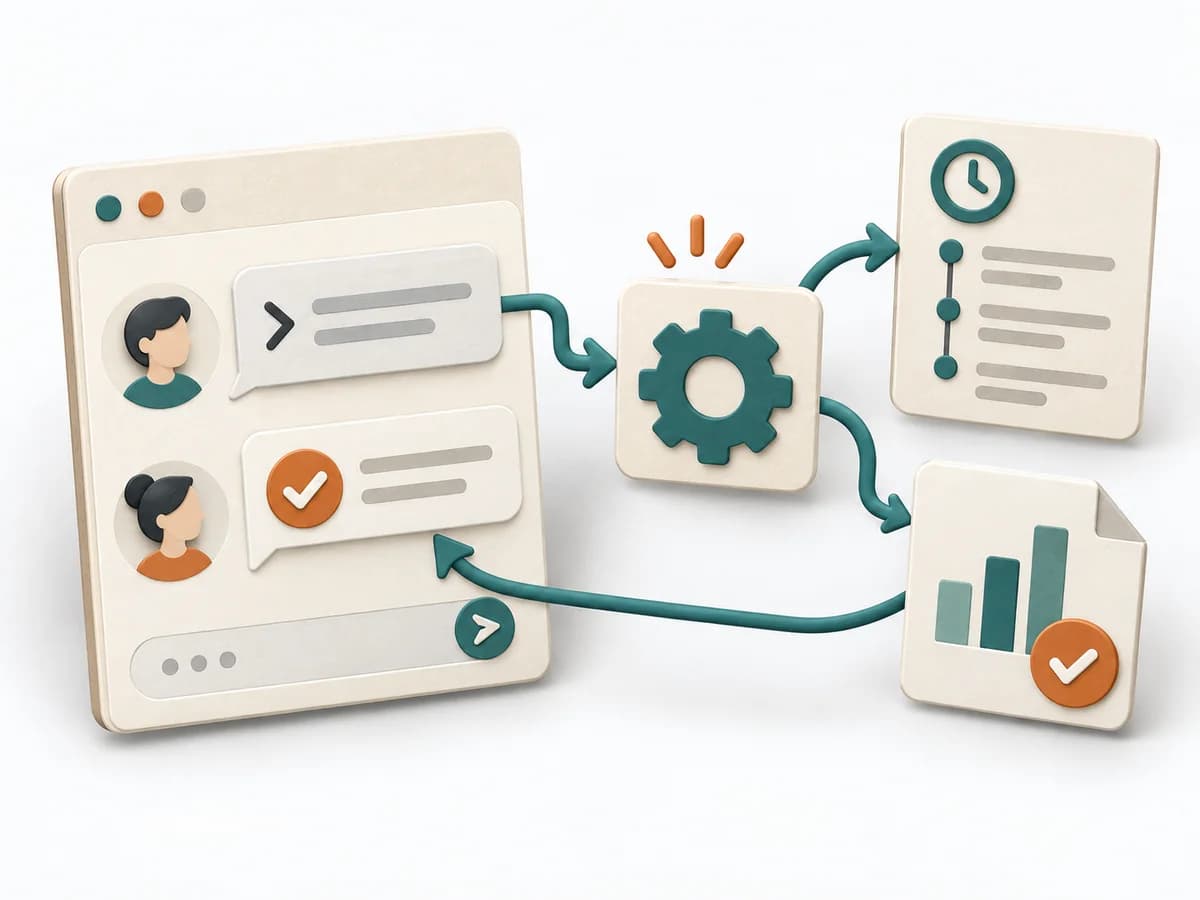 DevOps ChatOps | 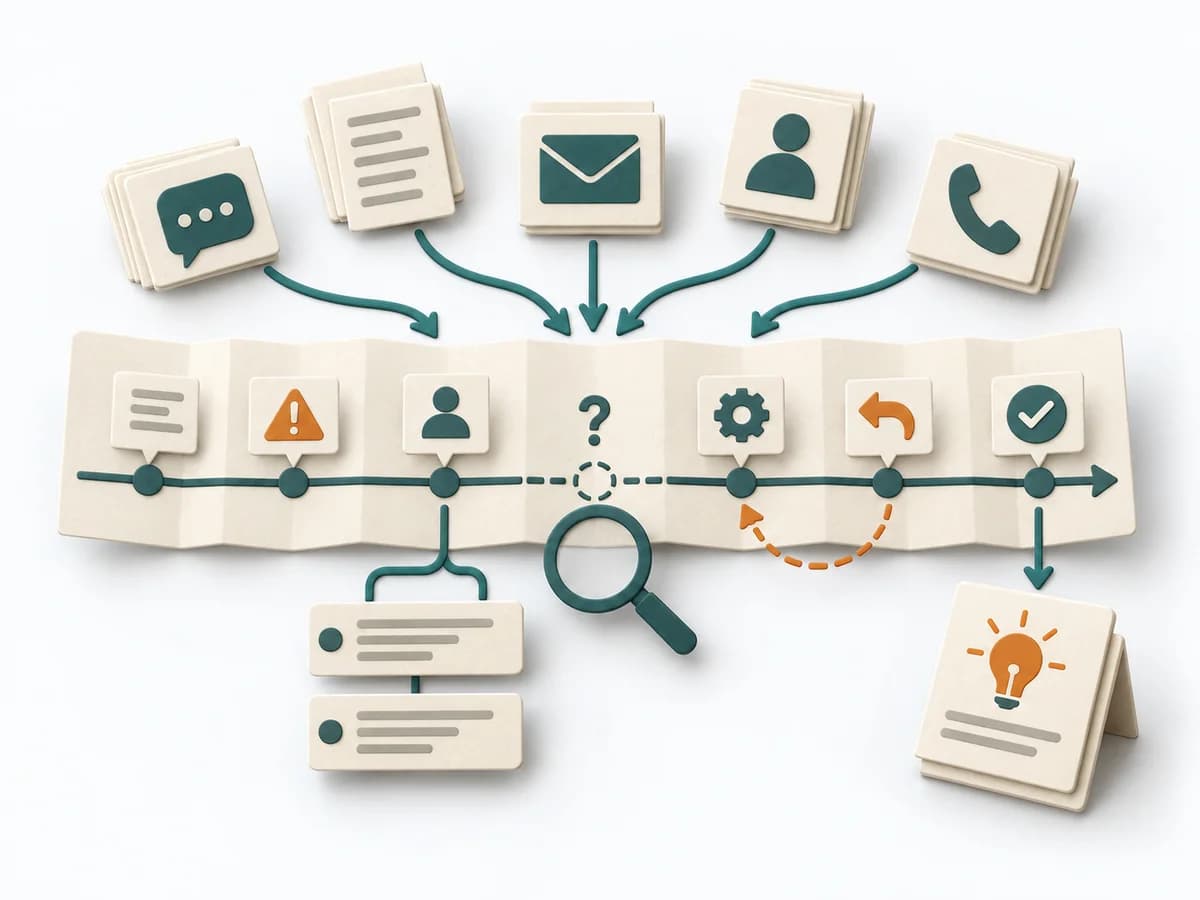 DevOps Incident Timeline Analysis |  Systems Thinking Leverage Points |  Decision Making Force Field Analysis |
|---|---|---|---|---|
Purposedifferent | For operational work in a distributed team, the method links communication with direct system control. It records decisions right where the signal, the context, and the execution come together. | For an incident with an unclear sequence, the method makes the timeline precisely visible. It separates perception, reaction, and delay so cause and effect become more clearly readable. | Leverage Points show exactly where interventions in a system produce a disproportionate effect. It draws relationships, patterns, and feedback loops. The result is captured as a leverage map and action strategy. | In change initiatives, supporting and restraining forces sit at the table at the same time. Force Field Analysis makes these tensions explicit and shows where change can be pushed forward by strengthening or relieving. |
Complexitydifferent | Medium | Medium | High | Low |
Timedifferent | Ongoing | 60-180 min | Half day | 45-90 min |
Participantsdifferent | 2-20 | 3-10 | 3-12 | 3-12 |
Formatdifferent | Workshop + async | Workshop + async | Workshop | Workshop |
Outputdifferent | Chat Transcript, Action Log, Automations | Incident Timeline, Evidence Log, Delay Analysis, Improvement Actions | Leverage Map, Action Strategy | Force Field Map, Change Levers, Risk Notes |
Tagsno overlap | CollaborationEngineeringIncident | IncidentTimelineSite Reliability Engineering | Systems thinkingChangeStrategy | ChangeDecisionStrategy |