View methods side by side.
Choose up to four methods. Add them using the search and share the comparison by copying its link.
| Criterion | 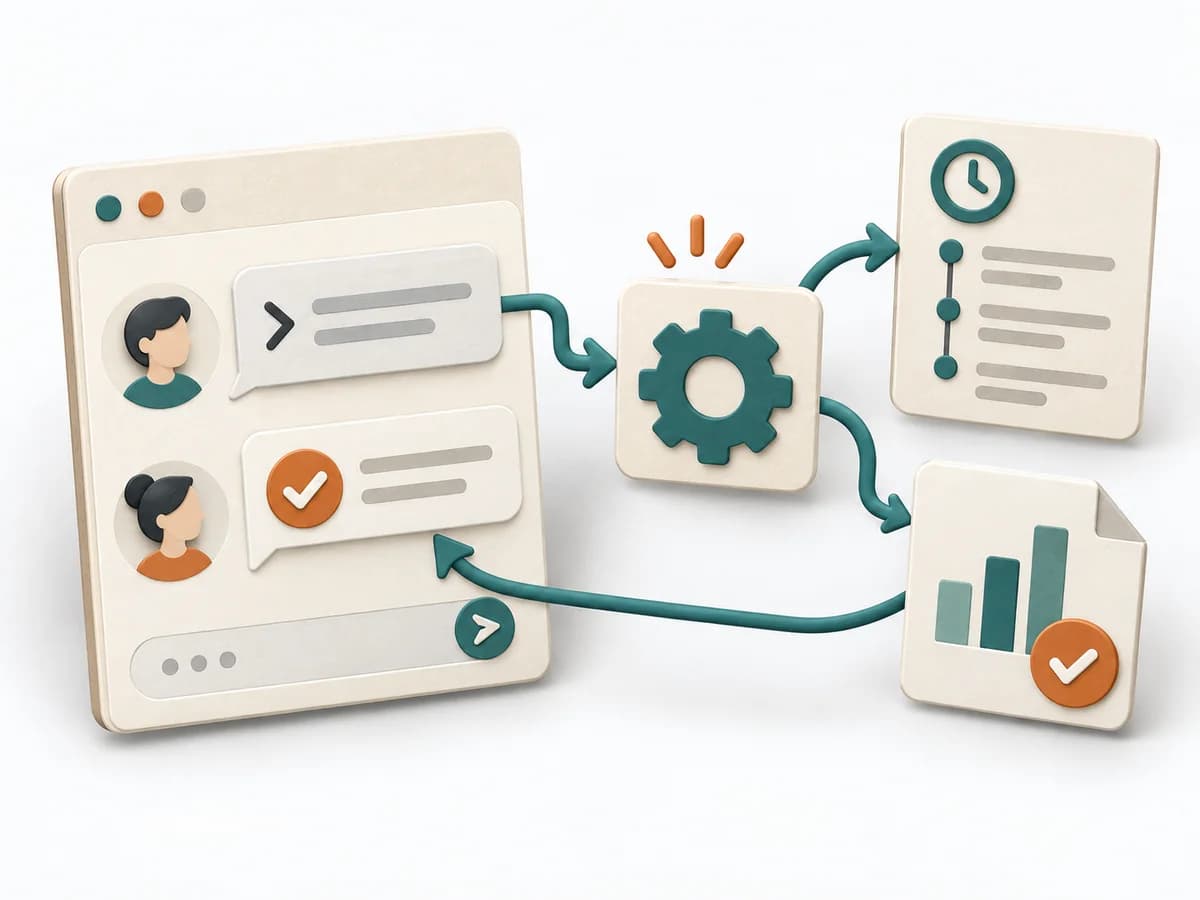 DevOps ChatOps |  DevOps Incident Command |  Decision Making Assumption Surfacing |  Operations Failure Mode and Effects Analysis |
|---|---|---|---|---|
Purposedifferent | For operational work in a distributed team, the method links communication with direct system control. It records decisions right where the signal, the context, and the execution come together. | During an acute incident with several people involved, the method creates a clear leadership and communication structure. It reduces chaos when fast coordination and clean situational awareness are both needed at once. | Plans often contain assumptions that were never openly stated and remain dangerous precisely because of that. Assumption Surfacing makes these silent premises visible and prioritizes which of them carry the initiative or could sink it. | For a process, product, or service with noticeable failure risks, the method assesses possible failure modes in advance. It directs attention to combinations of occurrence, effect, and detectability. |
Complexitydifferent | Medium | Medium | Low | High |
Timedifferent | Ongoing | As needed | 45-90 min | 2-6 h |
Participantsdifferent | 2-20 | 4-15 | 2-8 | 3-10 |
Formatdifferent | Workshop + async | Workshop + async | Workshop + async | Workshop |
Outputdifferent | Chat Transcript, Action Log, Automations | Incident Log, Action Tracker, Stakeholder Updates | Assumption List, Critical Assumptions, Learning Plan | FMEA Table, Risk Priority, Mitigation Actions |
Tagsno overlap | CollaborationEngineeringIncident | IncidentOperationsReliability | AssumptionsRiskDecisionDiscovery | RiskQualityOperationsRoot cause |