View methods side by side.
Choose up to four methods. Add them using the search and share the comparison by copying its link.
| Criterion | 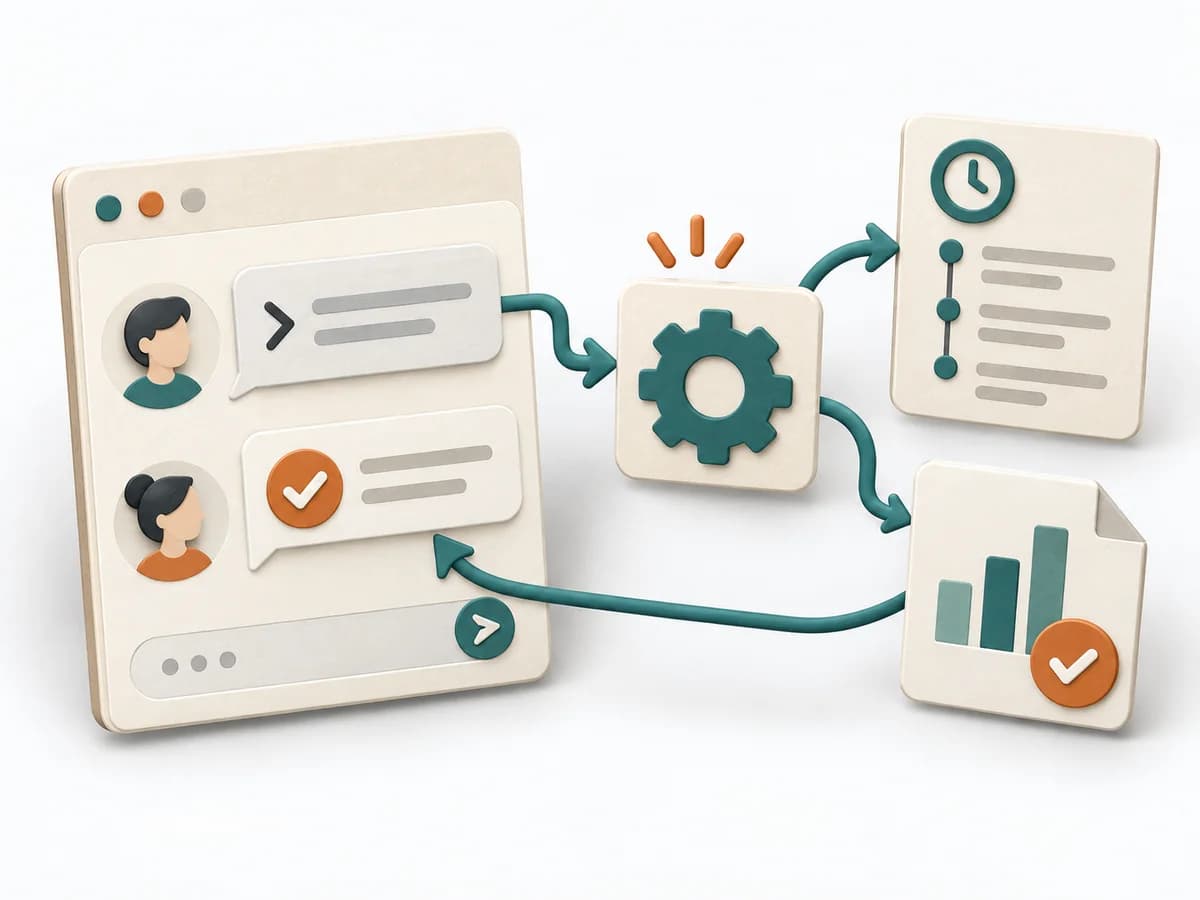 DevOps ChatOps |  Product Strategy DIBB |  DevOps Incident Command |  Decision Making Force Field Analysis |
|---|---|---|---|---|
Purposedifferent | For operational work in a distributed team, the method links communication with direct system control. It records decisions right where the signal, the context, and the execution come together. | DIBB helps clarify target groups, value, goals, and priorities by making the logic behind a decision explicit. It captures results as a DIBB document, belief list, bet list, and learning report. | During an acute incident with several people involved, the method creates a clear leadership and communication structure. It reduces chaos when fast coordination and clean situational awareness are both needed at once. | In change initiatives, supporting and restraining forces sit at the table at the same time. Force Field Analysis makes these tensions explicit and shows where change can be pushed forward by strengthening or relieving. |
Complexitydifferent | Medium | Low | Medium | Low |
Timedifferent | Ongoing | 1-2 h | As needed | 45-90 min |
Participantsdifferent | 2-20 | 2-8 | 4-15 | 3-12 |
Formatdifferent | Workshop + async | Workshop + async | Workshop + async | Workshop |
Outputdifferent | Chat Transcript, Action Log, Automations | DIBB document, Belief list, Bet list, Learning report | Incident Log, Action Tracker, Stakeholder Updates | Force Field Map, Change Levers, Risk Notes |
Tagsno overlap | CollaborationEngineeringIncident | StrategyDecisionAssumptionsHypothesis | IncidentOperationsReliability | ChangeDecisionStrategy |