View methods side by side.
Choose up to four methods. Add them using the search and share the comparison by copying its link.
| Criterion | 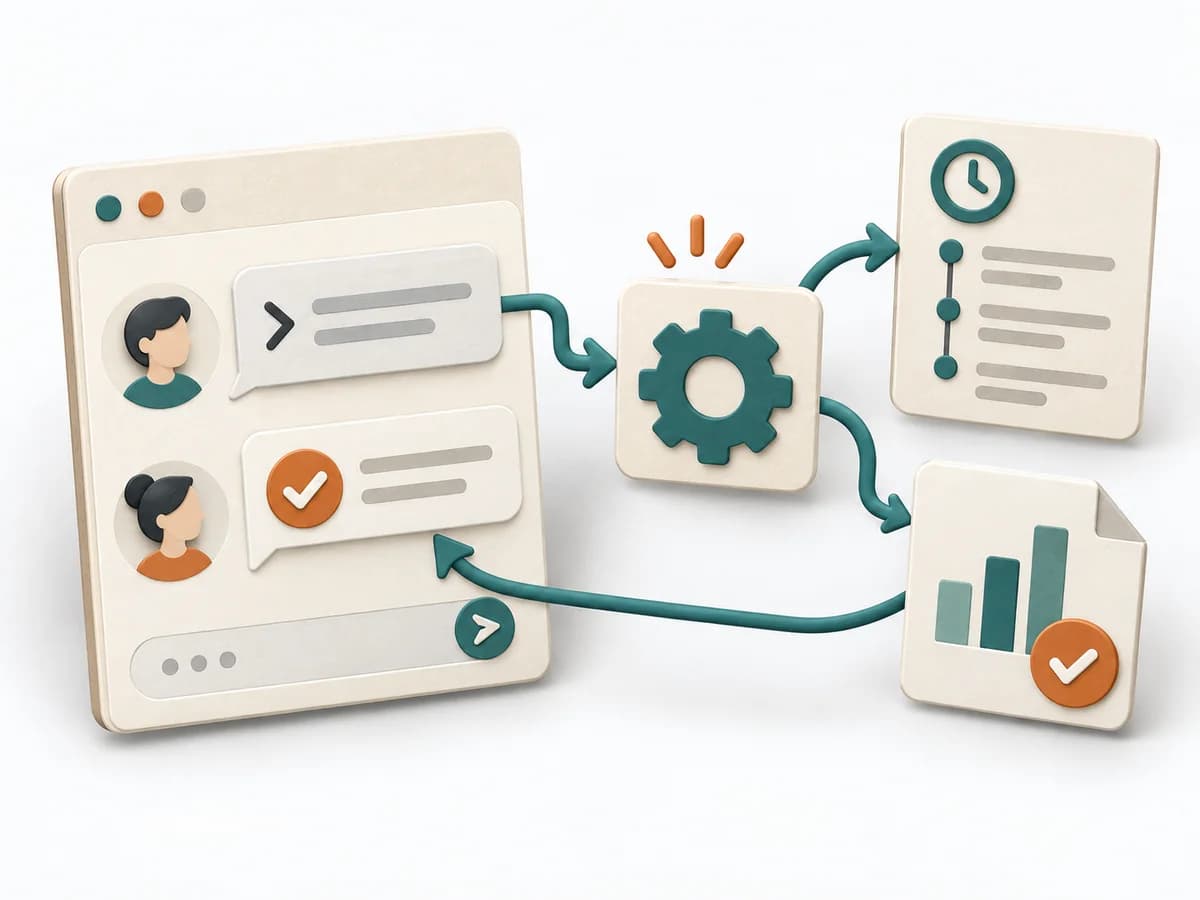 DevOps ChatOps |  Domain Modeling Context Map |  Facilitation Stakeholder Mapping |  Facilitation Power Interest Grid |
|---|---|---|---|---|
Purposedifferent | For operational work in a distributed team, the method links communication with direct system control. It records decisions right where the signal, the context, and the execution come together. | When several contexts need to talk to each other, it makes their relationships and dependencies legible. It helps sort integration pressure and responsibilities across system boundaries. | When an initiative depends on many people, interests, and power dynamics, Stakeholder Mapping systematically orders the environment. It shows who influences, who is affected, and where relationship management or safeguarding matters first. | When many stakeholders compete for attention at once, the Power Interest Grid sorts them by influence and stake. It turns individual contributions into a visible selection. The result is captured as a Power Interest Grid and a stakeholder-specific strategy. |
Complexitydifferent | Medium | Medium | Low | Low |
Timedifferent | Ongoing | 1-3 h | 60–90 min | 30-60 min |
Participantsdifferent | 2-20 | 2-8 | 2-8 | 2-8 |
Formatdifferent | Workshop + async | Workshop + async | Workshop + async | Workshop |
Outputdifferent | Chat Transcript, Action Log, Automations | Context Map, Integration Patterns, Boundary Notes | Stakeholder Map, Engagement Plan, Risk Notes | Power Interest Grid, Strategy per Stakeholder |
Tagsno overlap | CollaborationEngineeringIncident | Domain-Driven DesignBoundariesStrategy | StakeholdersAlignmentFacilitationChange | StakeholdersFacilitationAlignmentPlanning |