View methods side by side.
Choose up to four methods. Add them using the search and share the comparison by copying its link.
| Criterion | 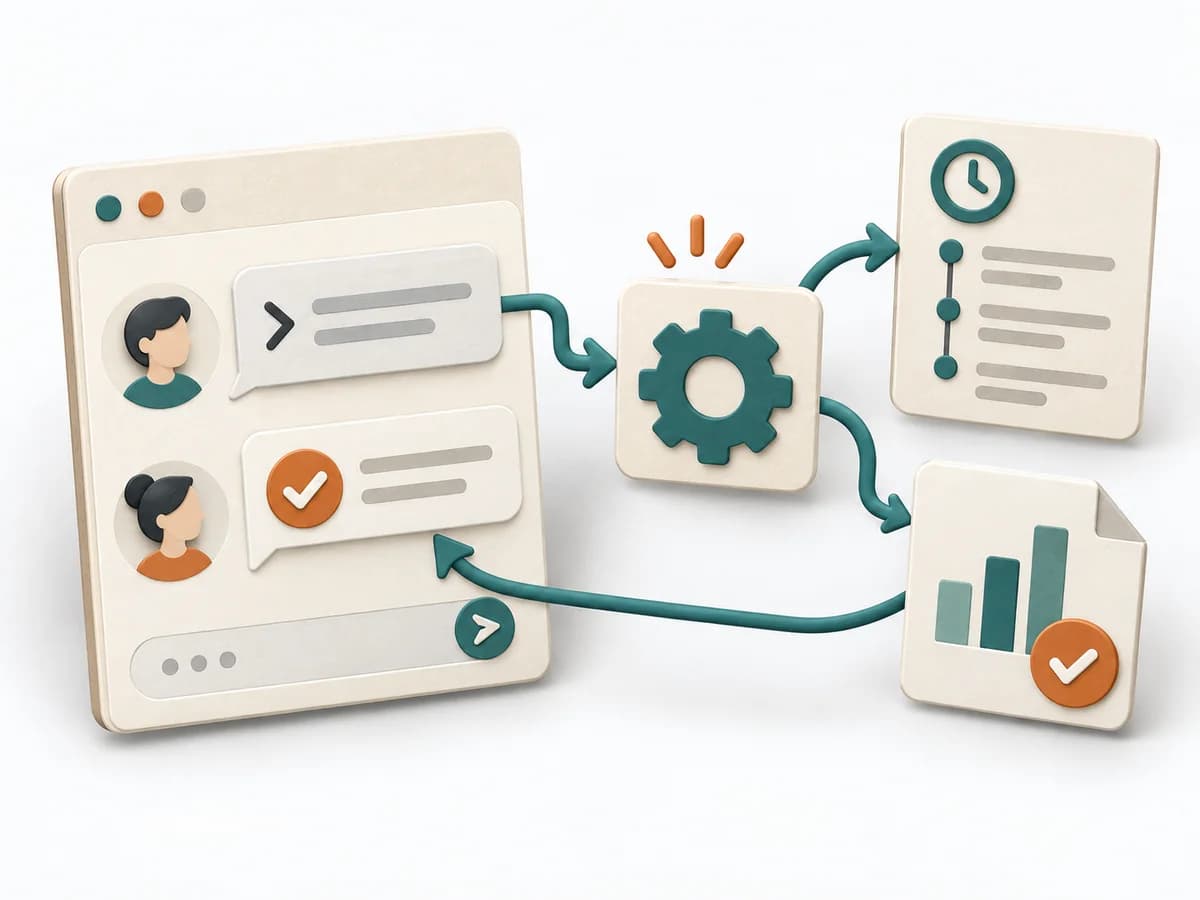 DevOps ChatOps | 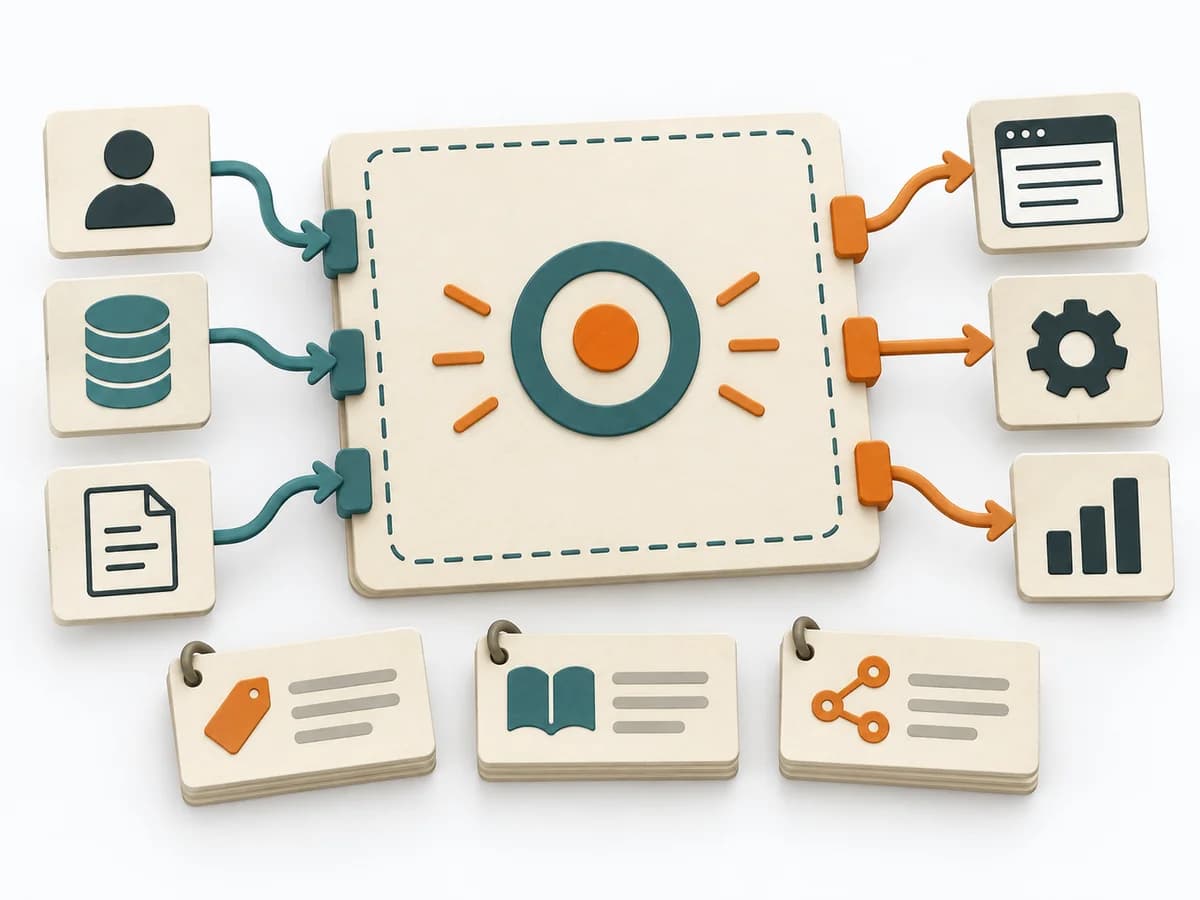 Domain Modeling Bounded Context Canvas |  Operations 5 Whys |  Operations Barrier Analysis |
|---|---|---|---|---|
Purposedifferent | For operational work in a distributed team, the method links communication with direct system control. It records decisions right where the signal, the context, and the execution come together. | When a business context is still loosely outlined, it shapes language, responsibility, and integration space. It clarifies what belongs together and where a boundary needs to hold. | For a single, hard-to-explain deviation, the method exposes the causal chain behind the visible symptom. It keeps the cause open until a controllable condition emerges instead of a mere description. | For a risk that can only be managed through multiple layers of protection, the method examines the effectiveness of each barrier. It shows where safeguards are missing, too weak, or fail under real conditions. |
Complexitydifferent | Medium | Medium | Low | Medium |
Timedifferent | Ongoing | 1-3 h | 15-30 min | 2-4 h |
Participantsdifferent | 2-20 | 3-8 | 2-6 | 2-6 |
Formatdifferent | Workshop + async | Workshop + async | Workshop | Workshop + async |
Outputdifferent | Chat Transcript, Action Log, Automations | Context Canvas, Glossary, Integration Notes | Root cause notes, Countermeasures | Barrier Inventory, Failure Analysis per Barrier, Action Backlog |
Tagsno overlap | CollaborationEngineeringIncident | Domain-Driven DesignBoundariesModeling | Root causeIncidentLeanProblem solving | Root causeSafetyIncident |