View methods side by side.
Choose up to four methods. Add them using the search and share the comparison by copying its link.
| Criterion | 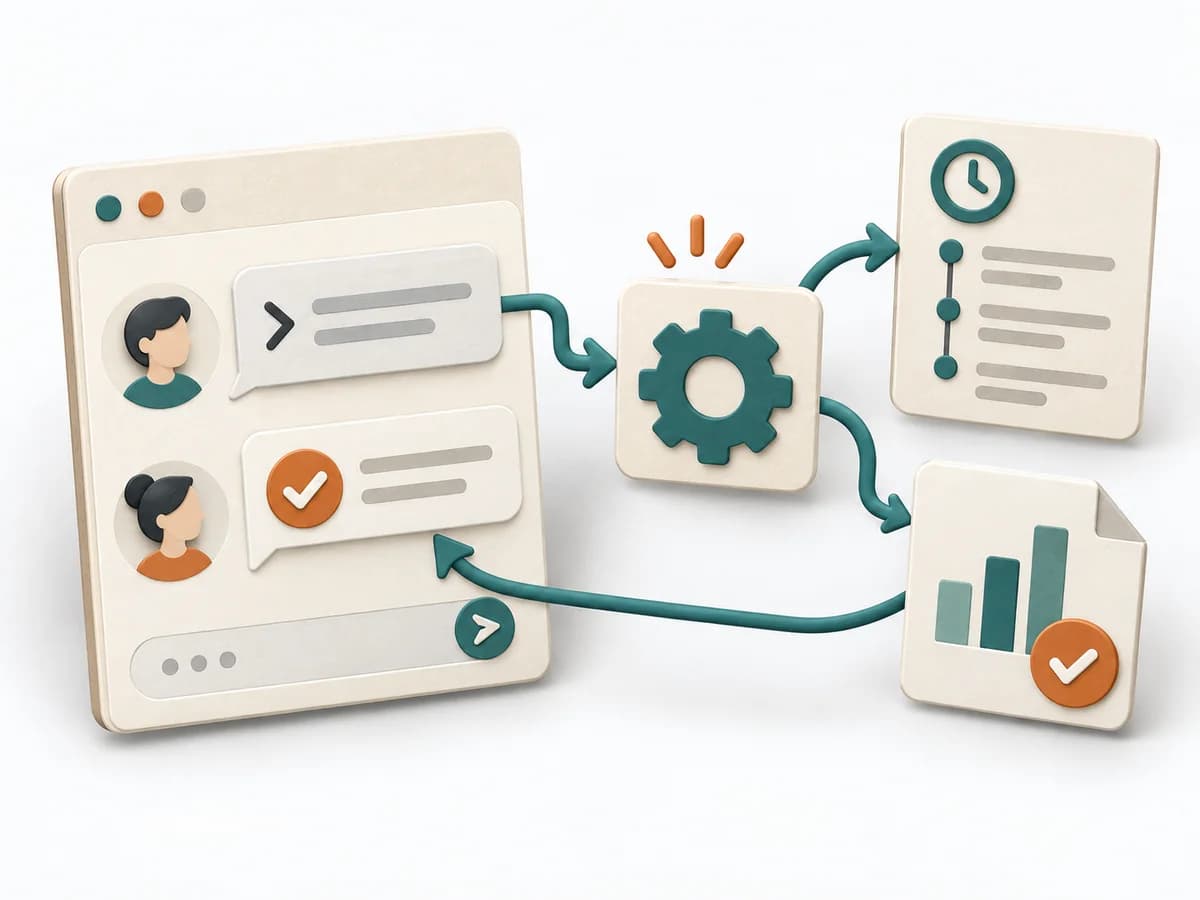 DevOps ChatOps |  Operations A3 Problem Solving |  Facilitation Power Interest Grid |  Facilitation Stakeholder Salience Model |
|---|---|---|---|---|
Purposedifferent | For operational work in a distributed team, the method links communication with direct system control. It records decisions right where the signal, the context, and the execution come together. | For a complex deviation with several people involved, the method bundles problem, analysis, and decision onto one page. It creates a shared working space where causes, countermeasures, and follow-up fit together. | When many stakeholders compete for attention at once, the Power Interest Grid sorts them by influence and stake. It turns individual contributions into a visible selection. The result is captured as a Power Interest Grid and a stakeholder-specific strategy. | When stakeholders appear to matter very differently, the Stakeholder Salience Model rates their actual priority through power, legitimacy, and urgency. It turns individual contributions into a visible selection. The result is captured as a Salience diagram and a class-based strategy. |
Complexitydifferent | Medium | Medium | Low | Medium |
Timedifferent | Ongoing | 45-90 min | 30-60 min | 60-90 min |
Participantsdifferent | 2-20 | 2-5 | 2-8 | 3-6 |
Formatdifferent | Workshop + async | Workshop + async | Workshop | Workshop |
Outputdifferent | Chat Transcript, Action Log, Automations | A3 Report, Action Plan, Root Cause Analysis | Power Interest Grid, Strategy per Stakeholder | Salience Diagram, Strategy per Class |
Tagsno overlap | CollaborationEngineeringIncident | LeanProblem solvingCoachingOperations | StakeholdersFacilitationAlignmentPlanning | StakeholdersFacilitationAlignmentGovernance |