View methods side by side.
Choose up to four methods. Add them using the search and share the comparison by copying its link.
| Criterion | 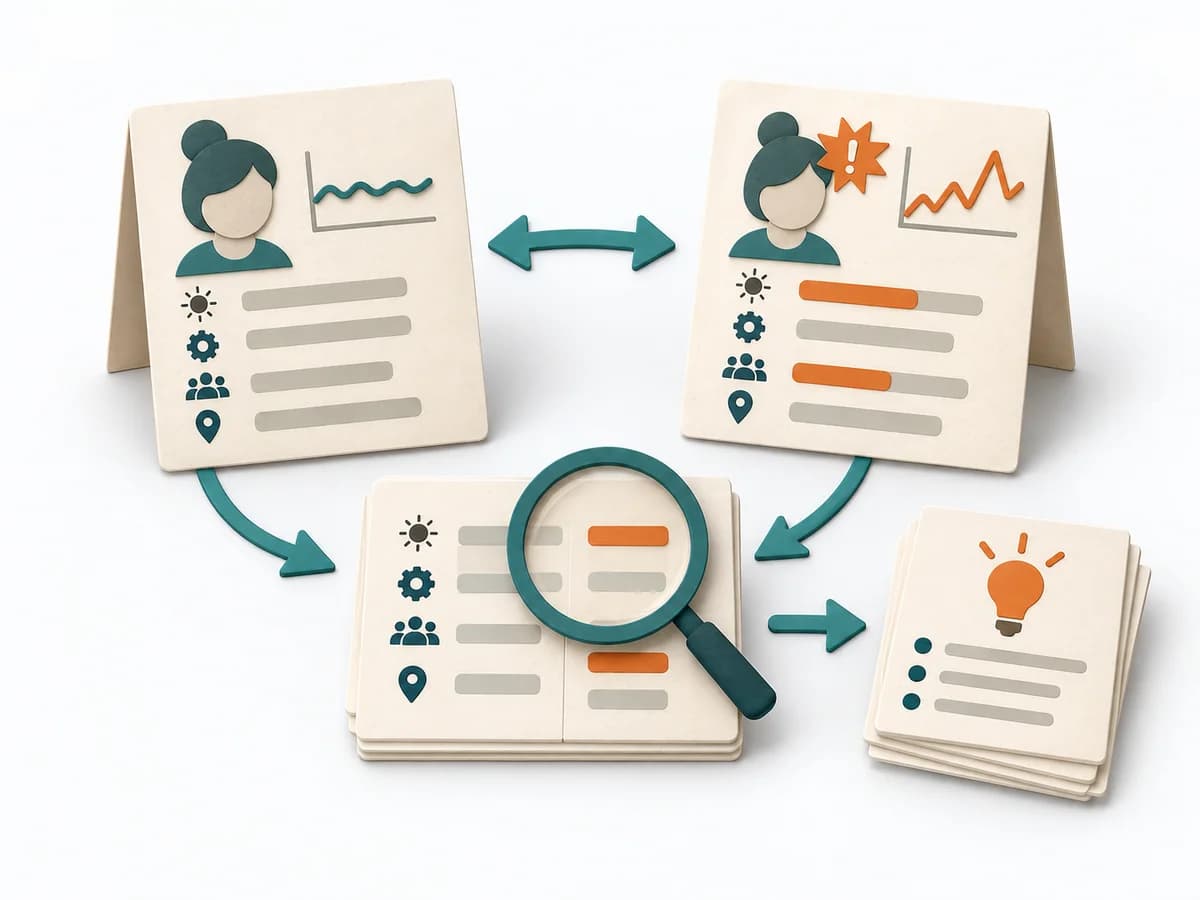 Operations Change Analysis |  Growth Hooked Model |  Operations 5 Whys | 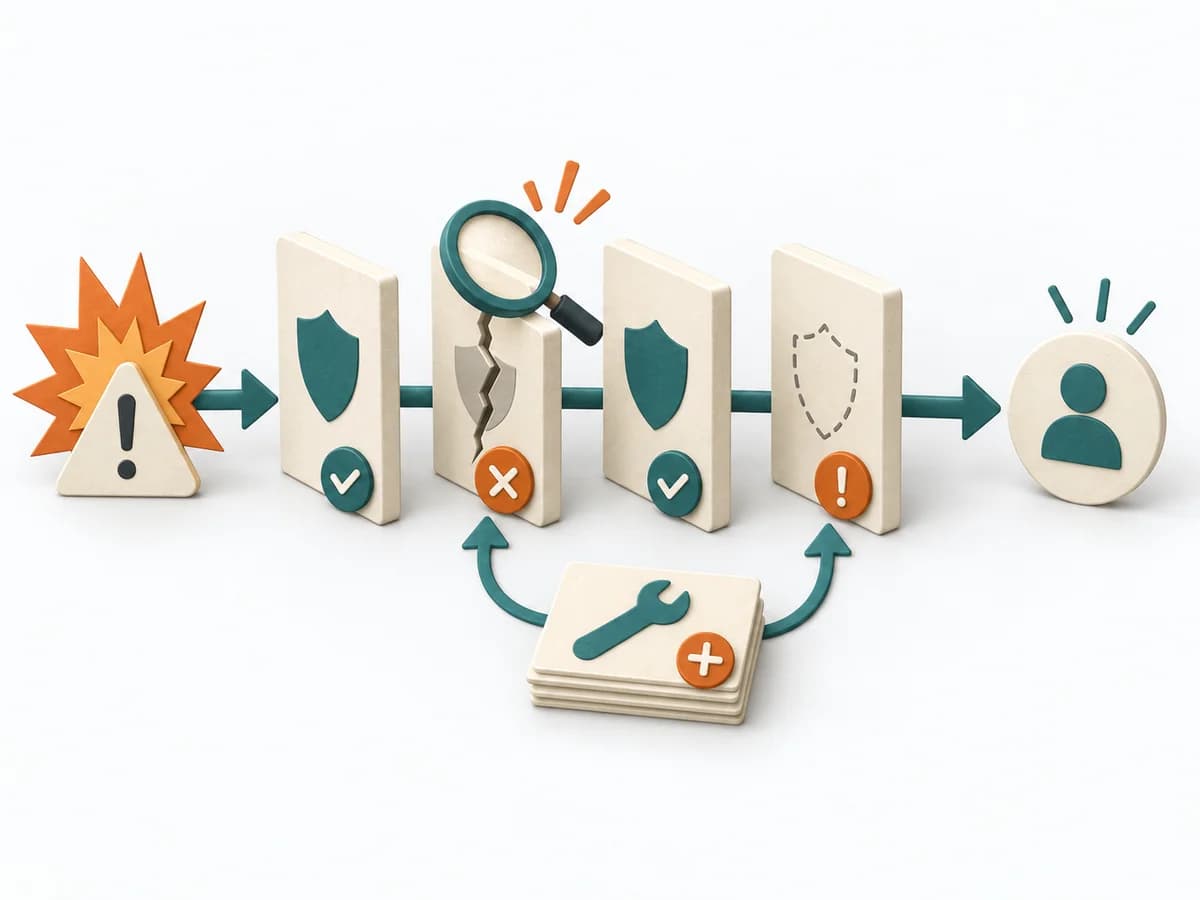 Operations Barrier Analysis |
|---|---|---|---|---|
Purposedifferent | For a deviation after a change, the method isolates the influence of the altered condition. It narrows down which differences are relevant and which are just accompanying noise. | The Hooked Model helps clarify engagement loops, user behavior, and experiments. It makes repeat behavior measurable and captures the result as a hooked loop, trigger map, and reward design. | For a single, hard-to-explain deviation, the method exposes the causal chain behind the visible symptom. It keeps the cause open until a controllable condition emerges instead of a mere description. | For a risk that can only be managed through multiple layers of protection, the method examines the effectiveness of each barrier. It shows where safeguards are missing, too weak, or fail under real conditions. |
Complexitydifferent | Medium | Medium | Low | Medium |
Timedifferent | 45-120 min | Multiple workshops over several weeks | 15-30 min | 2-4 h |
Participantsdifferent | 2-6 | 2-8 | 2-6 | 2-6 |
Formatdifferent | Workshop + async | Workshop + async | Workshop | Workshop + async |
Outputdifferent | Change Matrix, Cause Hypotheses, Validation Questions, Action List | Hooked loop, Trigger map, Reward design, Ethics check | Root cause notes, Countermeasures | Barrier Inventory, Failure Analysis per Barrier, Action Backlog |
Tagsno overlap | ChangeRoot causeTroubleshootingComparison | GrowthBehaviorRetention | Root causeIncidentLeanProblem solving | Root causeSafetyIncident |