View methods side by side.
Choose up to four methods. Add them using the search and share the comparison by copying its link.
| Criterion |  Operations Causal Factor Analysis | 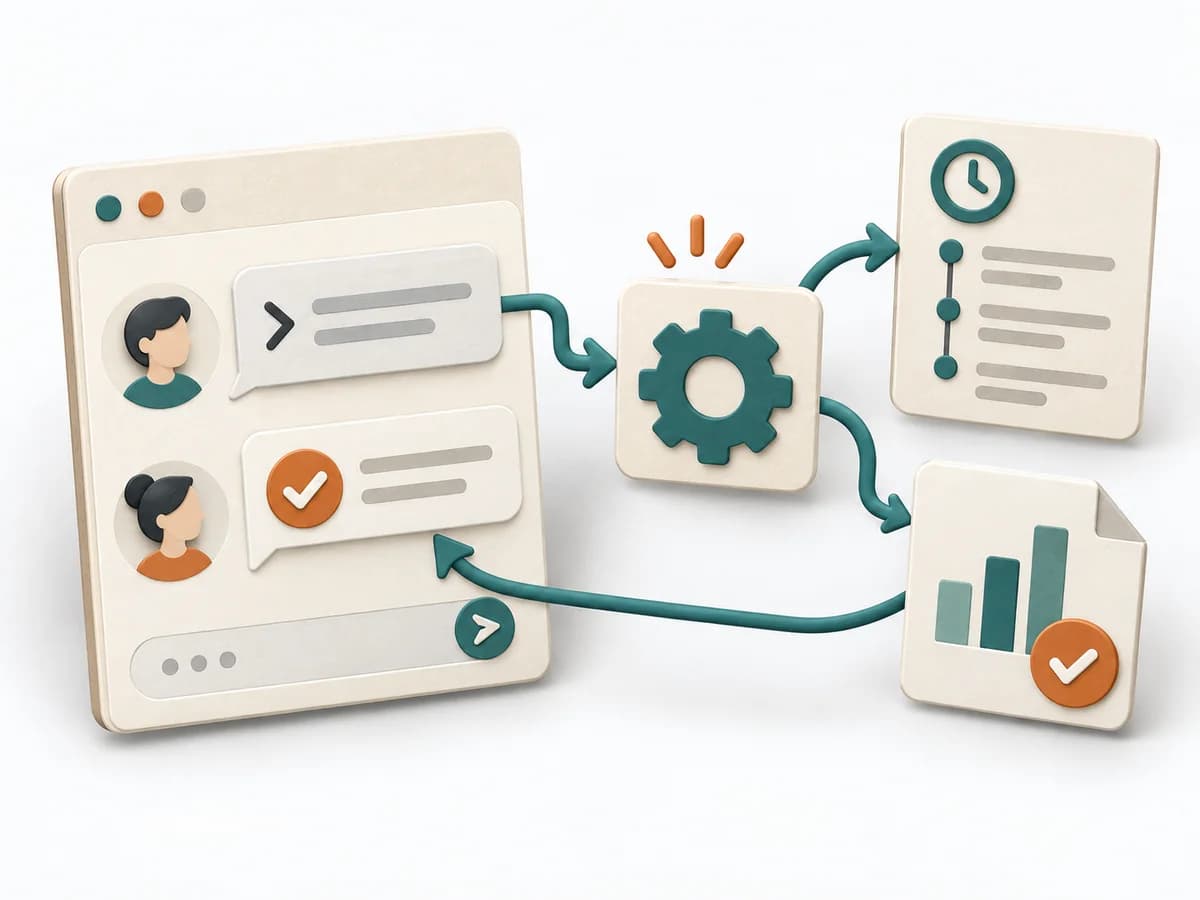 DevOps ChatOps |  Innovation Rolestorming |  Innovation Lotus Blossom |
|---|---|---|---|---|
Purposedifferent | For an event with a complicated course, the method breaks down the contributing factors along the timeline. It shows how conditions, decisions, and reactions together produce a course of events. | For operational work in a distributed team, the method links communication with direct system control. It records decisions right where the signal, the context, and the execution come together. | When a search for ideas stalls, switching roles helps people step outside their own perspective and activate new logics of action. The method reduces habit because contributions arise from a different stance. This brings unfamiliar, often fitting solution approaches into play. | When a central question feels too large, the method breaks it into neighboring topic fields with their own depth of ideation. It holds structure and openness at the same time, so adjacent perspectives don't get lost. This grows an idea space out of a core problem. |
Complexitydifferent | High | Medium | Low | Low |
Timedifferent | 2-6 h | Ongoing | 30-60 min | 45-90 min |
Participantsdifferent | 3-10 | 2-20 | 3-12 | 3-10 |
Formatdifferent | Workshop + async | Workshop + async | Workshop | Workshop |
Outputdifferent | Event Timeline, Causal Factor Chart, Cause List, Corrective Actions | Chat Transcript, Action Log, Automations | Rollenkarten, Ideenpool pro Rolle, Konsolidierte Shortlist | Lotus Diagram, Idea Themes, Shortlist |
Tagsno overlap | CausalityIncidentRoot causeTimeline | CollaborationEngineeringIncident | BrainstormingIdeationCreativity | BrainstormingIdeationCreativityDivergenceWorkshop |