View methods side by side.
Choose up to four methods. Add them using the search and share the comparison by copying its link.
| Criterion | 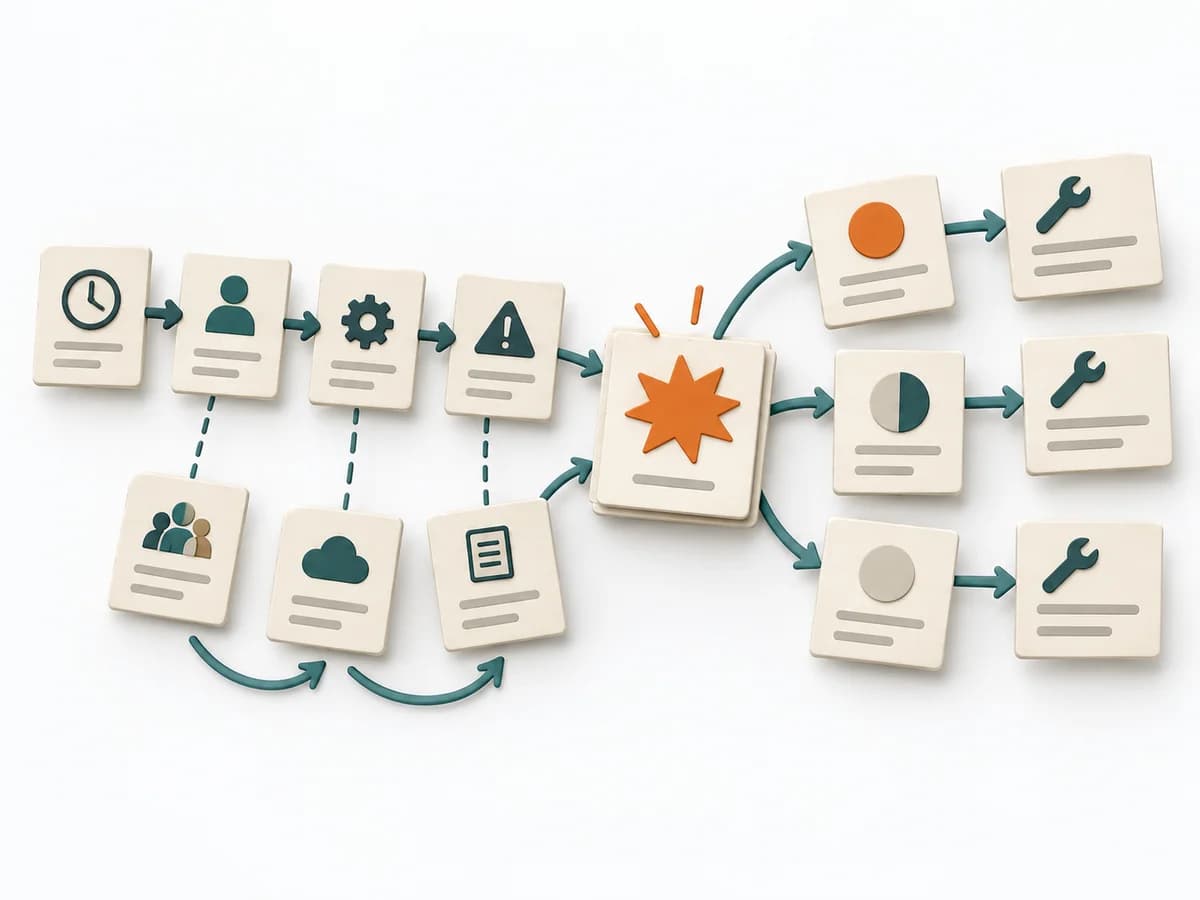 Operations Causal Factor Analysis | 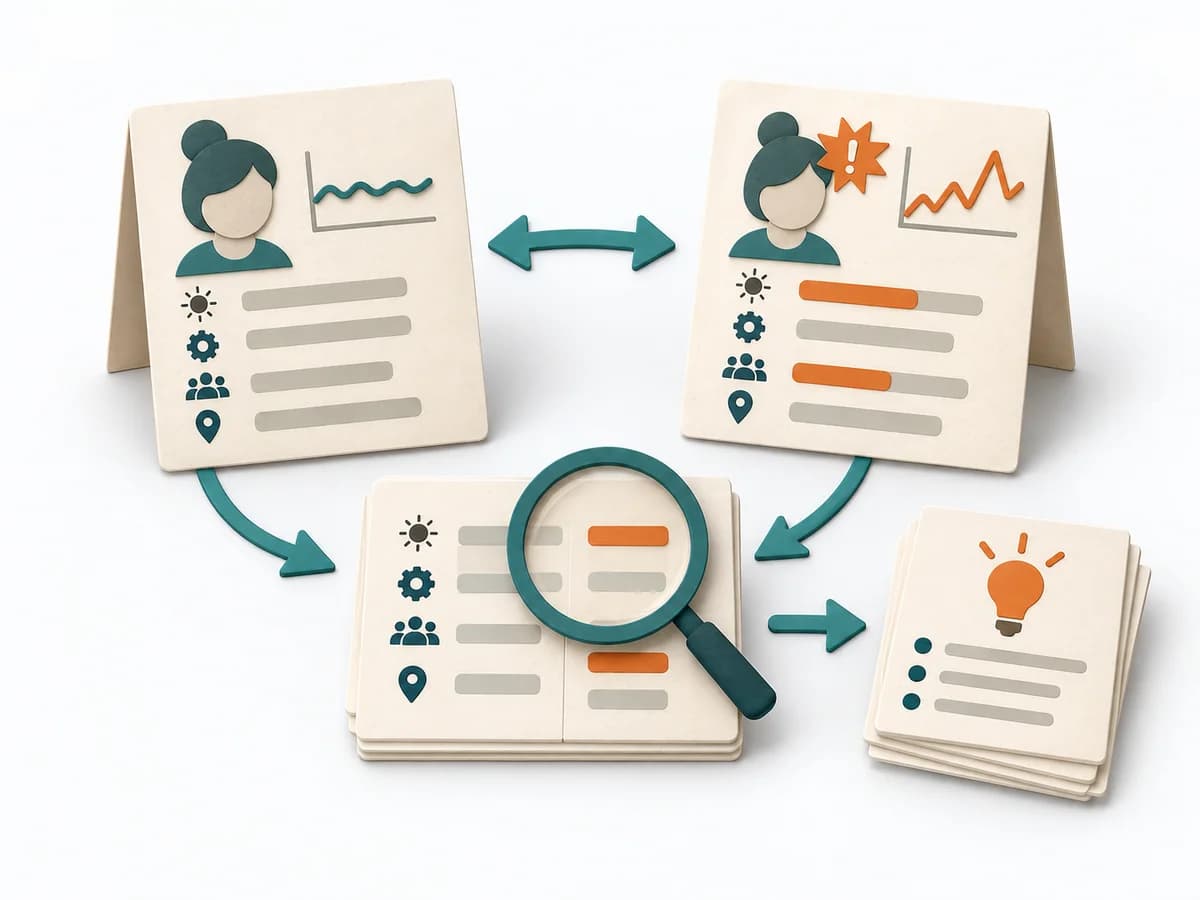 Operations Change Analysis |  Operations 5 Whys | 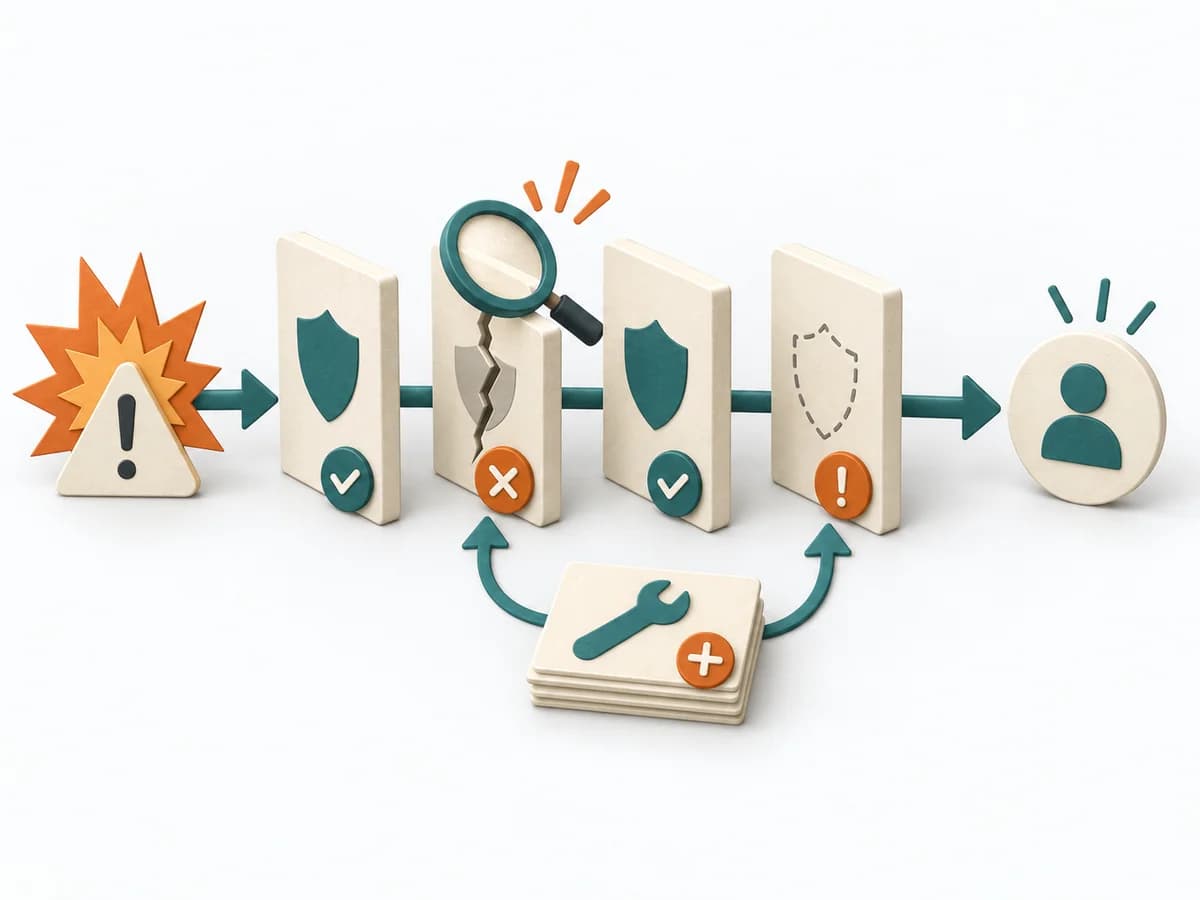 Operations Barrier Analysis |
|---|---|---|---|---|
Purposedifferent | For an event with a complicated course, the method breaks down the contributing factors along the timeline. It shows how conditions, decisions, and reactions together produce a course of events. | For a deviation after a change, the method isolates the influence of the altered condition. It narrows down which differences are relevant and which are just accompanying noise. | For a single, hard-to-explain deviation, the method exposes the causal chain behind the visible symptom. It keeps the cause open until a controllable condition emerges instead of a mere description. | For a risk that can only be managed through multiple layers of protection, the method examines the effectiveness of each barrier. It shows where safeguards are missing, too weak, or fail under real conditions. |
Complexitydifferent | High | Medium | Low | Medium |
Timedifferent | 2-6 h | 45-120 min | 15-30 min | 2-4 h |
Participantsdifferent | 3-10 | 2-6 | 2-6 | 2-6 |
Formatdifferent | Workshop + async | Workshop + async | Workshop | Workshop + async |
Outputdifferent | Event Timeline, Causal Factor Chart, Cause List, Corrective Actions | Change Matrix, Cause Hypotheses, Validation Questions, Action List | Root cause notes, Countermeasures | Barrier Inventory, Failure Analysis per Barrier, Action Backlog |
Tags1 shared | CausalityIncidentRoot causeTimeline | ChangeRoot causeTroubleshootingComparison | Root causeIncidentLeanProblem solving | Root causeSafetyIncident |