View methods side by side.
Choose up to four methods. Add them using the search and share the comparison by copying its link.
| Criterion | 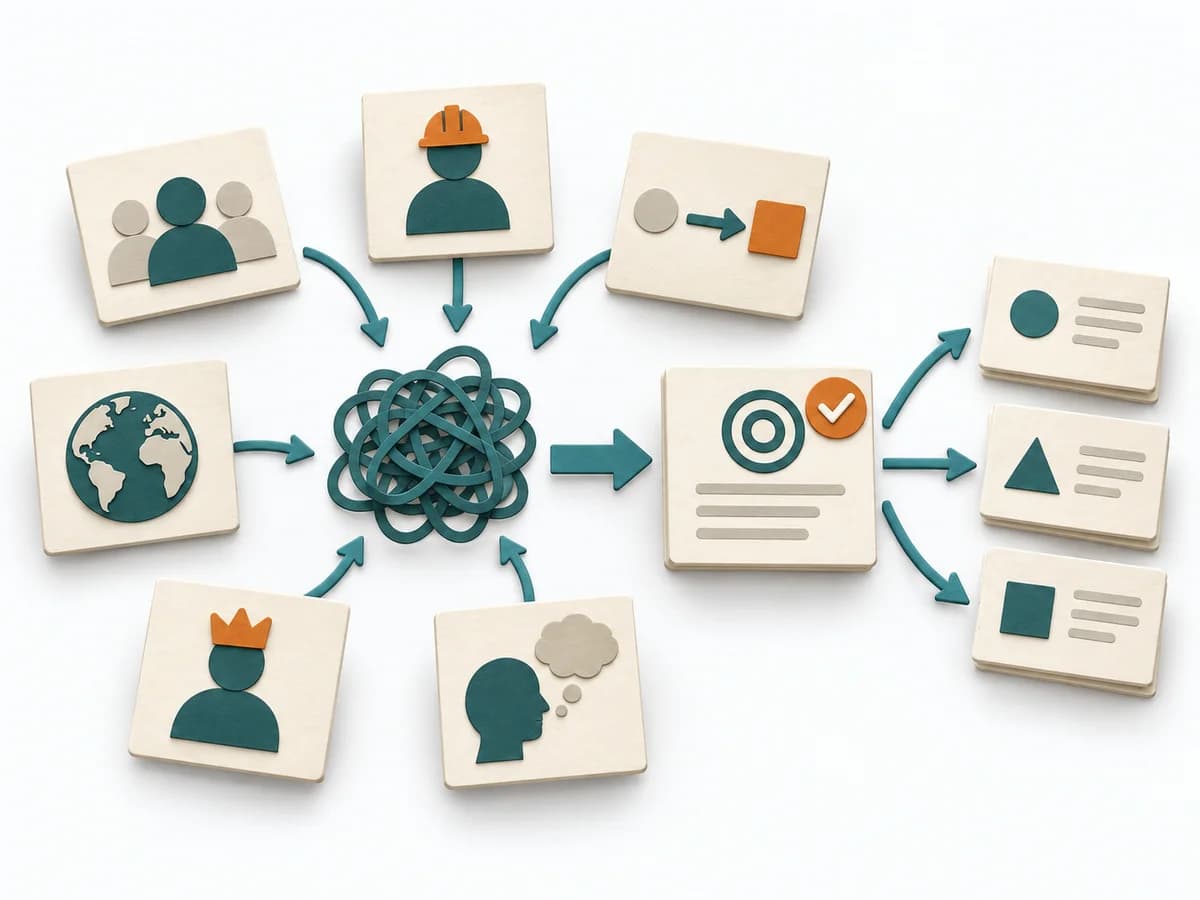 Systems Thinking CATWOE Analysis | 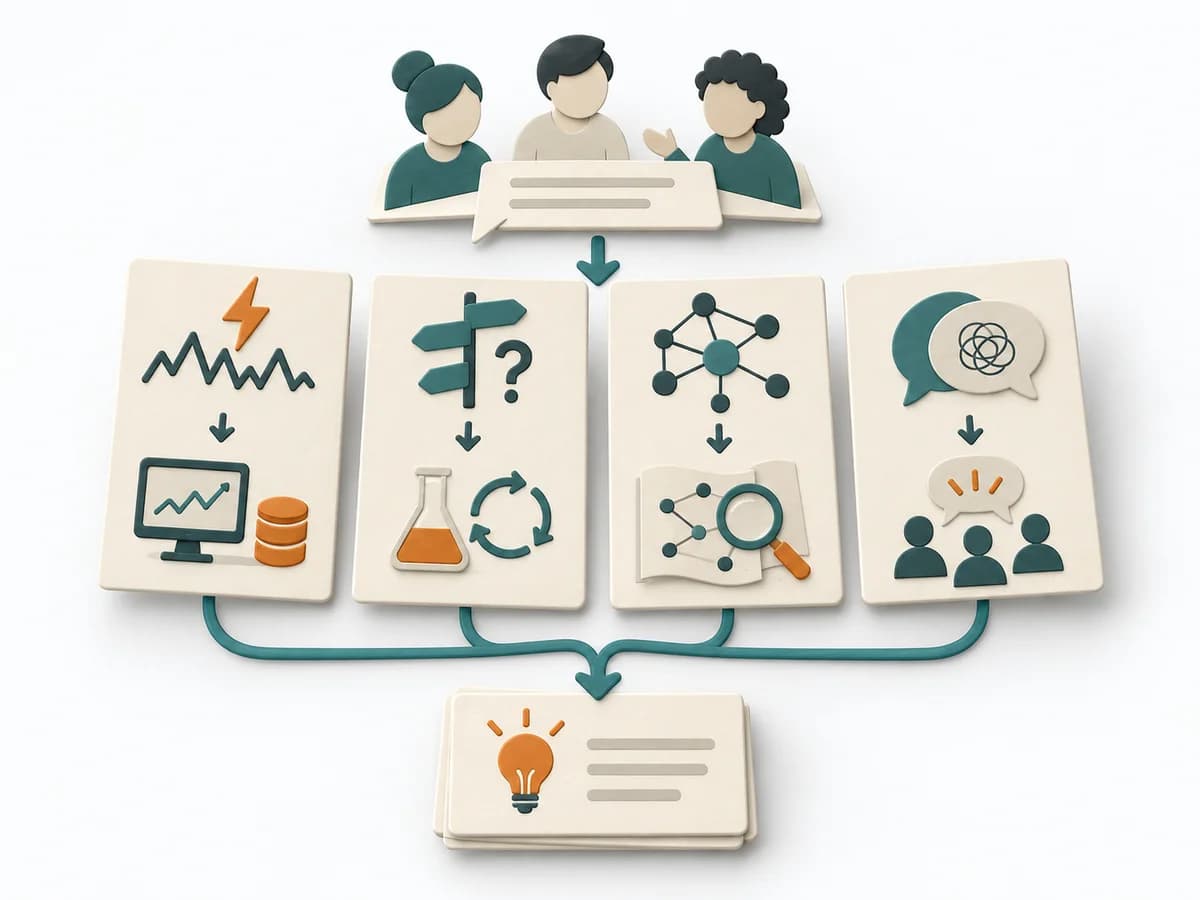 Systems Thinking VUCA Scan | 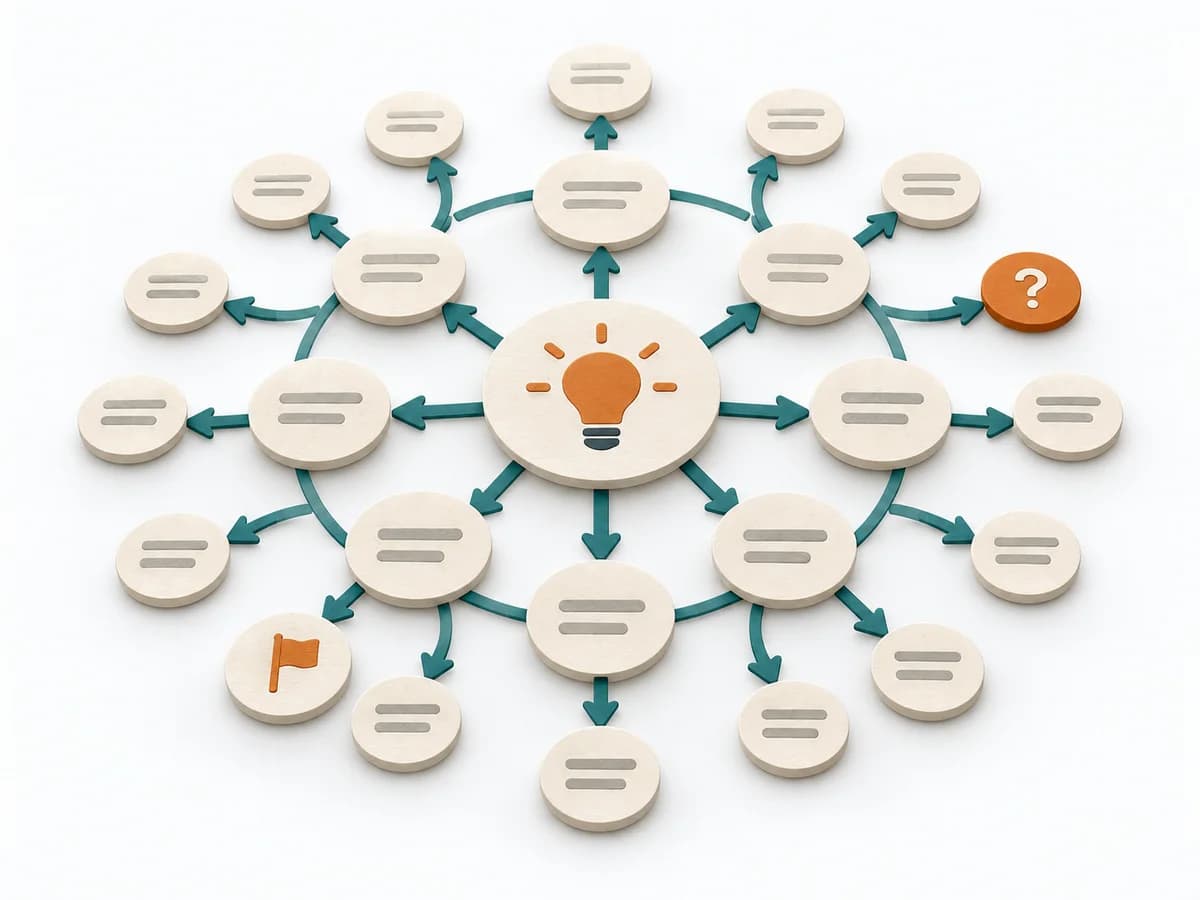 Systems Thinking Futures Wheel |  Facilitation Alignment Mapping |
|---|---|---|---|---|
Purposedifferent | CATWOE structures a problem from six viewpoints and prevents too narrow a view of the situation. Different experiences of the system become comparably discussable this way. | The VUCA Scan helps read difficult situations more precisely. Instead of treating unclarity as generally complicated, the method separates fast change, missing knowledge, systemic entanglement, and ambiguous interpretation. | The Futures Wheel helps explore the consequences of a decision, a trend, or a strategic move in a structured way. It makes visible which first, second, and third-order effects could arise from an event. | When several people work toward one goal but hold different mental maps, Alignment Mapping makes the discrepancies visible. It arranges goals, assumptions, and priorities so shared direction becomes verifiable. |
Complexitydifferent | Medium | Low | Medium | Medium |
Timedifferent | 45-90 min | 30-90 min | 60-120 min | 1-2 h |
Participantsdifferent | 3-8 | 1-10 | 3-10 | 4-12 |
Formatdifferent | Workshop + async | Workshop + async | Workshop + async | Workshop |
Outputdifferent | CATWOE Canvas, Root Definition, Stakeholder Perspectives, Constraints | VUCA Map, Response Options, Signal and Learning Plan | Futures Wheel, Consequence Chains, Strategic Signals | Alignment Map, Open Issues, Decision Questions |
Tagsno overlap | Systems thinkingFramingStakeholders | SensemakingUncertaintyComplexityStrategyForesight | ForesightSystems thinkingSignals | AlignmentStakeholdersStrategyFacilitation |