View methods side by side.
Choose up to four methods. Add them using the search and share the comparison by copying its link.
| Criterion |  Systems Thinking CATWOE Analysis | 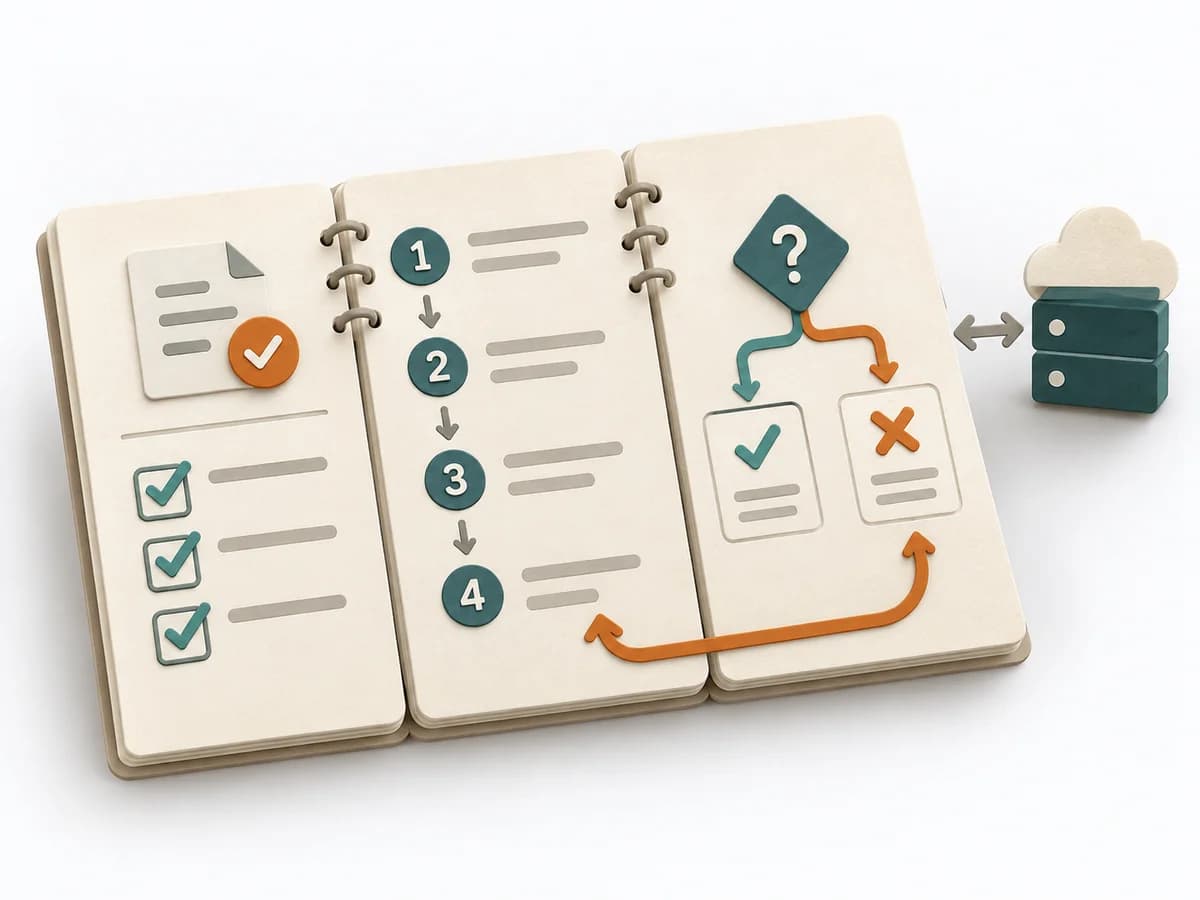 Operations Runbook | 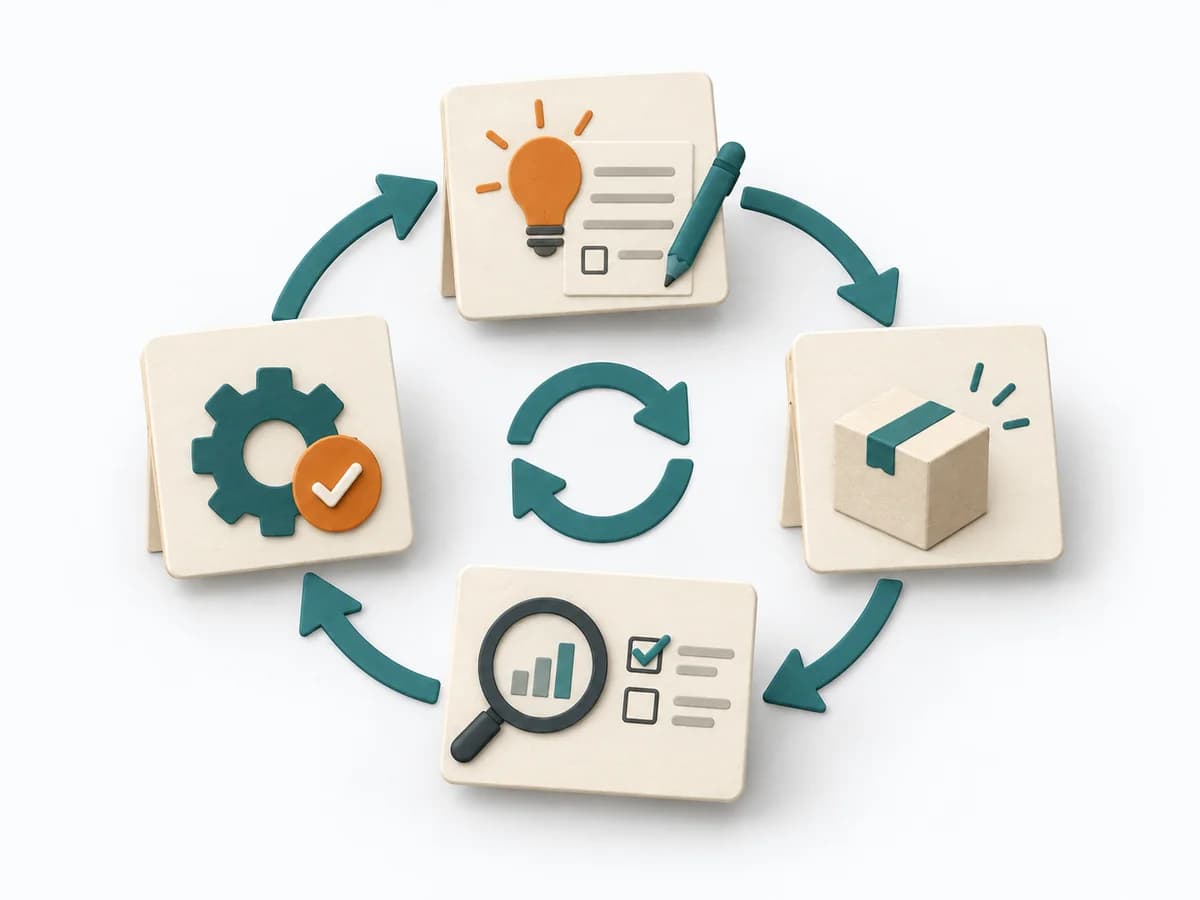 Operations PDCA Cycle |  DevOps Incident Command |
|---|---|---|---|---|
Purposedifferent | CATWOE structures a problem from six viewpoints and prevents too narrow a view of the situation. Different experiences of the system become comparably discussable this way. | For recurring operational tasks or incidents, the method keeps solid action logic ready. It reduces uncertainty when time pressure, role changes, or rare situations demand fast access. | For an improvement that still has to prove itself in everyday work, the method runs it through small learning loops. It connects planning, checking, and standardization into a repeatable learning mode. | During an acute incident with several people involved, the method creates a clear leadership and communication structure. It reduces chaos when fast coordination and clean situational awareness are both needed at once. |
Complexitydifferent | Medium | Low | Low | Medium |
Timedifferent | 45-90 min | 20-60 min | 1 h bis mehrere Wochen | As needed |
Participantsdifferent | 3-8 | 1-4 | 1-8 | 4-15 |
Formatdifferent | Workshop + async | Async | Workshop + async | Workshop + async |
Outputdifferent | CATWOE Canvas, Root Definition, Stakeholder Perspectives, Constraints | Runbook, Checklist, Escalation Path | PDCA Log, Experiment Plan, Learning Outcome, Standard Change | Incident Log, Action Tracker, Stakeholder Updates |
Tagsno overlap | Systems thinkingFramingStakeholders | OperationsReliabilityDocumentation | Continuous improvementLeanExperiments | IncidentOperationsReliability |