View methods side by side.
Choose up to four methods. Add them using the search and share the comparison by copying its link.
| Criterion |  Systems Thinking CATWOE Analysis | 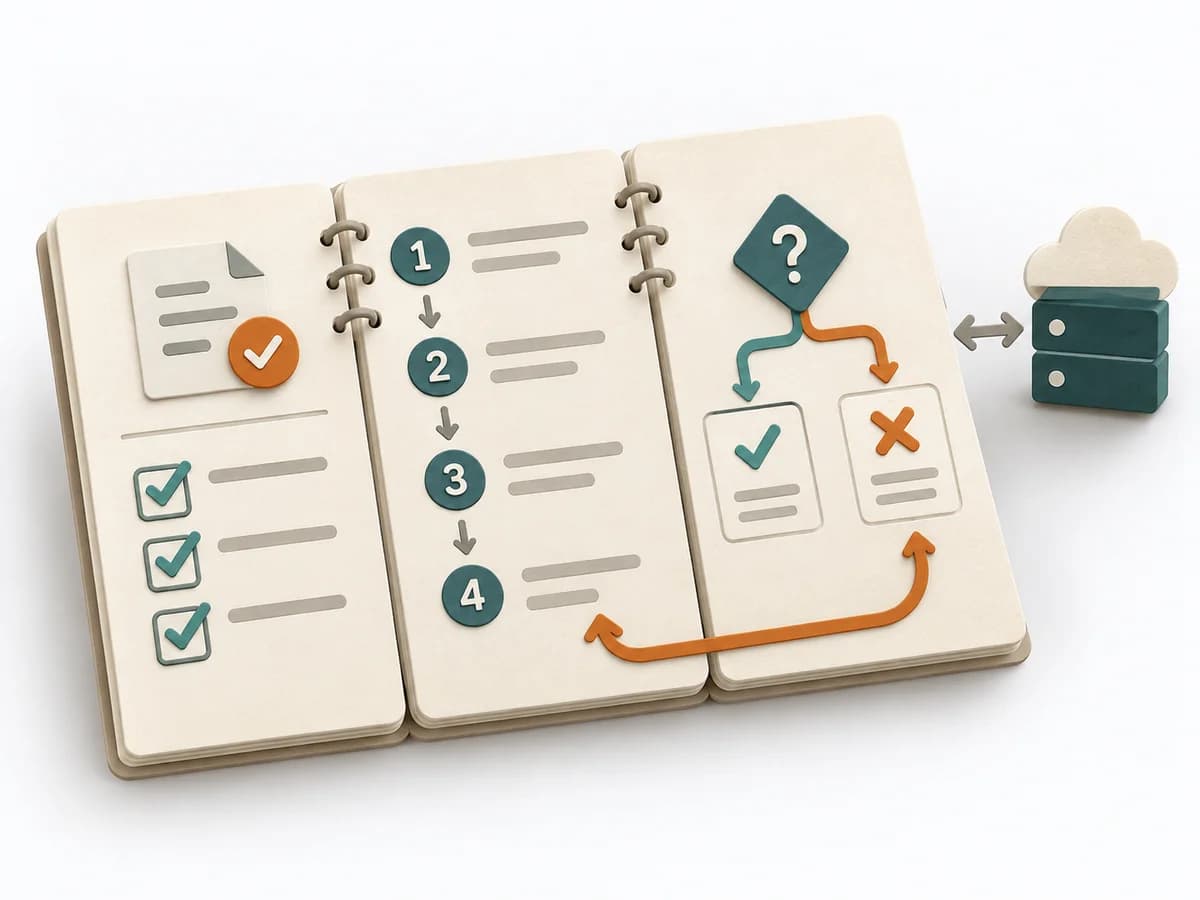 Operations Runbook |  Operations Gemba Walk | 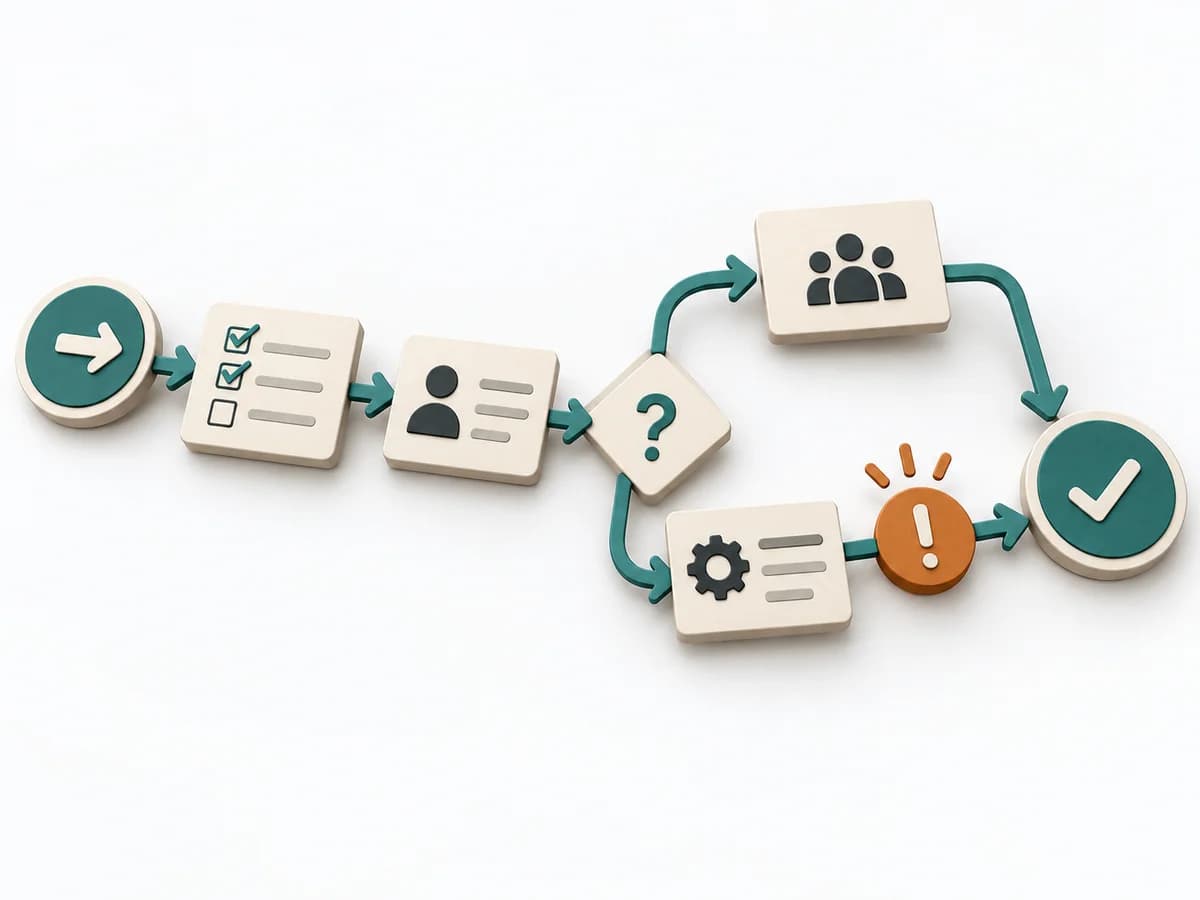 Operations Process Mapping |
|---|---|---|---|---|
Purposedifferent | CATWOE structures a problem from six viewpoints and prevents too narrow a view of the situation. Different experiences of the system become comparably discussable this way. | For recurring operational tasks or incidents, the method keeps solid action logic ready. It reduces uncertainty when time pressure, role changes, or rare situations demand fast access. | When there is uncertainty about the real course of a process, the method brings observation to the place where work happens. It combines perception, follow-up questions, and process knowledge so decisions rest on actual workflows instead of assumptions. | With a confusing workflow that has many handoffs, the method makes the actual process visible. It shows where work is passed on, delayed, or duplicated, so improvement targets the right spots. |
Complexitydifferent | Medium | Low | Low | Medium |
Timedifferent | 45-90 min | 20-60 min | 30-120 min | 1-3 h |
Participantsdifferent | 3-8 | 1-4 | 2-6 | 3-10 |
Formatdifferent | Workshop + async | Async | Workshop | Workshop |
Outputdifferent | CATWOE Canvas, Root Definition, Stakeholder Perspectives, Constraints | Runbook, Checklist, Escalation Path | Observation Notes, Improvement Ideas | Process Map, Handoff List, Improvement Backlog |
Tagsno overlap | Systems thinkingFramingStakeholders | OperationsReliabilityDocumentation | LeanObservationProcessOperations | ProcessOperationsImprovement |