View methods side by side.
Choose up to four methods. Add them using the search and share the comparison by copying its link.
| Criterion | 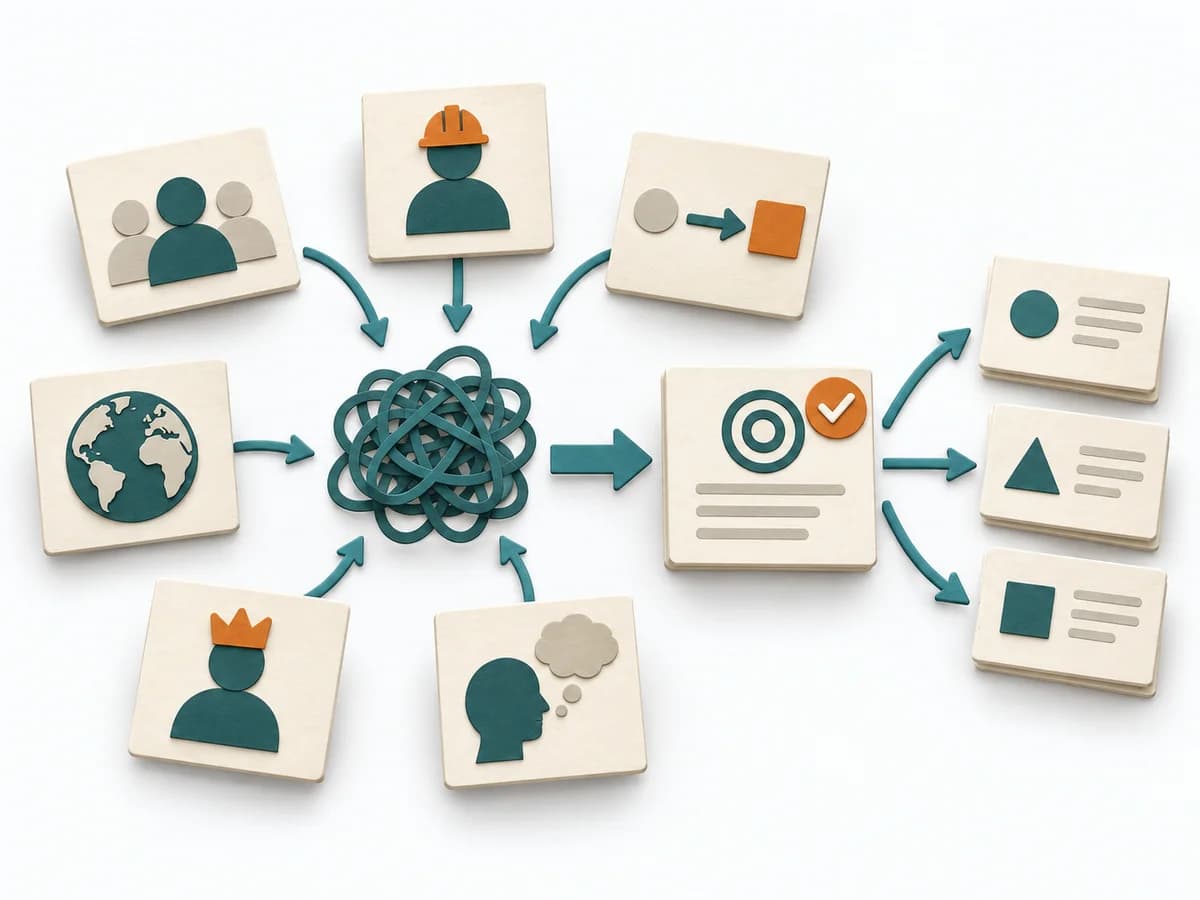 Systems Thinking CATWOE Analysis | 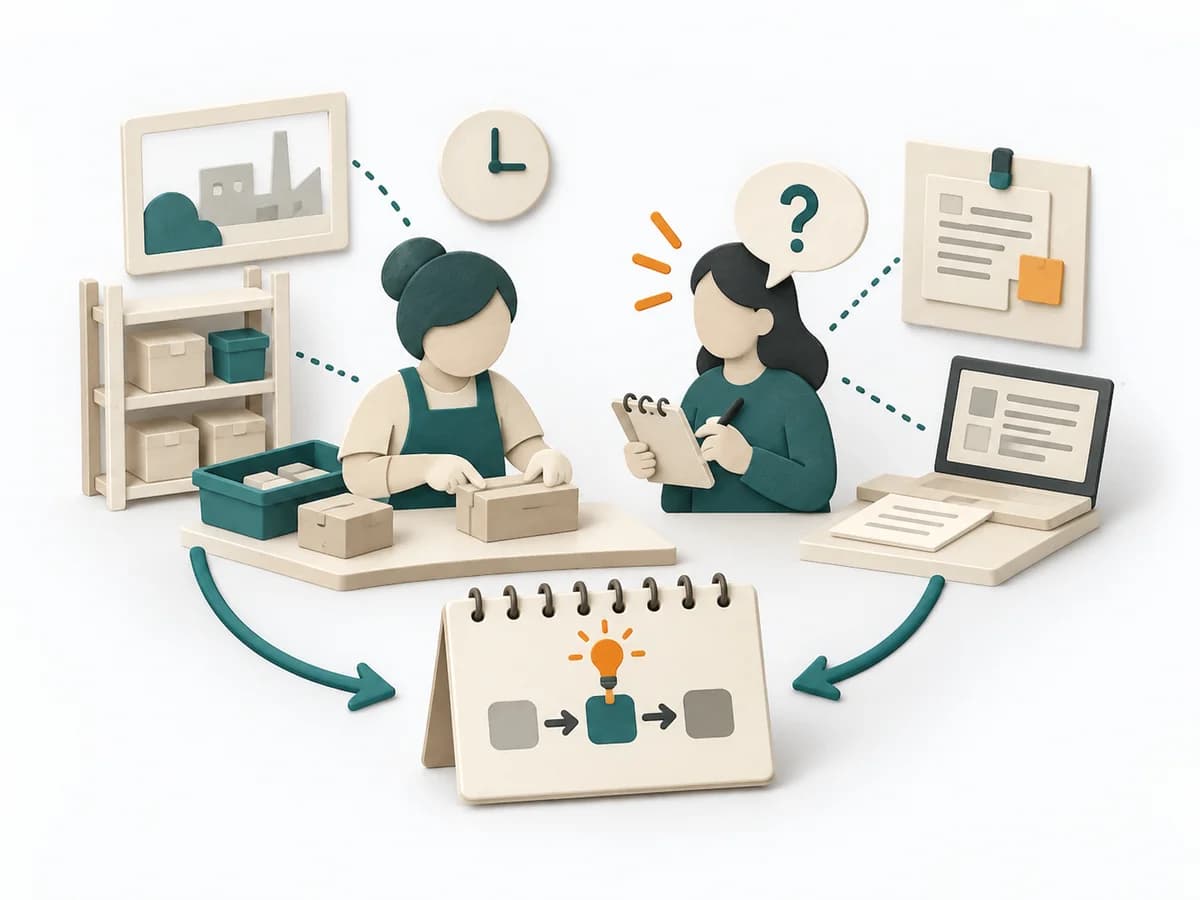 UX Research Contextual Inquiry | 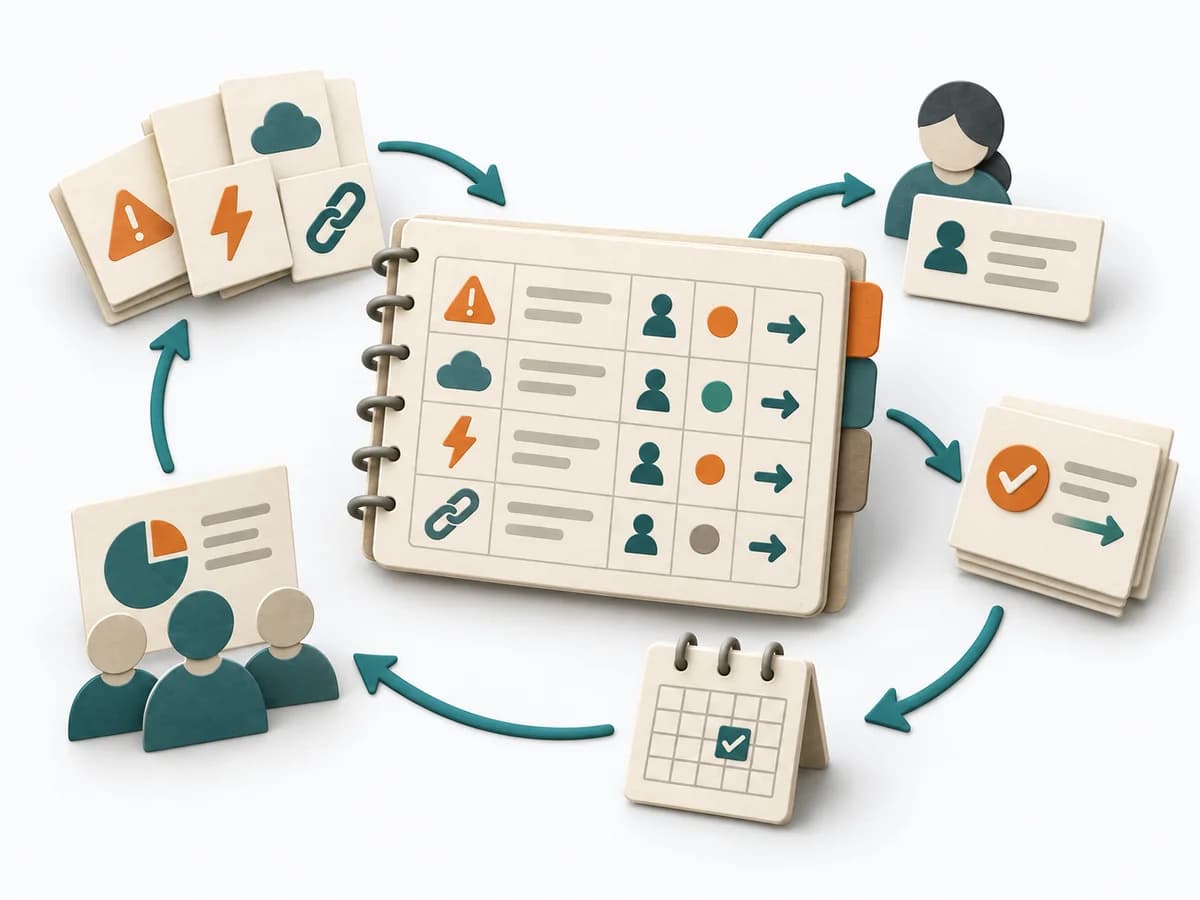 Delivery RAID Log | 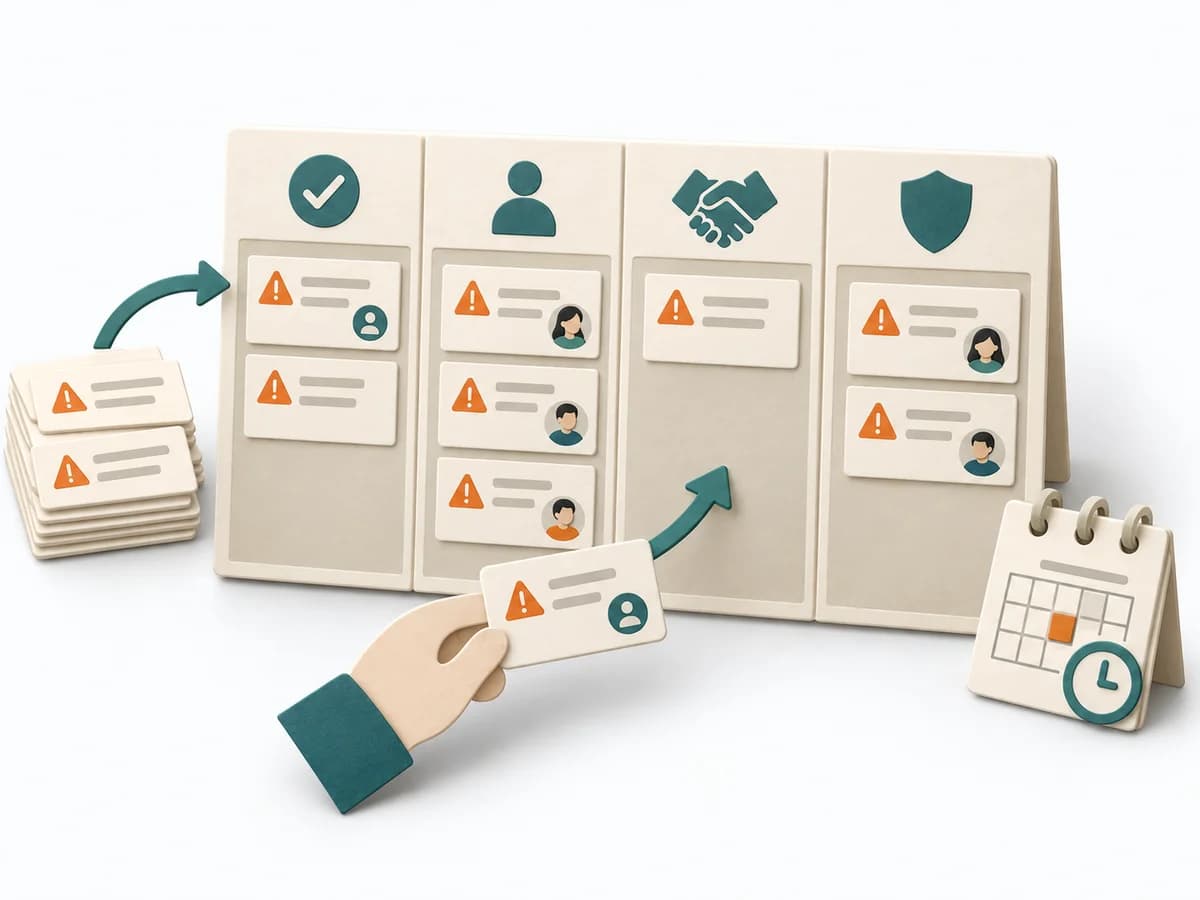 Agile ROAM Board |
|---|---|---|---|---|
Purposedifferent | CATWOE structures a problem from six viewpoints and prevents too narrow a view of the situation. Different experiences of the system become comparably discussable this way. | When work processes are known only from accounts and the real context stays hidden, Contextual Inquiry makes behavior at the workplace visible. Observation and follow-up questions together show how people actually work, get interrupted, and improvise. | Helps clarify scope, sequence, and delivery flow in concrete terms. It makes work, boundaries, and order steerable. The result is captured as a RAID Log and a source for status reporting. | When work needs to move between different states or columns, it makes that movement and its handoffs legible. It sorts work by value, risk, and delivery ability. The result is captured as a ROAM Board and an Owner List. |
Complexitydifferent | Medium | Medium | Low | Low |
Timedifferent | 45-90 min | 1-3 Wochen | 30 min Setup, dann laufend | 20-40 min initial, dann laufend |
Participantsdifferent | 3-8 | 4-12 Beobachtungen | 1-3 maintaining, briefing for everyone | 3-15 |
Formatdifferent | Workshop + async | Workshop + async | Async | Workshop + async |
Outputdifferent | CATWOE Canvas, Root Definition, Stakeholder Perspectives, Constraints | Field Notes, Workflow Insights, Pain Points | RAID Log, Status Report Source | ROAM Board, Owner List |
Tagsno overlap | Systems thinkingFramingStakeholders | UX researchObservationContext | RiskTrackingStakeholdersGovernance | RiskAgileTrackingAlignment |