View methods side by side.
Choose up to four methods. Add them using the search and share the comparison by copying its link.
| Criterion | 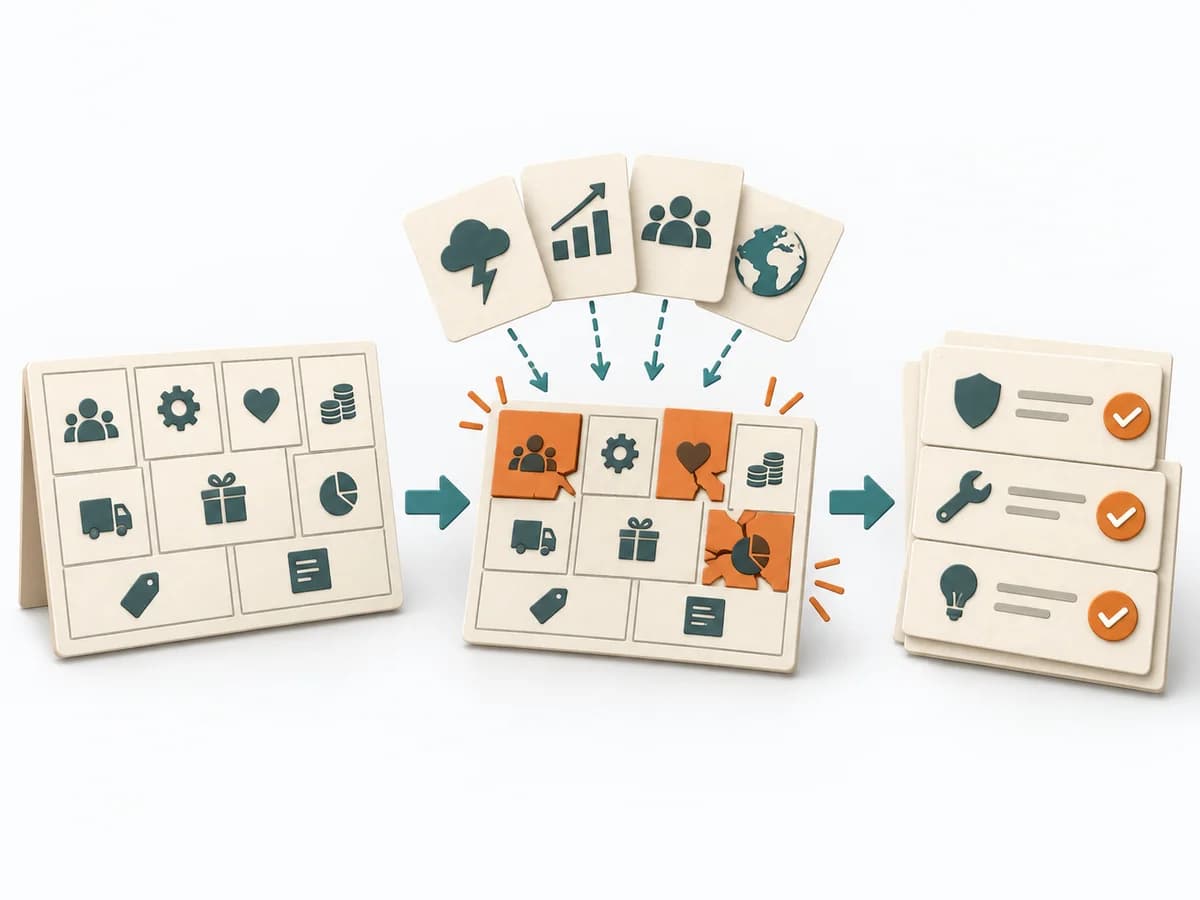 Business Strategy Business Model Stress Test | 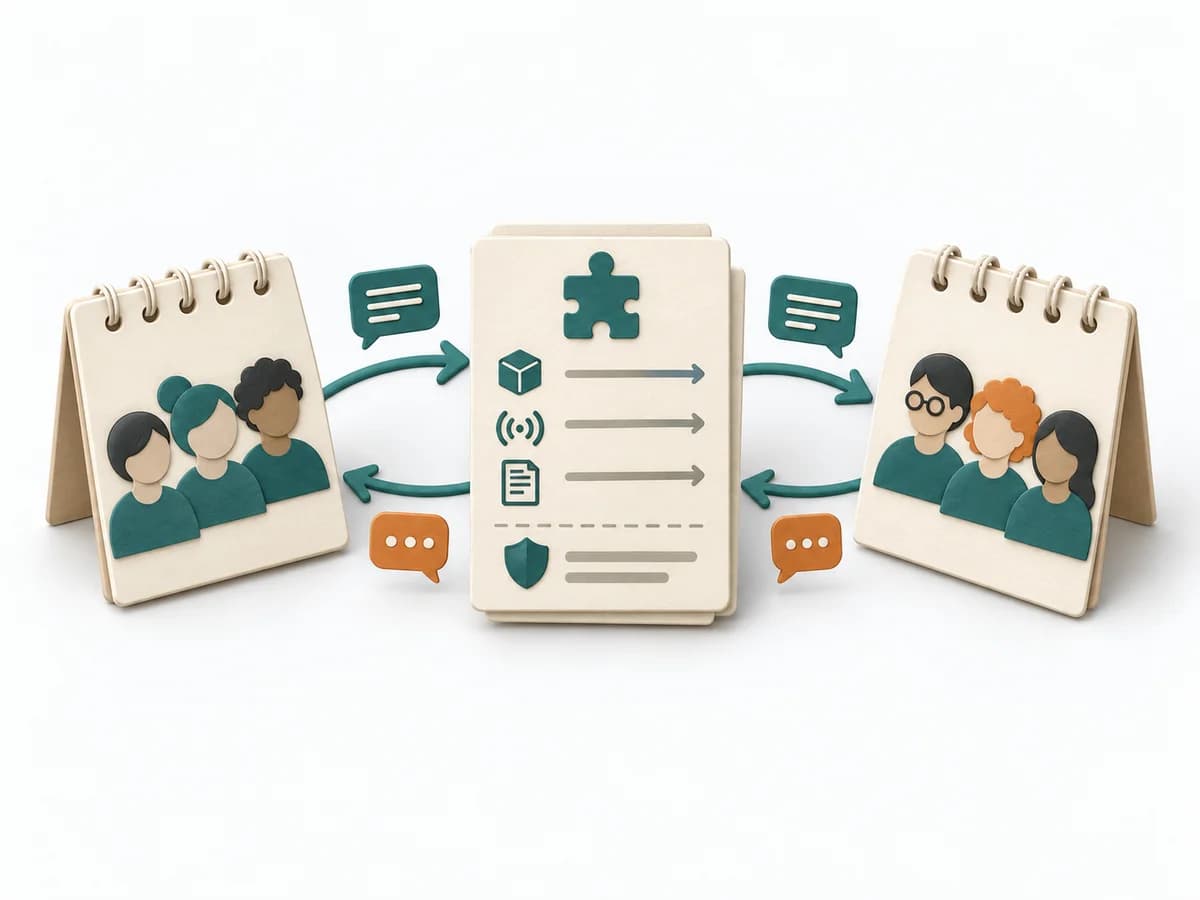 Team Design Team API |  Facilitation Stakeholder Mapping |  Facilitation Power Interest Grid |
|---|---|---|---|---|
Purposedifferent | A Business Model Stress Test checks how well a business model holds up under pressure and headwinds. It compares strengths, risks, market logic, and courses of action. The result is captured as a stress-test report and action plan per scenario. | When expectations between teams stay fuzzy, it describes how a team can be reached, used, and held accountable. It clarifies responsibility, interaction, and load between teams. The result is captured as a Team API document. | When an initiative depends on many people, interests, and power dynamics, Stakeholder Mapping systematically orders the environment. It shows who influences, who is affected, and where relationship management or safeguarding matters first. | When many stakeholders compete for attention at once, the Power Interest Grid sorts them by influence and stake. It turns individual contributions into a visible selection. The result is captured as a Power Interest Grid and a stakeholder-specific strategy. |
Complexitydifferent | High | Low | Low | Low |
Timedifferent | Half day | Half day initial, dann laufend | 60–90 min | 30-60 min |
Participantsdifferent | 3-8 | Ein Team plus Stakeholder | 2-8 | 2-8 |
Formatdifferent | Workshop | Workshop + async | Workshop + async | Workshop |
Outputdifferent | Stress Test Report, Action Plan per Scenario | Team API Document | Stakeholder Map, Engagement Plan, Risk Notes | Power Interest Grid, Strategy per Stakeholder |
Tagsno overlap | StrategyBusiness modelRiskDiagnosis | TeamAlignmentCommunicationService | StakeholdersAlignmentFacilitationChange | StakeholdersFacilitationAlignmentPlanning |