View methods side by side.
Choose up to four methods. Add them using the search and share the comparison by copying its link.
| Criterion | 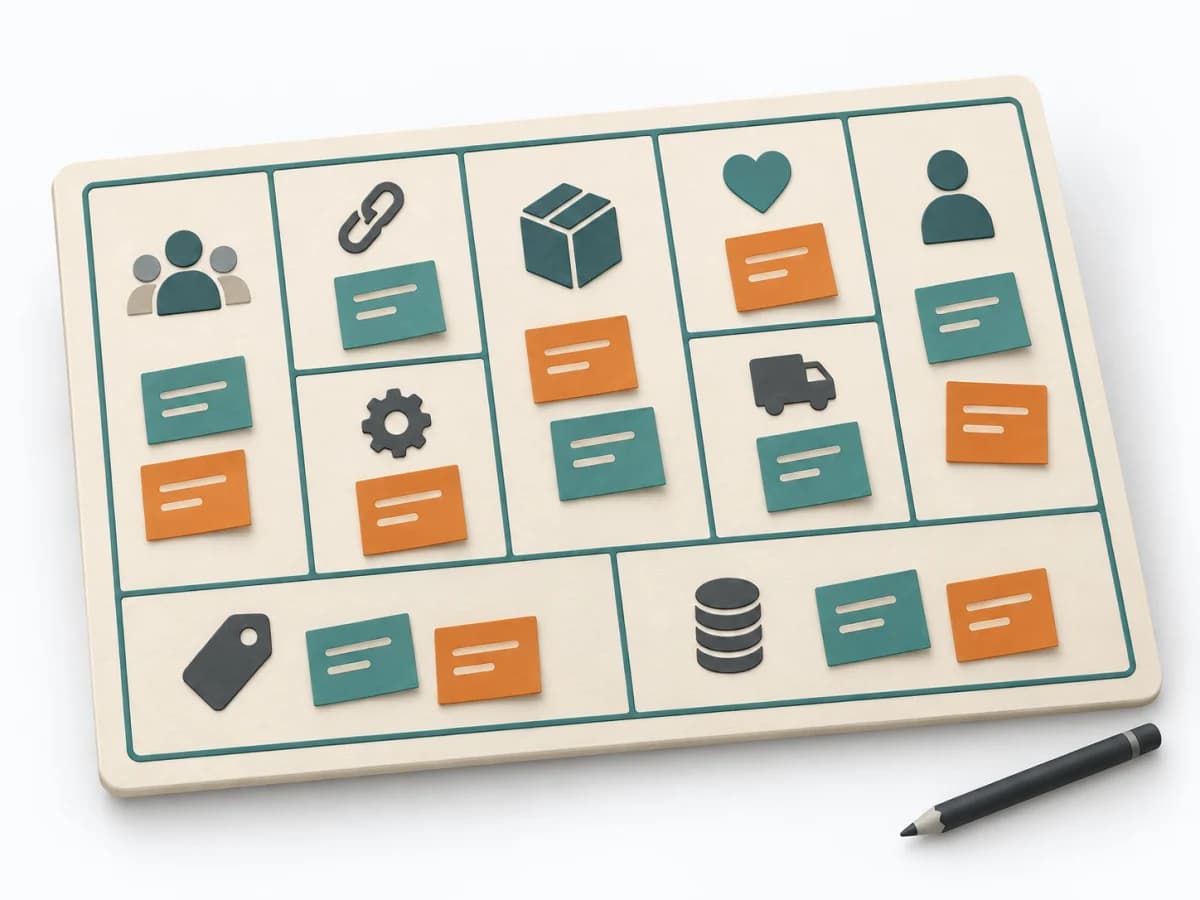 Business Strategy Business Model Canvas | 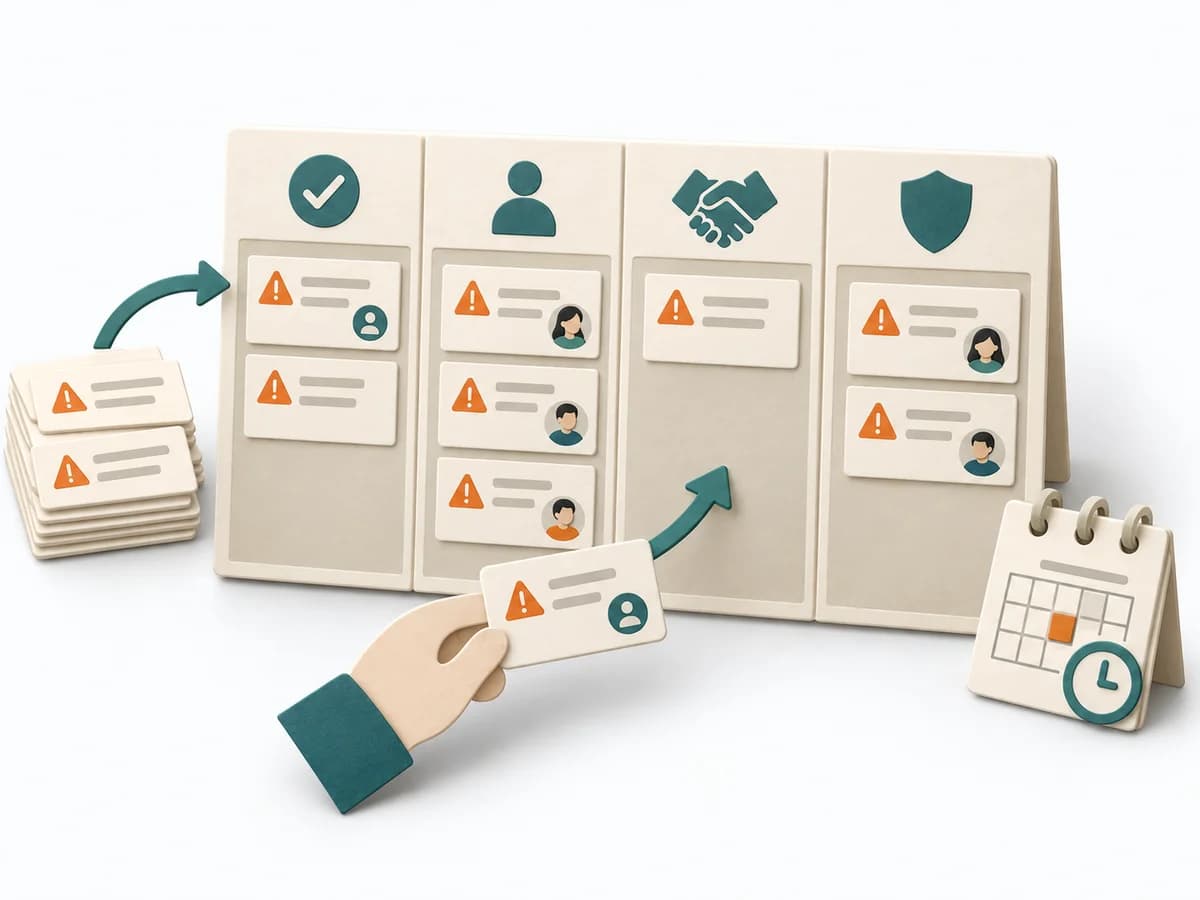 Agile ROAM Board | 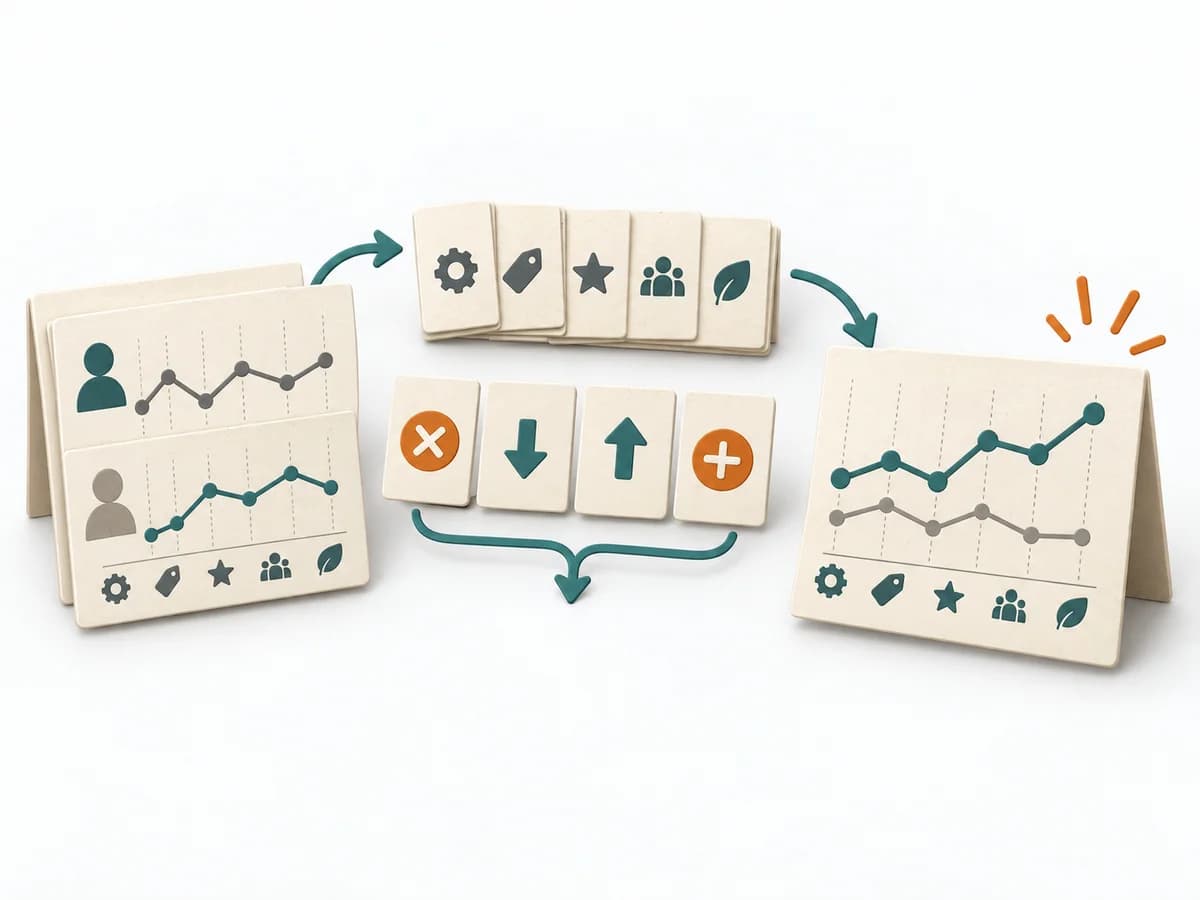 Business Strategy Blue Ocean Strategy Canvas |  Facilitation Alignment Mapping |
|---|---|---|---|---|
Purposedifferent | The Business Model Canvas condenses a business model to its key building blocks and assumptions. It makes variants quickly comparable and reveals gaps before validation or implementation begins. | When work needs to move between different states or columns, it makes that movement and its handoffs legible. It sorts work by value, risk, and delivery ability. The result is captured as a ROAM Board and an Owner List. | The Blue Ocean Strategy Canvas shows how an offering is positioned relative to the market. Differentiation thereby becomes tangible in value factors instead of merely being claimed. | When several people work toward one goal but hold different mental maps, Alignment Mapping makes the discrepancies visible. It arranges goals, assumptions, and priorities so shared direction becomes verifiable. |
Complexitydifferent | Medium | Low | Medium | Medium |
Timedifferent | 1-2 h | 20-40 min initial, dann laufend | 2-4 h | 1-2 h |
Participantsdifferent | 2-8 | 3-15 | 3-10 | 4-12 |
Formatdifferent | Workshop + async | Workshop + async | Workshop | Workshop |
Outputdifferent | Business Model Canvas, Assumption List, Business Hypotheses | ROAM Board, Owner List | Strategy Canvas, Value Curve, ERRC Actions | Alignment Map, Open Issues, Decision Questions |
Tagsno overlap | Business modelStrategyValueInnovation | RiskAgileTrackingAlignment | StrategyPositioningInnovationValue | AlignmentStakeholdersStrategyFacilitation |