View methods side by side.
Choose up to four methods. Add them using the search and share the comparison by copying its link.
| Criterion | 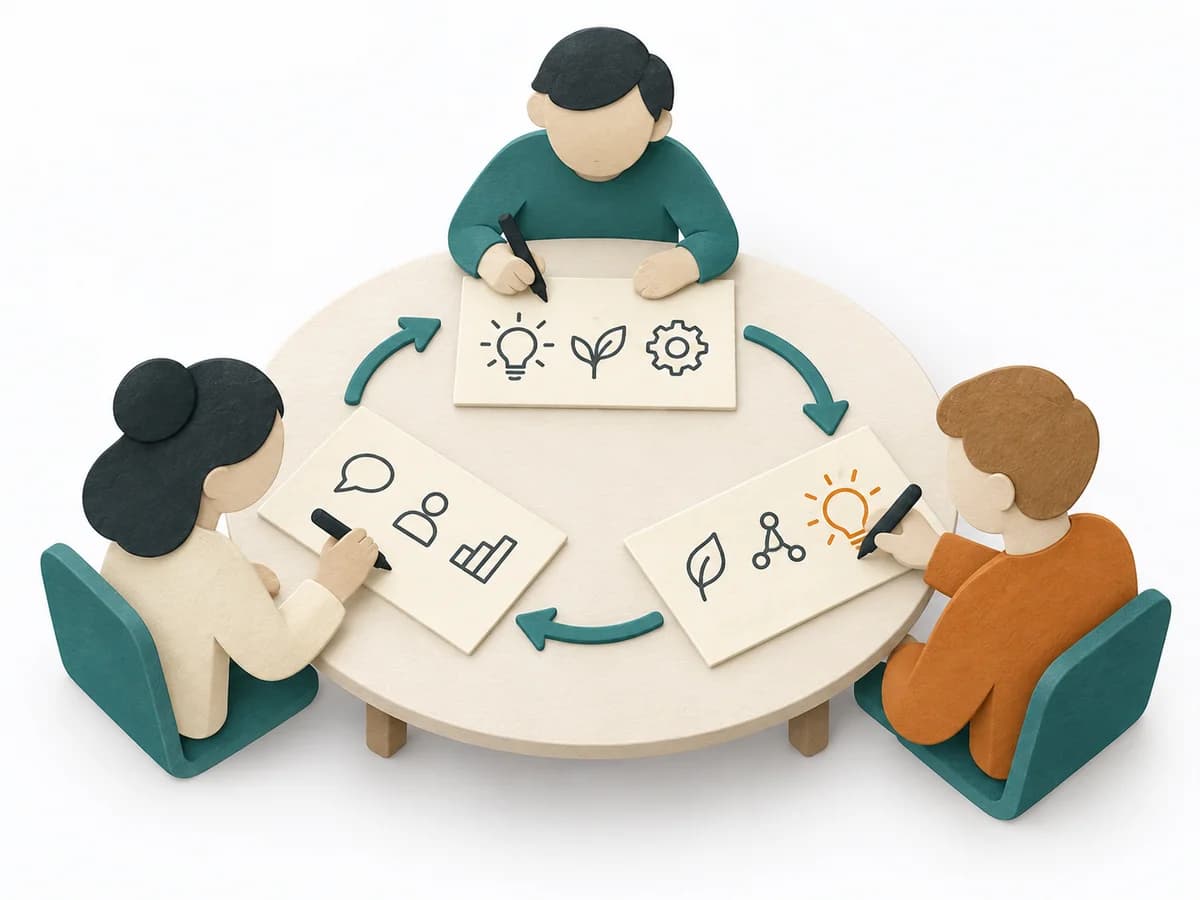 Innovation Brainwriting | 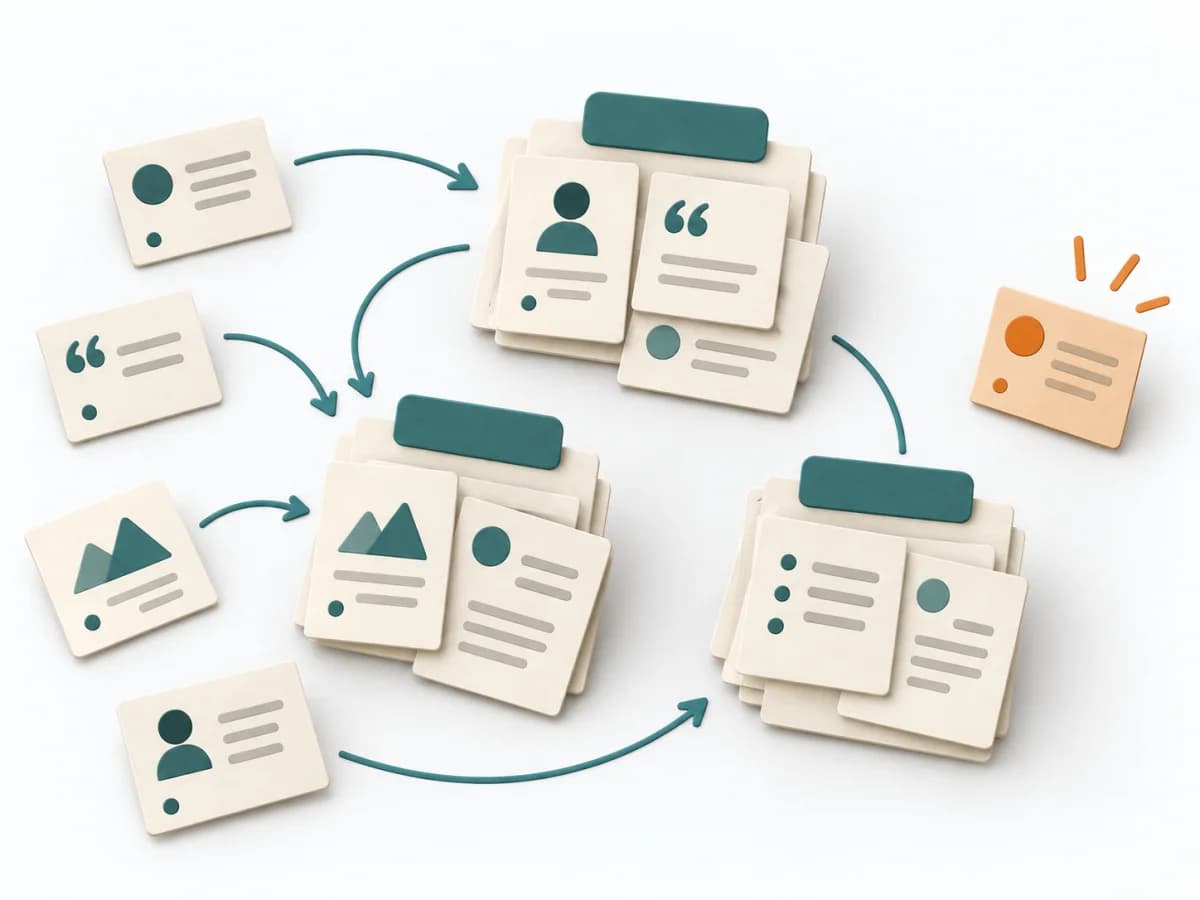 UX Research Affinity Diagramming | 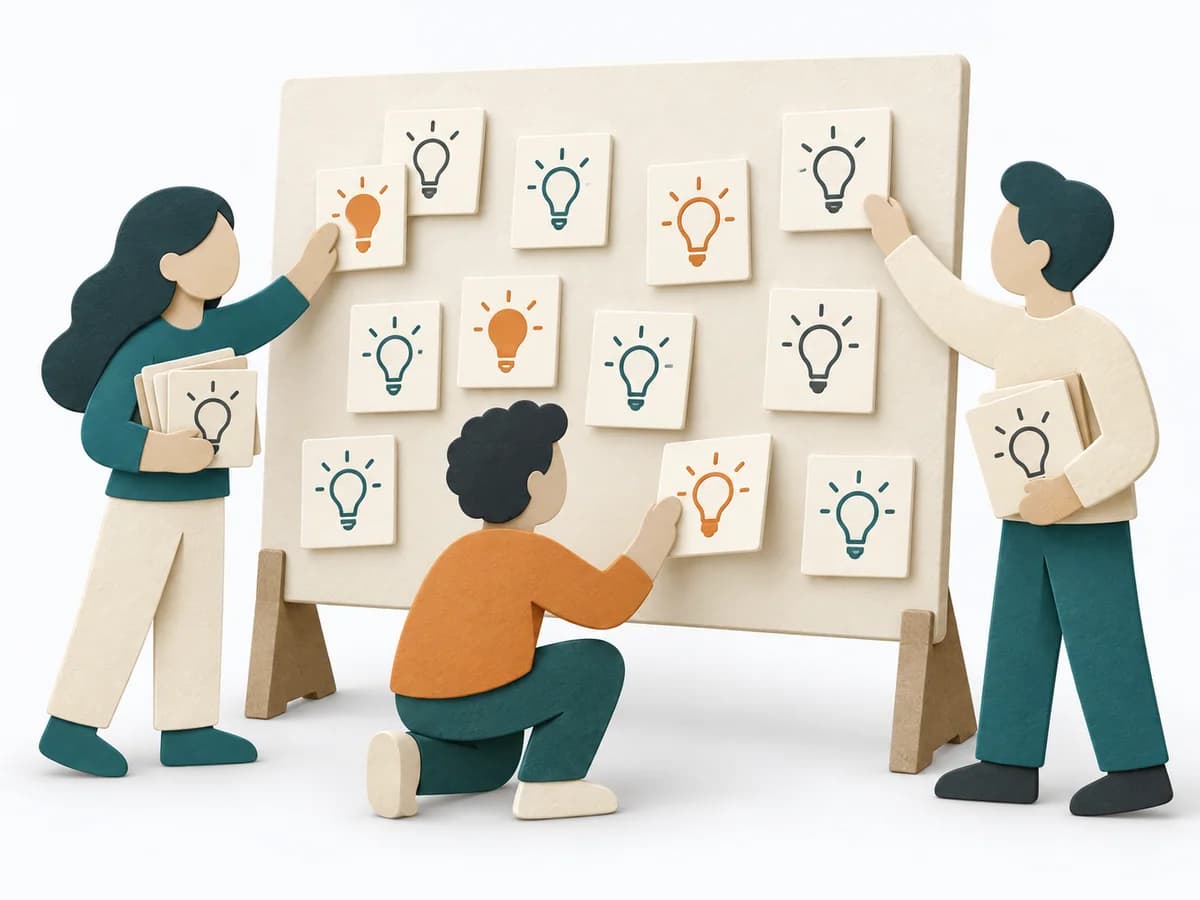 Innovation Brainstorming |
|---|---|---|---|
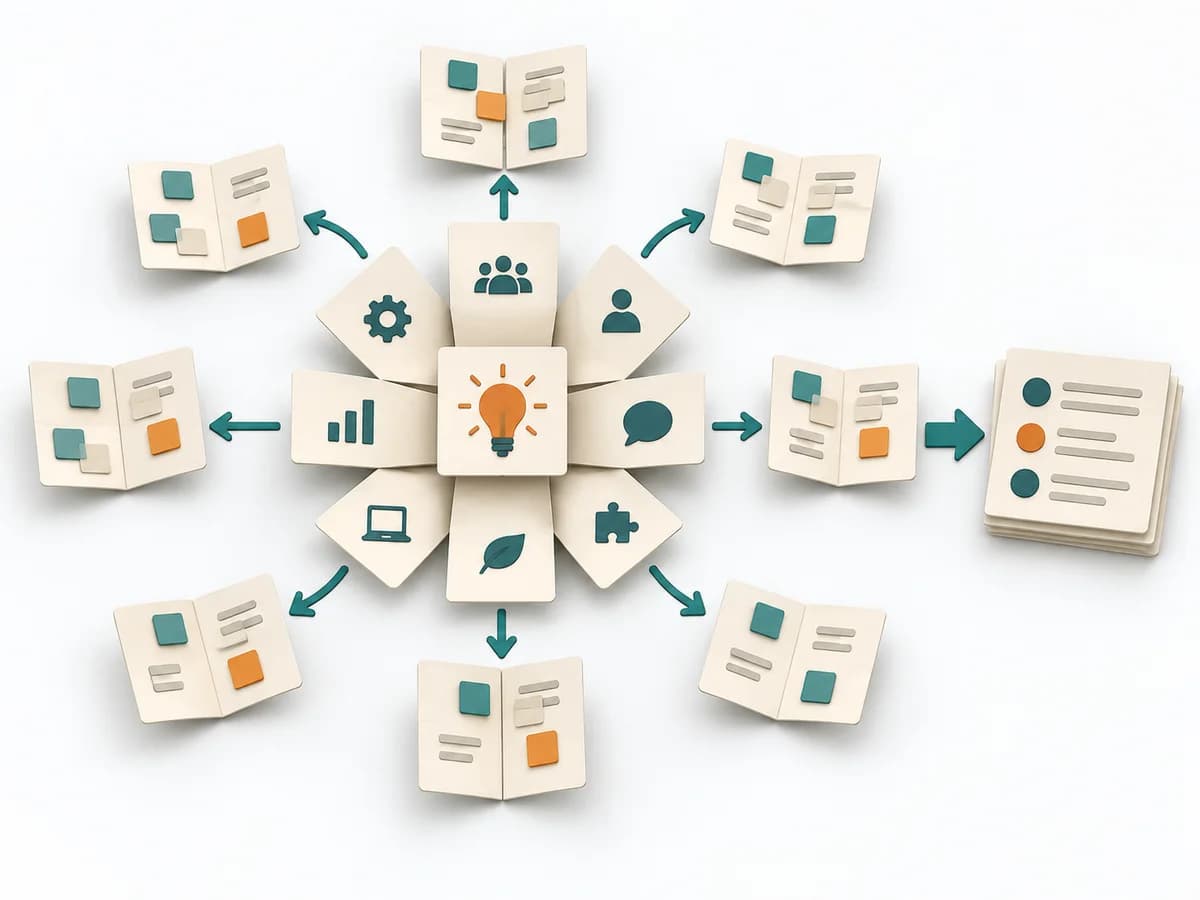
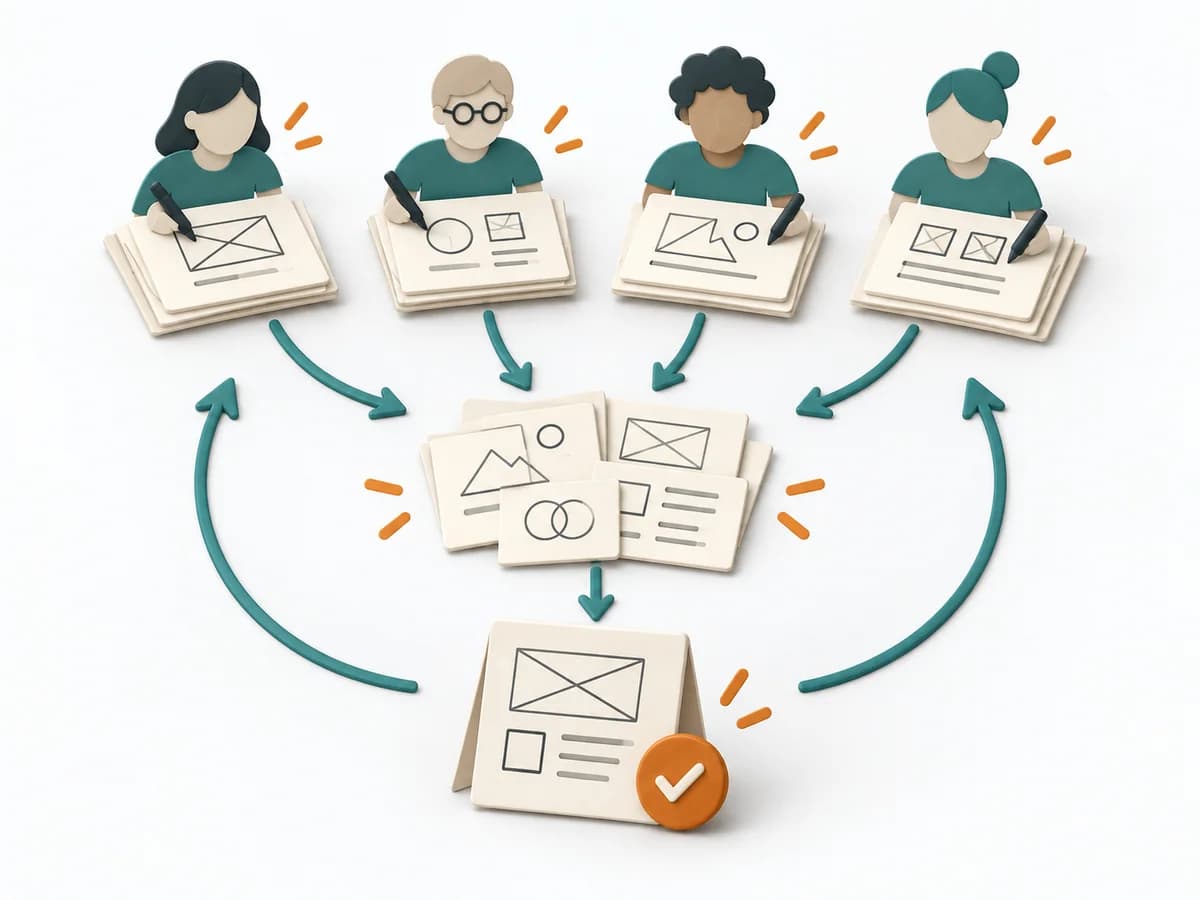
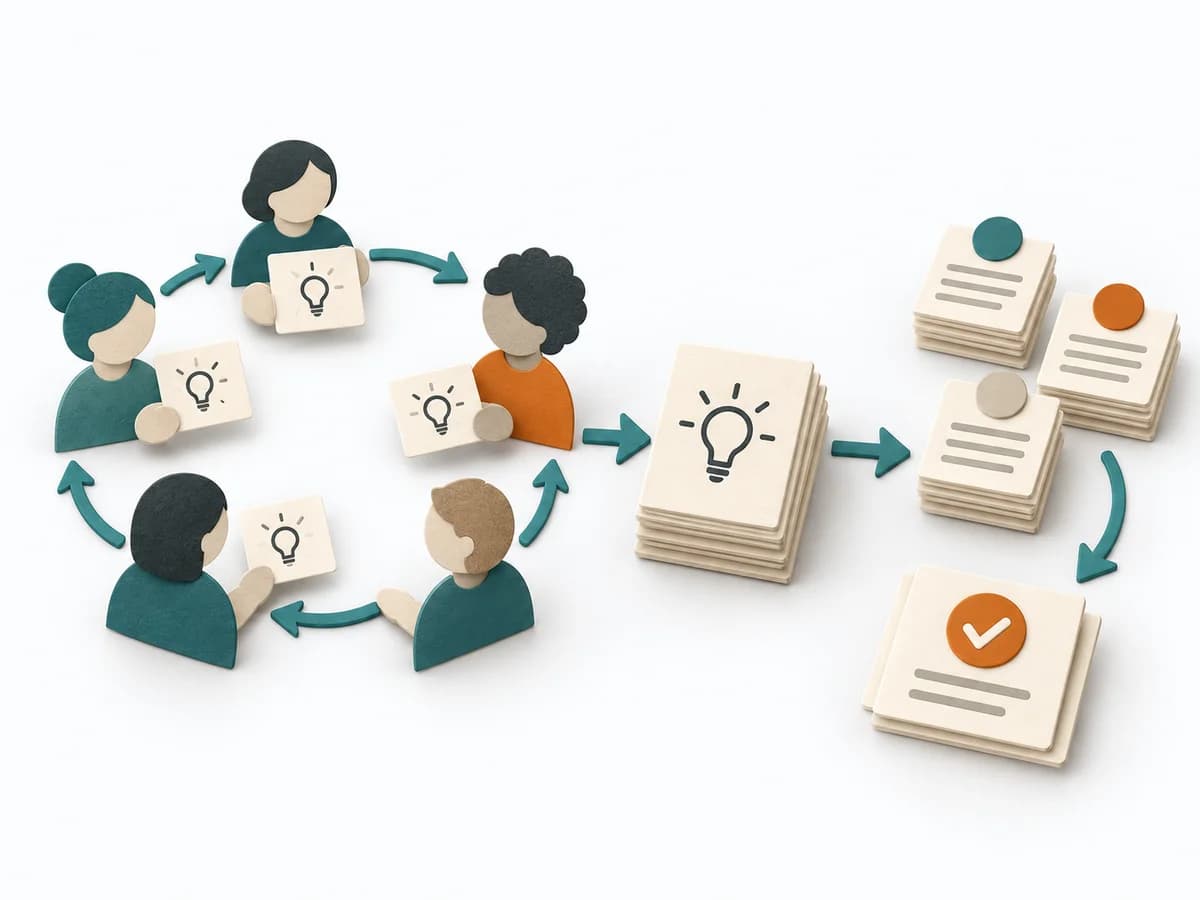
Purposedifferent | When loud voices or hierarchy distort the idea search, the method creates a quiet entry into joint development. It gives everyone thinking space and gathers contributions without social brakes, making diversity more visible and easier to build on. | When research notes, feedback, or observations sit unconnected side by side, affinity diagramming sorts the raw material into solid themes. Many individual points turn into patterns that make decisions and opportunities clearer. | When a team faces an open question with many obvious directions, the method first creates breadth instead of premature commitment. It separates idea flow from evaluation and makes lines of thought visible, creating a pool for selection and further development. |
Complexitysame | Low | Low | Low |
Timedifferent | 15-30 min | 45–90 min | 30-60 min |
Participantsdifferent | 3-12 | 3-10 | 4-12 |
Formatdifferent | Workshop + async | Workshop | Workshop |
Outputdifferent | Idea sheets, Expanded concepts, Prioritized list | Theme clusters, Insight statements, Opportunity areas | Idea pool, Theme clusters, Shortlist |
Tagsno overlap | BrainstormingCollaborationInclusionIdeas | SynthesisQualitativeRoot cause | BrainstormingIdeationCreativityWorkshopDivergence |
Often compared together
Methods with strong topical overlap with the current selection, not yet in the comparison.