View methods side by side.
Choose up to four methods. Add them using the search and share the comparison by copying its link.
| Criterion | 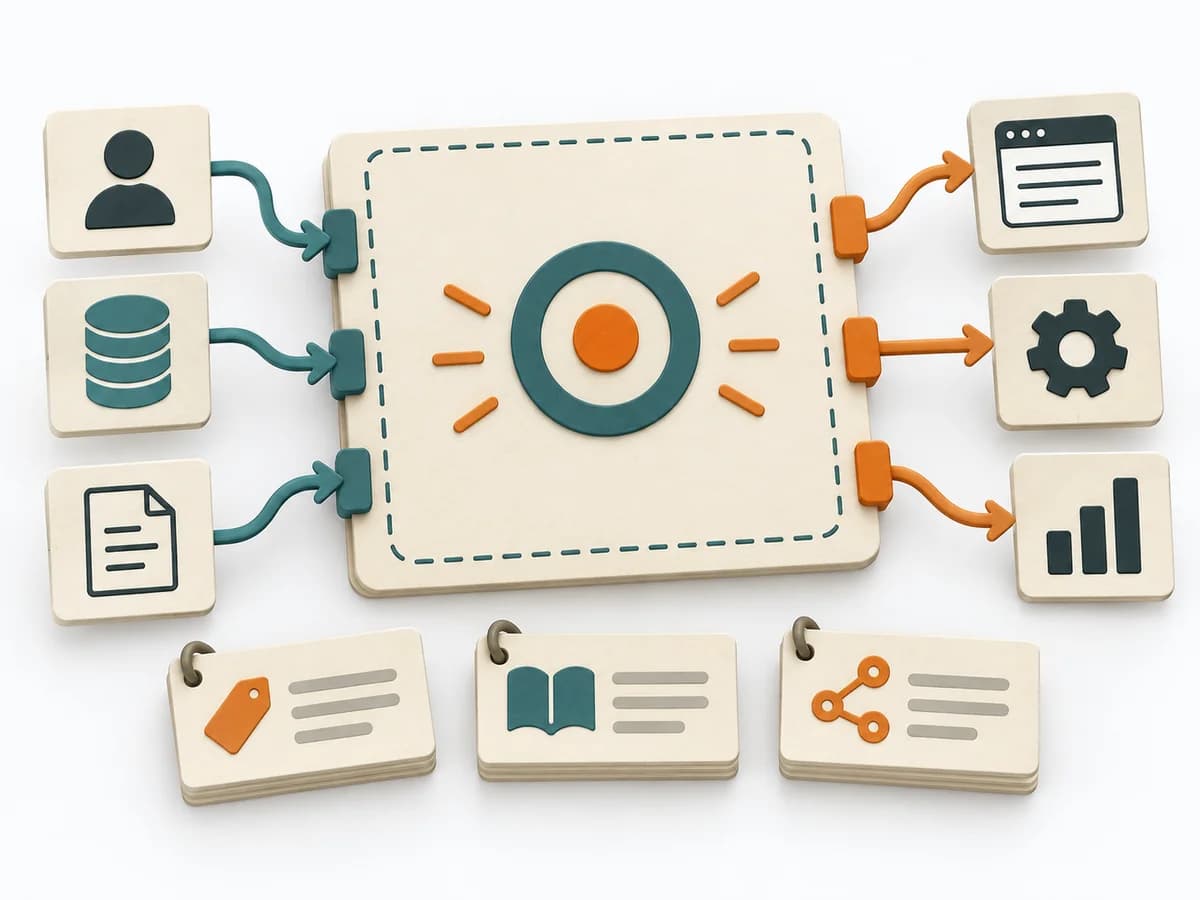 Domain Modeling Bounded Context Canvas | 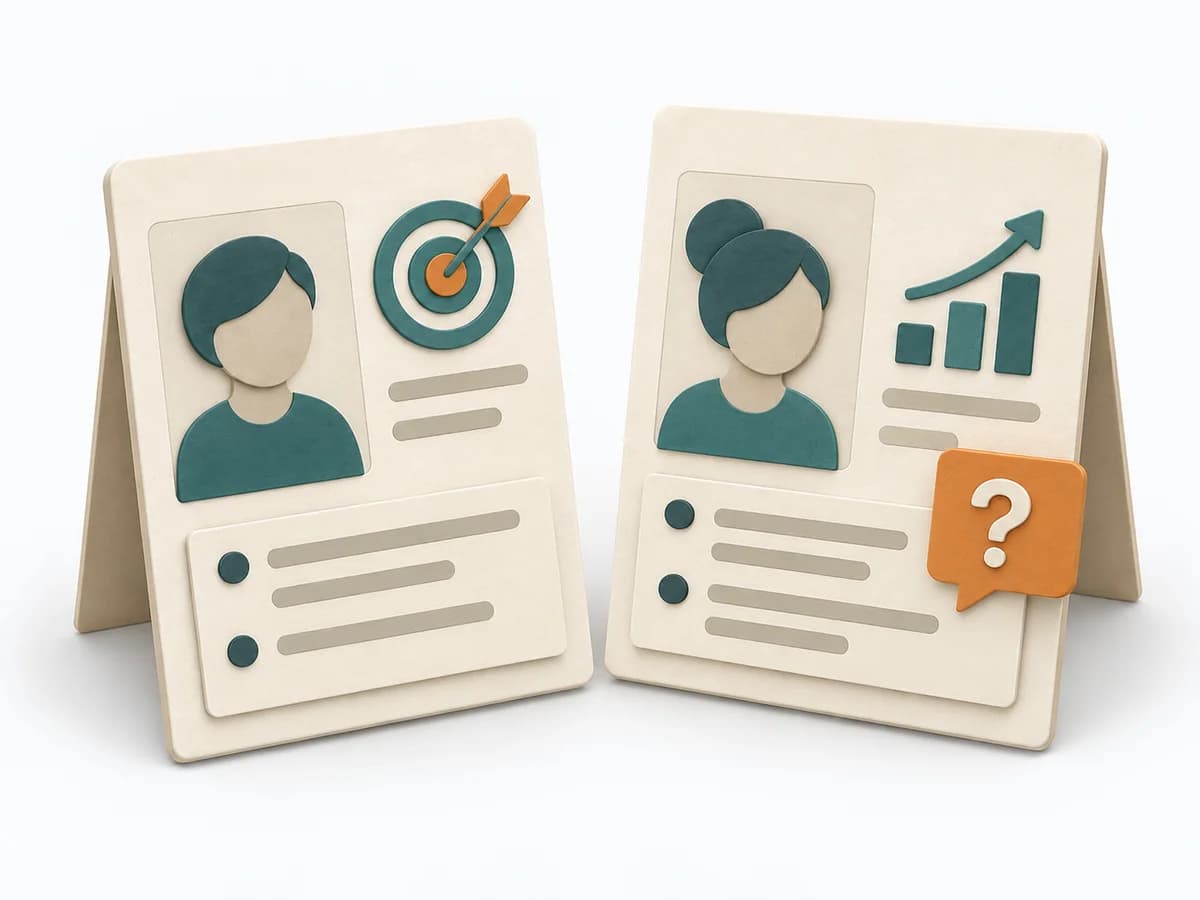 UX Research Personas | 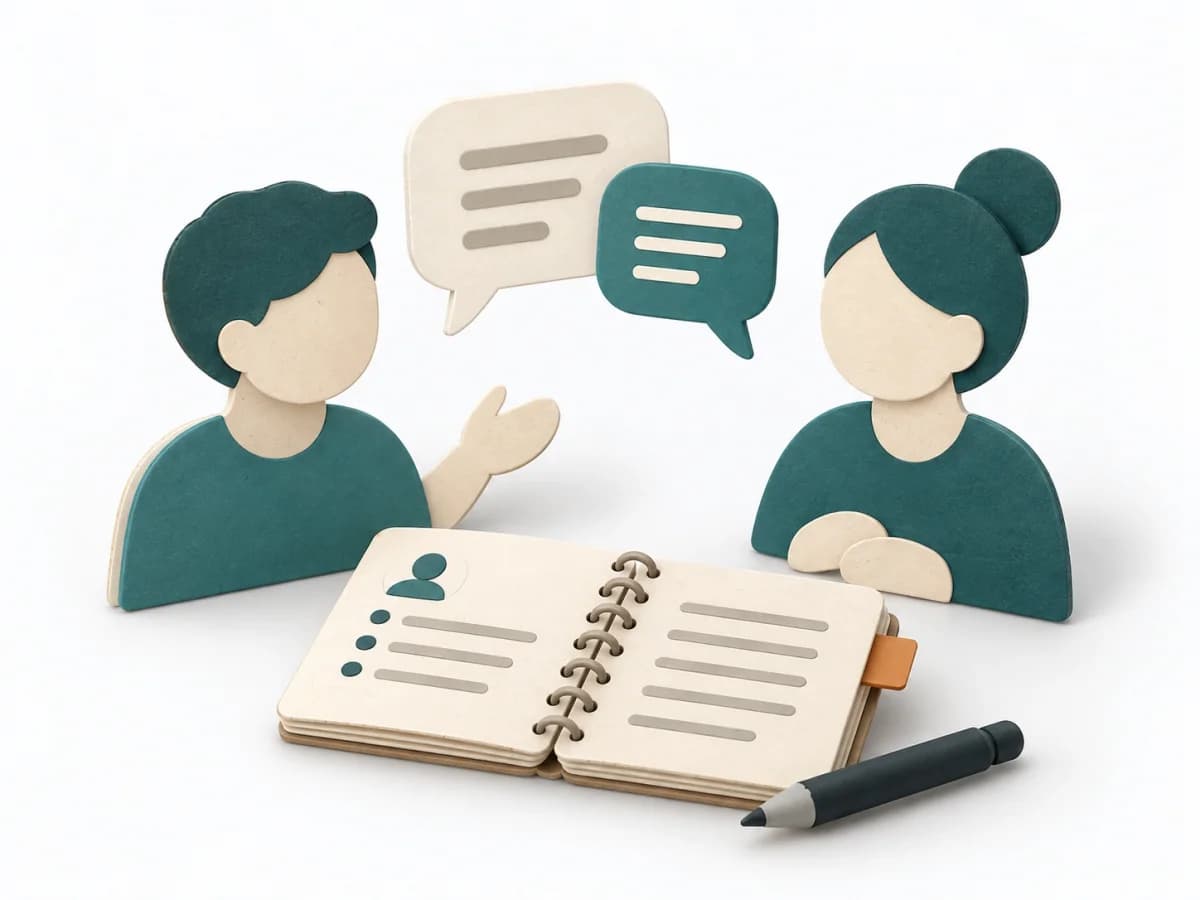 UX Research User Interviews |  Domain Modeling Context Map |
|---|---|---|---|---|
Purposedifferent | When a business context is still loosely outlined, it shapes language, responsibility, and integration space. It clarifies what belongs together and where a boundary needs to hold. | When target groups stay too vague and teams talk about the same people differently, personas create a shared, solid picture of usage. Condensed profiles make needs, contexts, and differences tangible enough for decisions. | When teams derive needs only from assumptions and real motives are missing, user interviews give direct access to behavior and meaning. Conversations from the target group's everyday life make patterns, tensions, and open questions solidly visible. | When several contexts need to talk to each other, it makes their relationships and dependencies legible. It helps sort integration pressure and responsibilities across system boundaries. |
Complexitydifferent | Medium | Medium | Low | Medium |
Timedifferent | 1-3 h | 1-3 Tage | 30–60 min per interview | 1-3 h |
Participantsdifferent | 3-8 | Internes Team | 1 participant per interview | 2-8 |
Formatsame | Workshop + async | Workshop + async | Workshop + async | Workshop + async |
Outputdifferent | Context Canvas, Glossary, Integration Notes | Persona Profiles, Needs Summary, Scenario Notes | Interview Notes, Themes, Insight Summary | Context Map, Integration Patterns, Boundary Notes |
Tagsno overlap | Domain-Driven DesignBoundariesModeling | ResearchCustomerSynthesis | QualitativeResearchCustomerDiscovery | Domain-Driven DesignBoundariesStrategy |