View methods side by side.
Choose up to four methods. Add them using the search and share the comparison by copying its link.
| Criterion |  Domain Modeling Bounded Context Canvas |  Knowledge Modeling Knowledge Mapping | 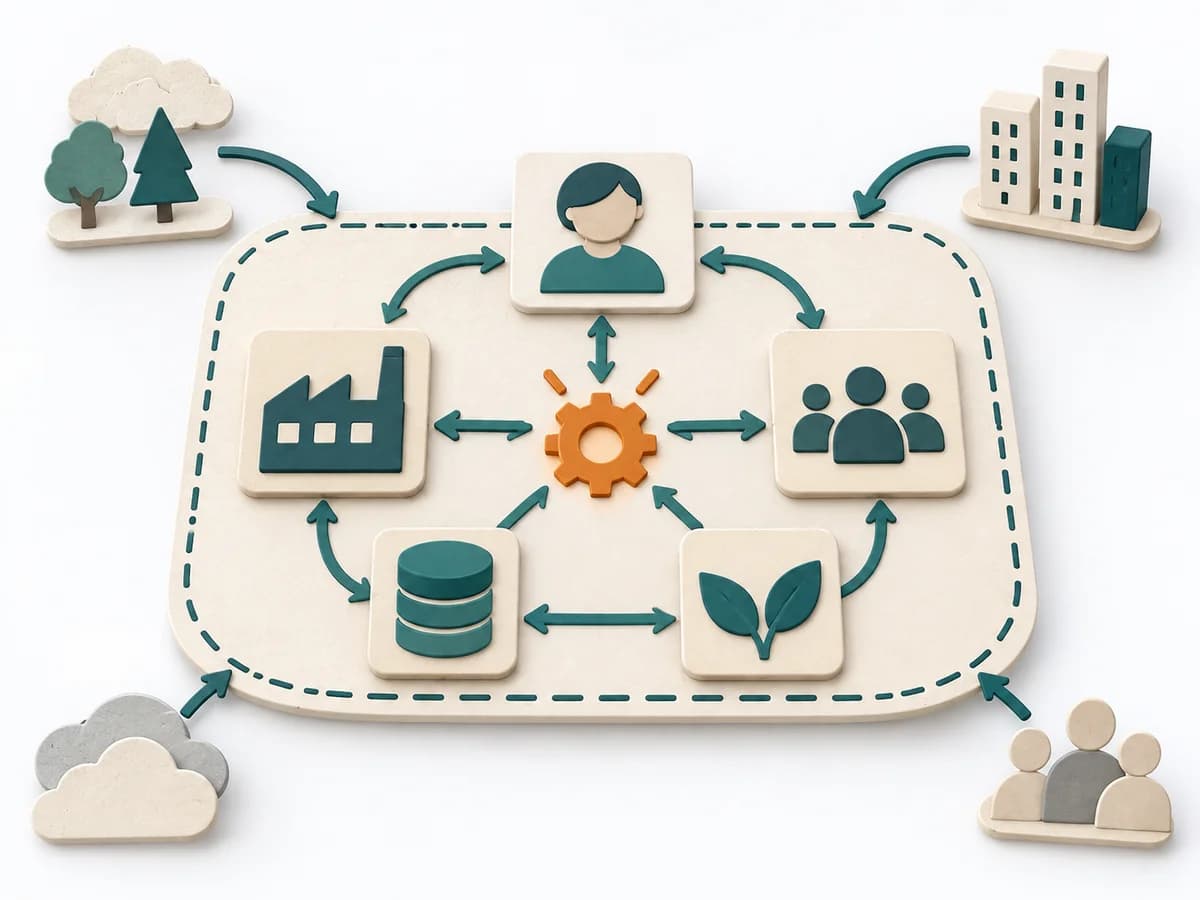 Systems Thinking Systems Mapping | 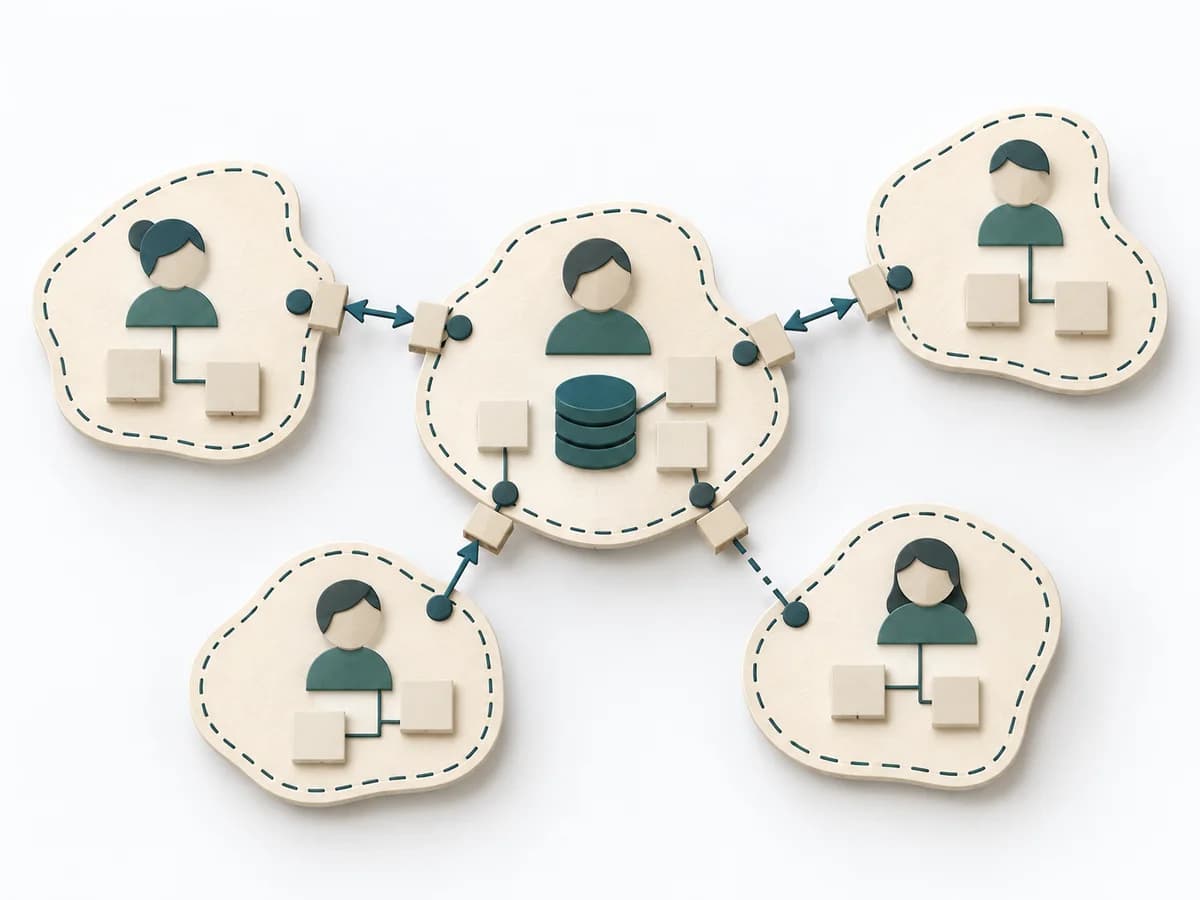 Domain Modeling Domain Context Map |
|---|---|---|---|---|
Purposedifferent | When a business context is still loosely outlined, it shapes language, responsibility, and integration space. It clarifies what belongs together and where a boundary needs to hold. | Knowledge Mapping makes knowledge, gaps, and transfer paths visible across a field. It fits when expertise should not just exist but also be findable and transferable. | Systems Mapping arranges elements, relationships, and boundaries so a complex field becomes legible at a glance. The overview stabilizes the overall picture before detail work or steering begins. | When a domain model and its associated contexts need to be thought through together, it creates a shared overview. It connects the business view and organizational boundary into a readable whole. |
Complexitysame | Medium | Medium | Medium | Medium |
Timesame | 1-3 h | 1-3 h | 1-3 h | 1-3 h |
Participantsdifferent | 3-8 | 3-12 | 3-12 | 3-10 |
Formatdifferent | Workshop + async | Workshop | Workshop + async | Workshop |
Outputdifferent | Context Canvas, Glossary, Integration Notes | Knowledge Map, Critical Knowledge Areas, Transfer Plan | System Map, Dependencies, Leverage Points | Domain Context Map, Boundary Notes, Ownership Map |
Tagsno overlap | Domain-Driven DesignBoundariesModeling | KnowledgeMappingRisk | Systems thinkingMappingBoundariesChange | Domain-Driven DesignContextBoundaries |