View methods side by side.
Choose up to four methods. Add them using the search and share the comparison by copying its link.
| Criterion | 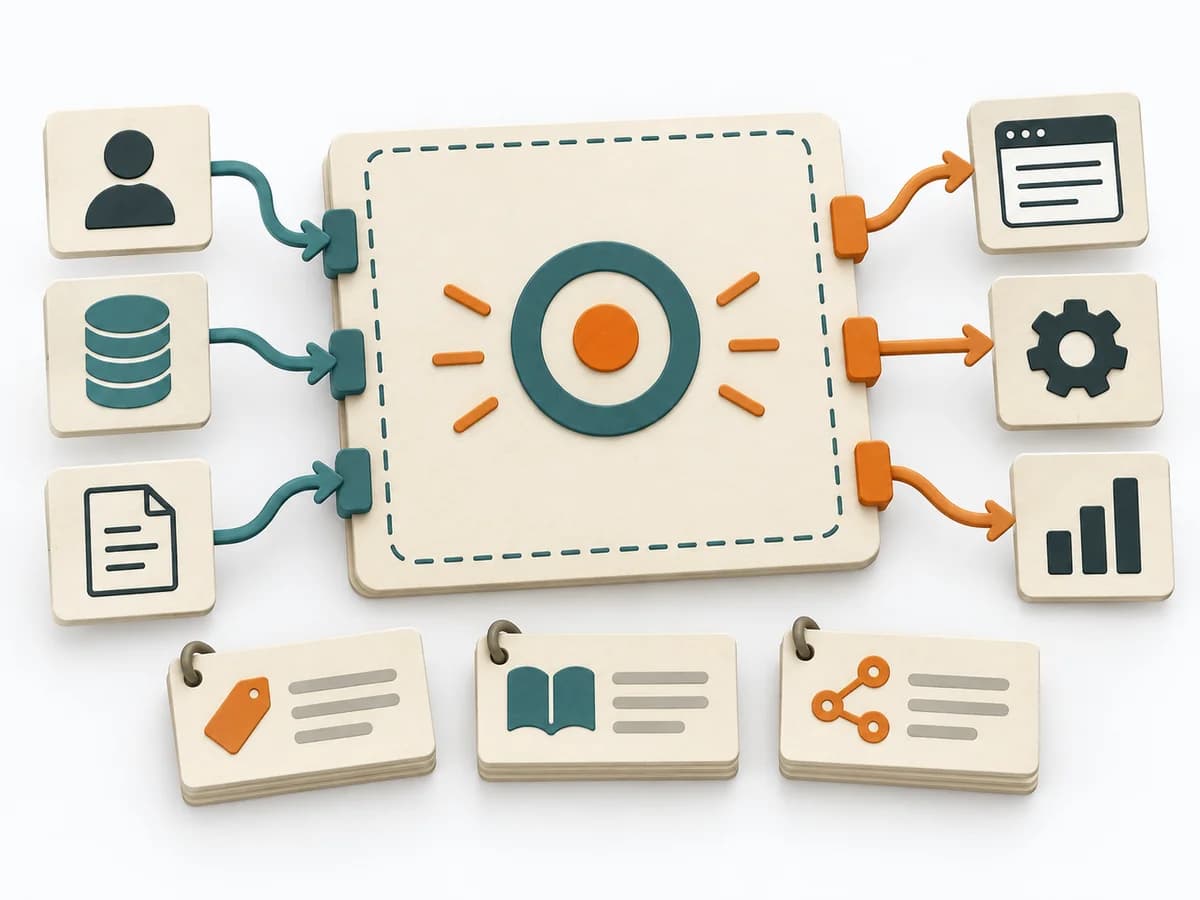 Domain Modeling Bounded Context Canvas |  Knowledge Modeling Event Modeling | 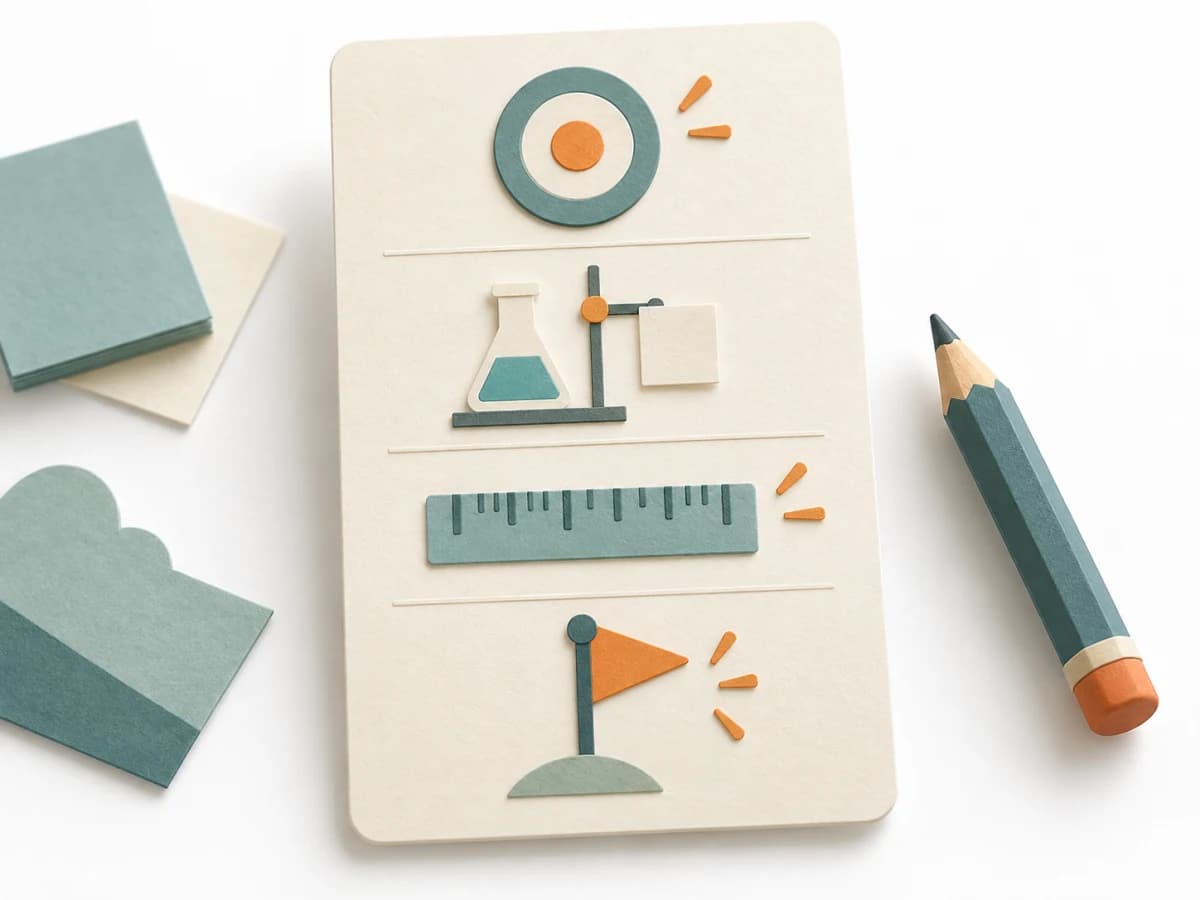 Product Discovery Test Card |  Product Discovery Fake Door Test |
|---|---|---|---|---|
Purposedifferent | When a business context is still loosely outlined, it shapes language, responsibility, and integration space. It clarifies what belongs together and where a boundary needs to hold. | Event Modeling connects business workflows with commands, events, and views into one coherent mental model. It helps design behavior, UI, and technical slices from the same underlying logic. | The Test Card turns a critical assumption into a testable claim and specifies in advance which result counts as success. | When demand is still unclear, it measures interest in a feature before it is built. It separates real behavior from polite agreement and deliberately keeps build effort small. |
Complexitydifferent | Medium | Medium | Low | Medium |
Timedifferent | 1-3 h | 2-6 h | 20-35 min | 1-5 Tage |
Participantsdifferent | 3-8 | 2-8 | 1-5 | Nutzertraffic |
Formatdifferent | Workshop + async | Workshop + async | Workshop + async | Async |
Outputdifferent | Context Canvas, Glossary, Integration Notes | Event Model, UI Flow, Commands, Read Models | Test Card with a pre-set threshold | Click Data, Interest Signal, Learning Decision |
Tagsno overlap | Domain-Driven DesignBoundariesModeling | EventsBlueprintDomain-Driven DesignBehavior | ExperimentsValidationDiscoveryHypothesis | ValidationExperimentsDemandDiscovery |