View methods side by side.
Choose up to four methods. Add them using the search and share the comparison by copying its link.
| Criterion | 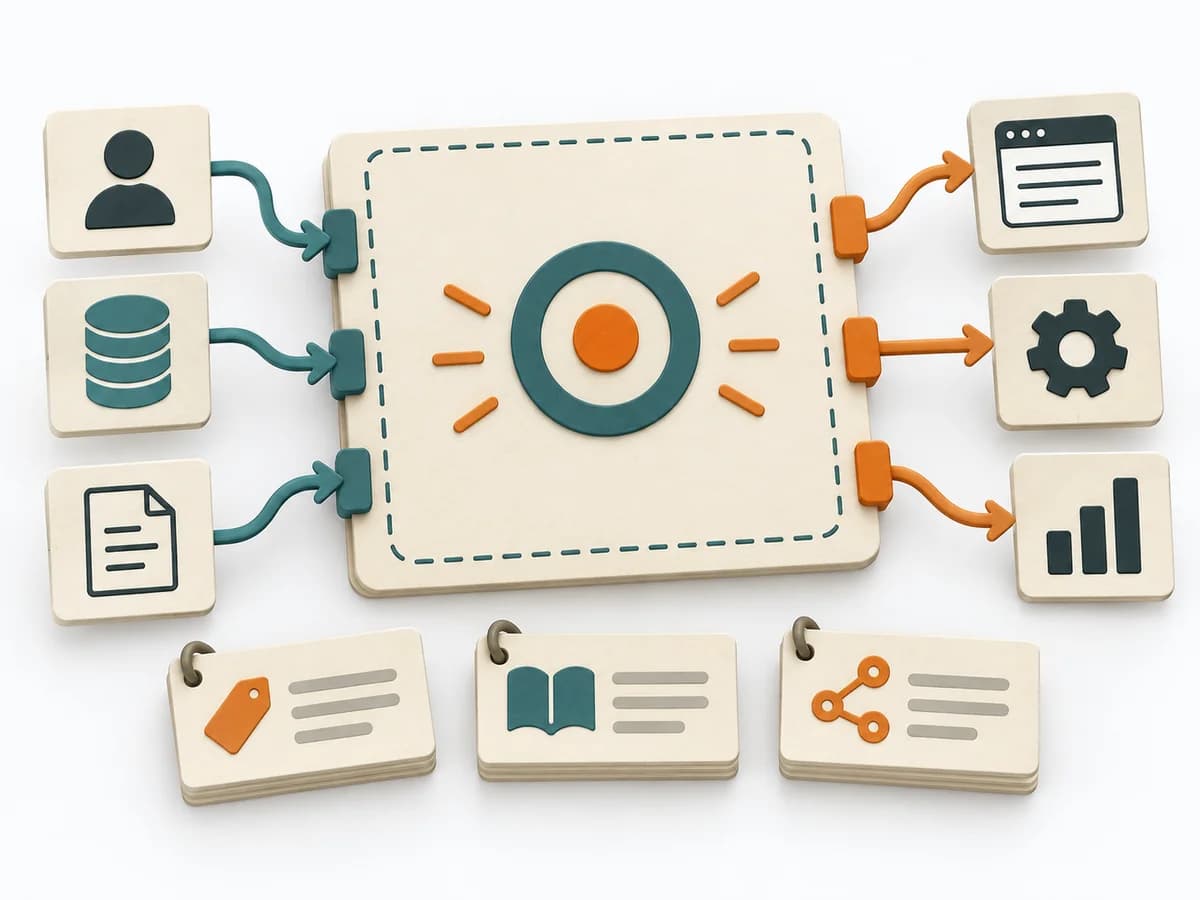 Domain Modeling Bounded Context Canvas | 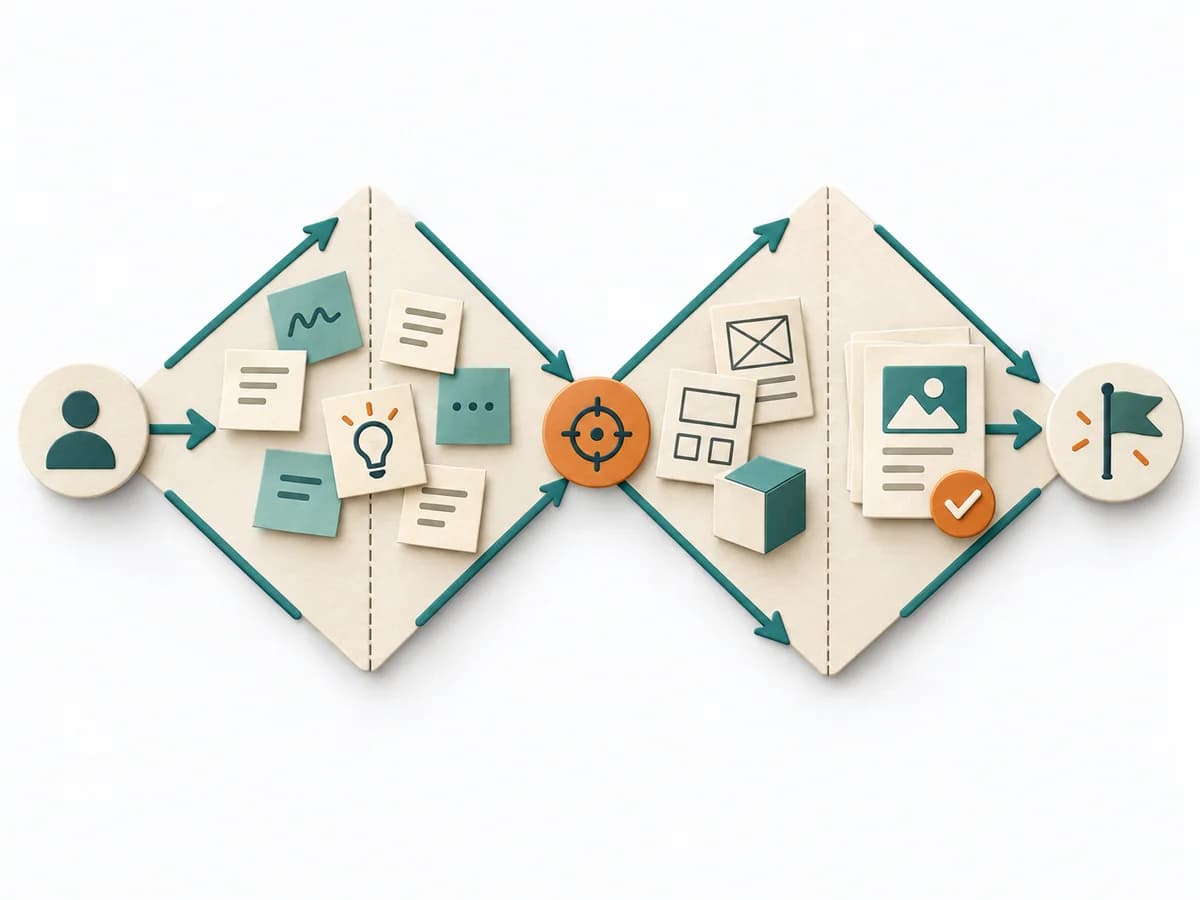 Innovation Double Diamond | 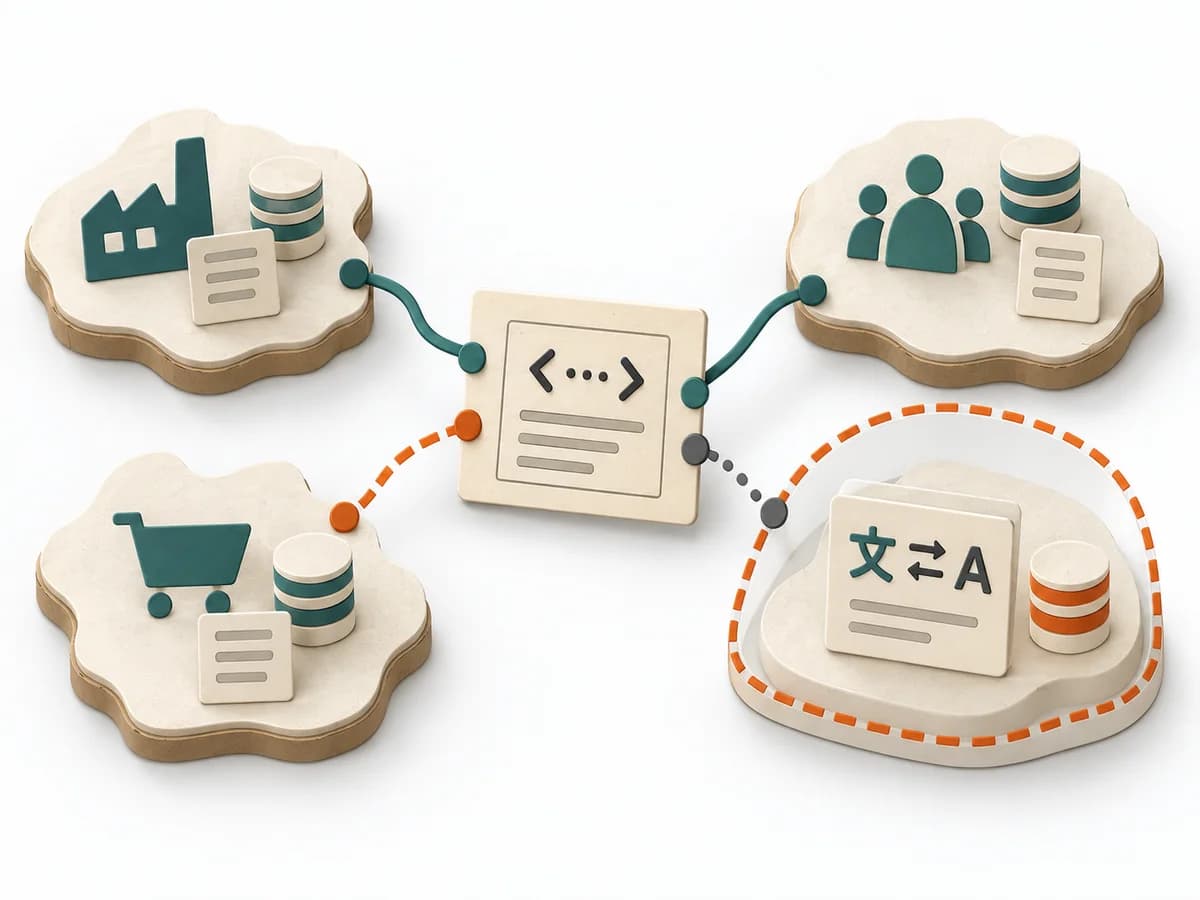 Domain Modeling Context Map | 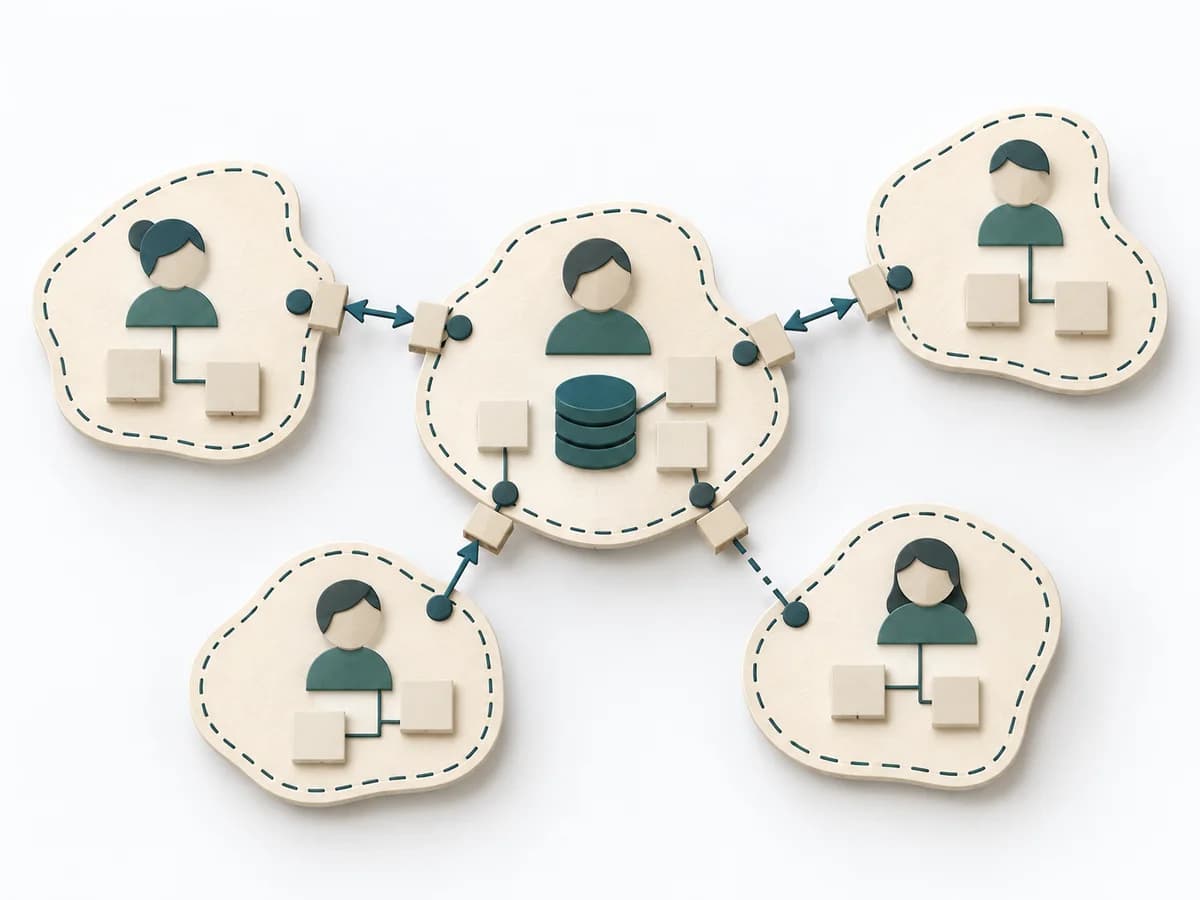 Domain Modeling Domain Context Map |
|---|---|---|---|---|
Purposedifferent | When a business context is still loosely outlined, it shapes language, responsibility, and integration space. It clarifies what belongs together and where a boundary needs to hold. | For complex problems with a fuzzy situation, the method cleanly separates search space and decision. It first creates breadth in understanding and then focus in elaboration. This brings open questions, problem definition, and solution path into a traceable movement. | When several contexts need to talk to each other, it makes their relationships and dependencies legible. It helps sort integration pressure and responsibilities across system boundaries. | When a domain model and its associated contexts need to be thought through together, it creates a shared overview. It connects the business view and organizational boundary into a readable whole. |
Complexitysame | Medium | Medium | Medium | Medium |
Timedifferent | 1-3 h | Wochen bis Monate | 1-3 h | 1-3 h |
Participantsdifferent | 3-8 | 3-12 | 2-8 | 3-10 |
Formatdifferent | Workshop + async | Workshop + async | Workshop + async | Workshop |
Outputdifferent | Context Canvas, Glossary, Integration Notes | Problem Statement, Solution Options, Prototypes, Deliverables per Phase | Context Map, Integration Patterns, Boundary Notes | Domain Context Map, Boundary Notes, Ownership Map |
Tagsno overlap | Domain-Driven DesignBoundariesModeling | ProcessDivergenceInnovation | Domain-Driven DesignBoundariesStrategy | Domain-Driven DesignContextBoundaries |