View methods side by side.
Choose up to four methods. Add them using the search and share the comparison by copying its link.
| Criterion | 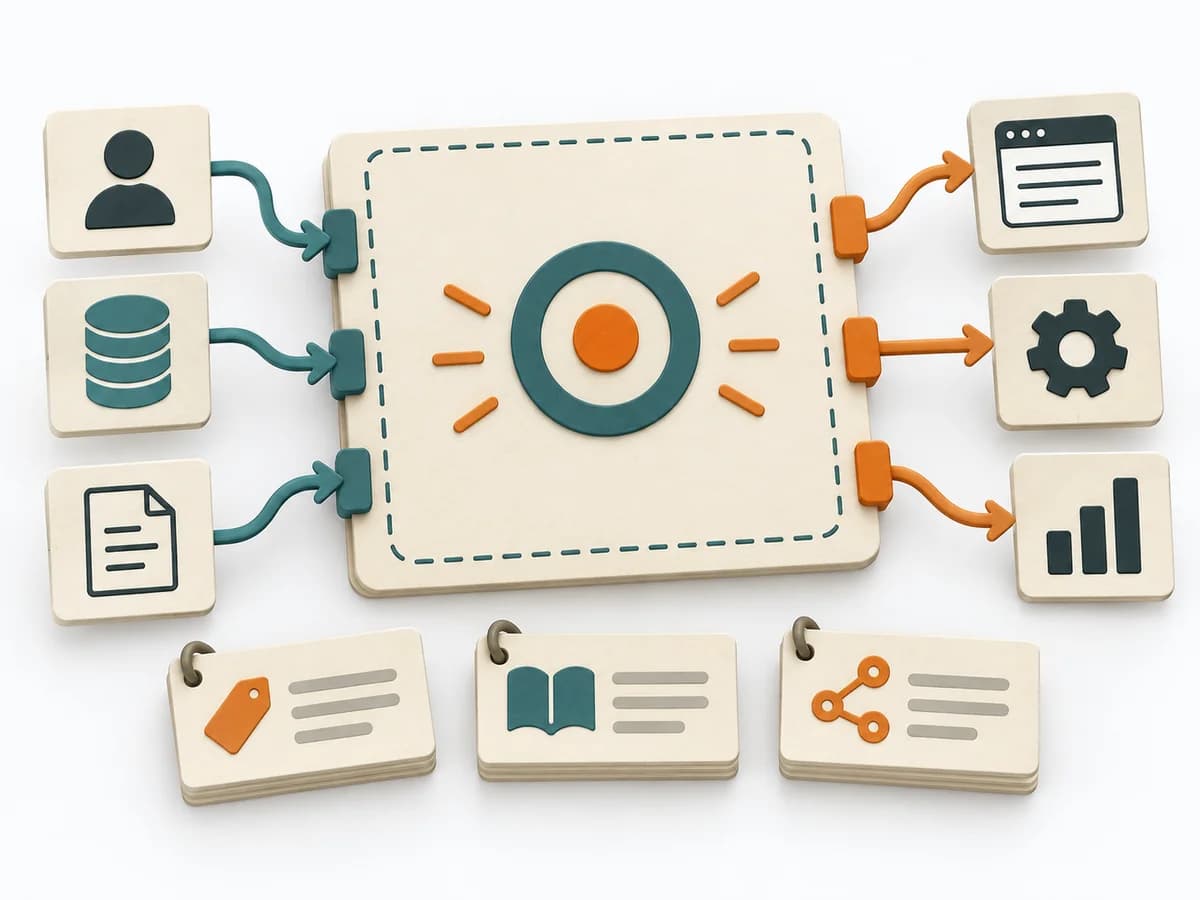 Domain Modeling Bounded Context Canvas |  Knowledge Modeling Domain Storytelling | 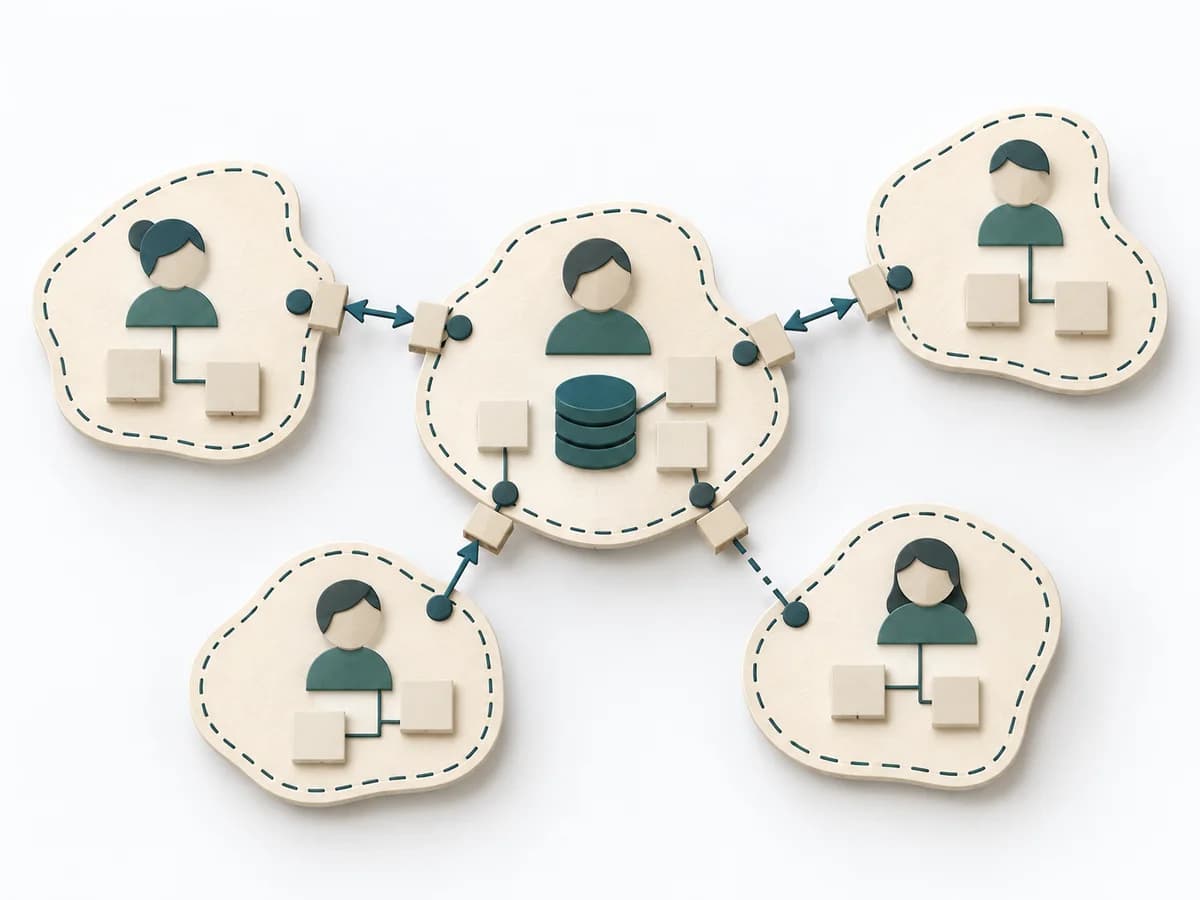 Domain Modeling Domain Context Map | 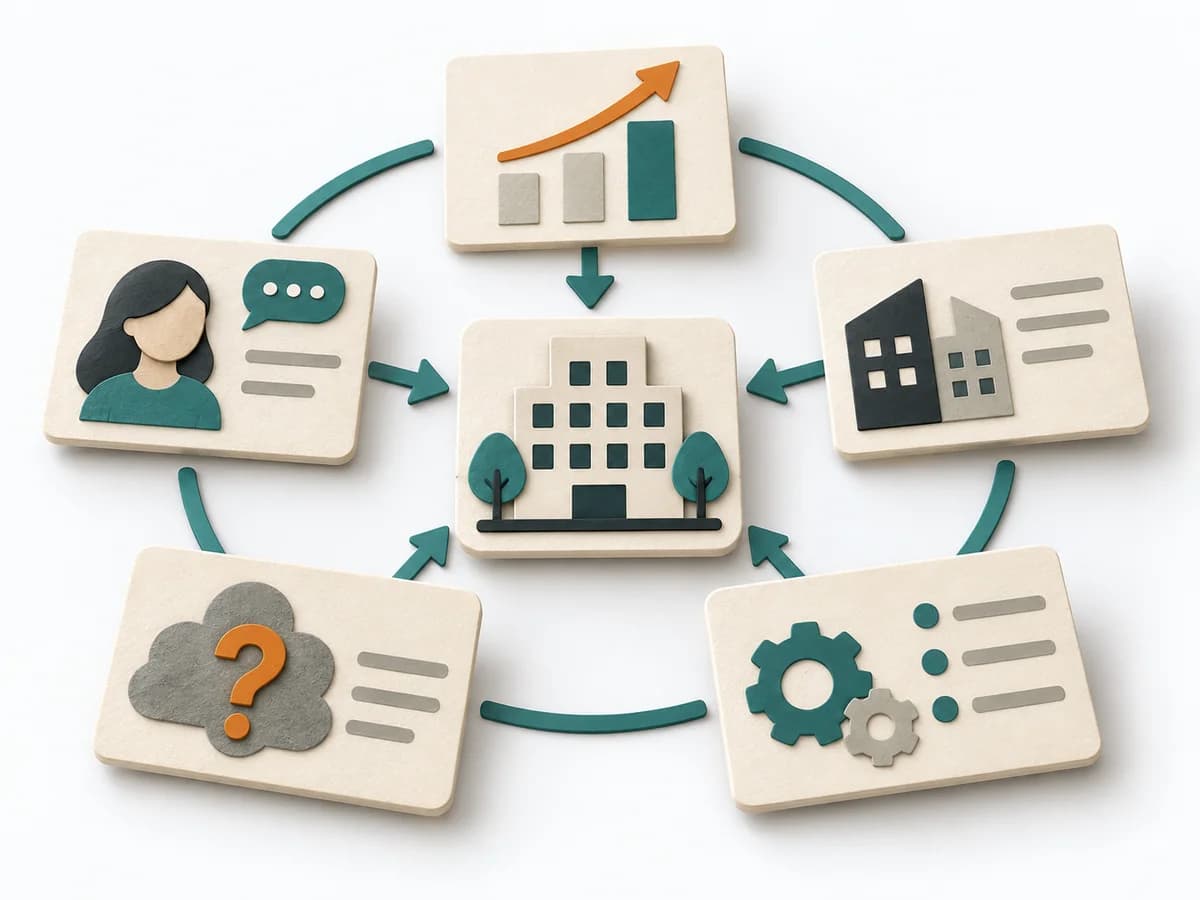 Product Discovery Context Canvas |
|---|---|---|---|---|
Purposedifferent | When a business context is still loosely outlined, it shapes language, responsibility, and integration space. It clarifies what belongs together and where a boundary needs to hold. | Domain Storytelling translates domain knowledge into a shared narrative of actors, objects, and workflows. It is especially useful when language, rules, and process understanding must be tightly connected. | When a domain model and its associated contexts need to be thought through together, it creates a shared overview. It connects the business view and organizational boundary into a readable whole. | When an environment of users, systems, and constraints is hard to grasp, it puts the context compactly on the table. It creates a clear reading of influence, boundary, and dependency. |
Complexitydifferent | Medium | Low | Medium | Low |
Timedifferent | 1-3 h | 1-2 h | 1-3 h | 45-90 min |
Participantsdifferent | 3-8 | 2-8 | 3-10 | 3-10 |
Formatdifferent | Workshop + async | Workshop | Workshop | Workshop |
Outputdifferent | Context Canvas, Glossary, Integration Notes | Domain Story, Glossary Notes, Process Narrative | Domain Context Map, Boundary Notes, Ownership Map | Context canvas, Open questions, Shared context notes |
Tagsno overlap | Domain-Driven DesignBoundariesModeling | KnowledgeDomain-Driven DesignProcess | Domain-Driven DesignContextBoundaries | ContextFramingRequirementsCanvas |