View methods side by side.
Choose up to four methods. Add them using the search and share the comparison by copying its link.
| Criterion |  Domain Modeling Bounded Context Canvas | 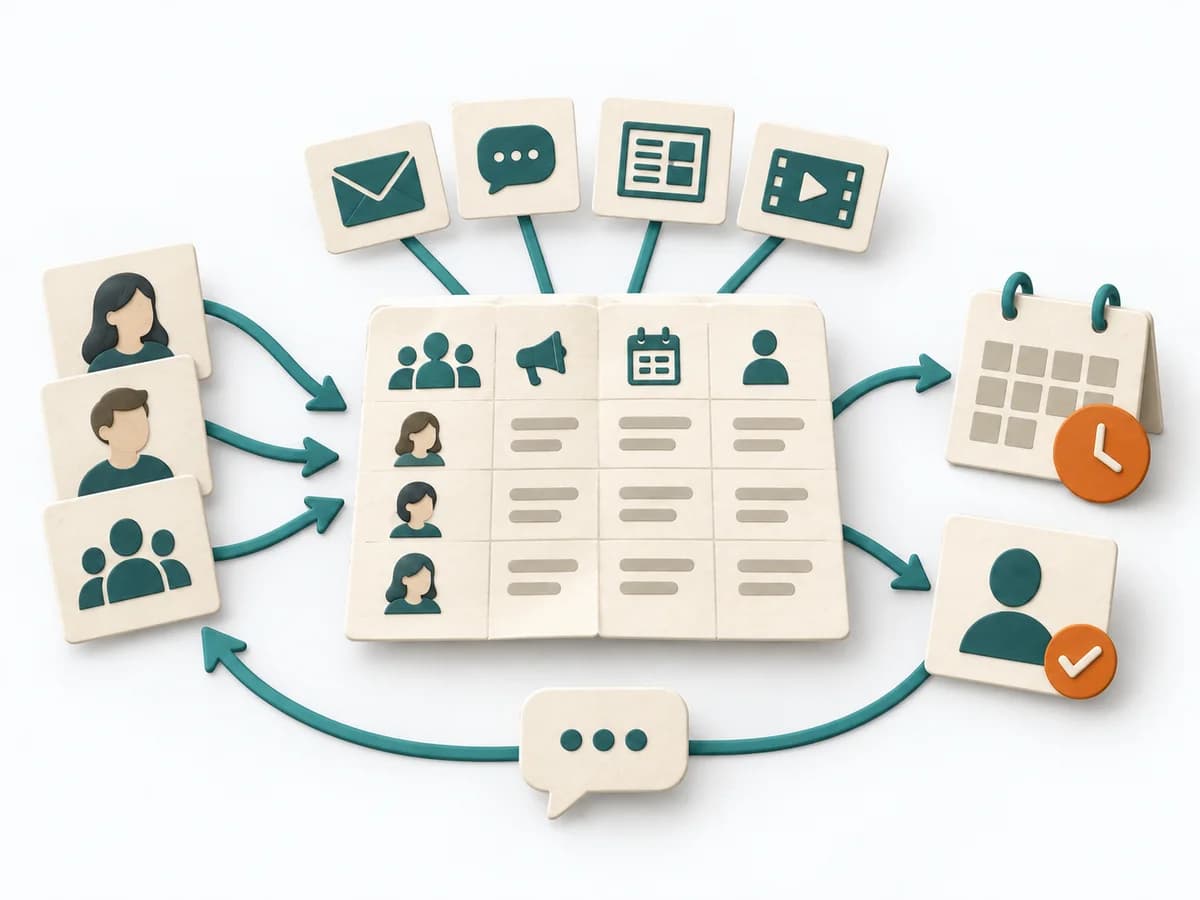 Delivery Communication Plan |  Business Strategy GAP Analysis | 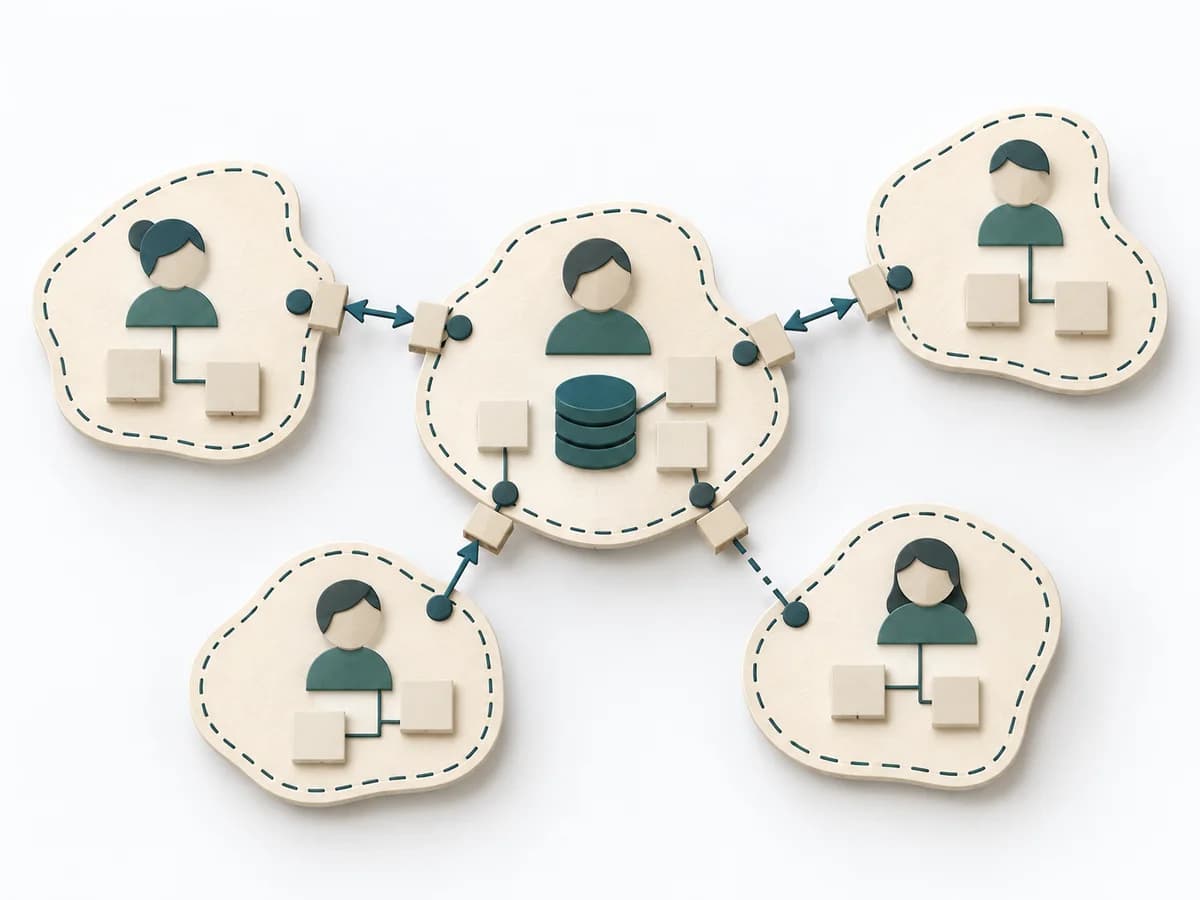 Domain Modeling Domain Context Map |
|---|---|---|---|---|
Purposedifferent | When a business context is still loosely outlined, it shapes language, responsibility, and integration space. It clarifies what belongs together and where a boundary needs to hold. | When many people need to be informed in parallel and messages would otherwise arrive unevenly or too late, a Communication Plan orders communication reliably. Channels, audiences, and cadences interlock so important information doesn't get lost. | GAP Analysis compares the current state with a target picture and makes the distance manageable. It becomes useful when, ahead of new initiatives, it must become clear which capabilities, processes, or resources are missing. | When a domain model and its associated contexts need to be thought through together, it creates a shared overview. It connects the business view and organizational boundary into a readable whole. |
Complexitydifferent | Medium | Low | Medium | Medium |
Timedifferent | 1-3 h | 45-90 min | 1-3 h | 1-3 h |
Participantsdifferent | 3-8 | 2-6 | 2-8 | 3-10 |
Formatdifferent | Workshop + async | Workshop + async | Workshop + async | Workshop |
Outputdifferent | Context Canvas, Glossary, Integration Notes | Communication Plan, Channel Matrix, Message Cadence | Gap Matrix, Action Plan, Risk Notes | Domain Context Map, Boundary Notes, Ownership Map |
Tagsno overlap | Domain-Driven DesignBoundariesModeling | CommunicationStakeholdersDeliveryPlanning | StrategyAnalysisPlanning | Domain-Driven DesignContextBoundaries |