View methods side by side.
Choose up to four methods. Add them using the search and share the comparison by copying its link.
| Criterion | 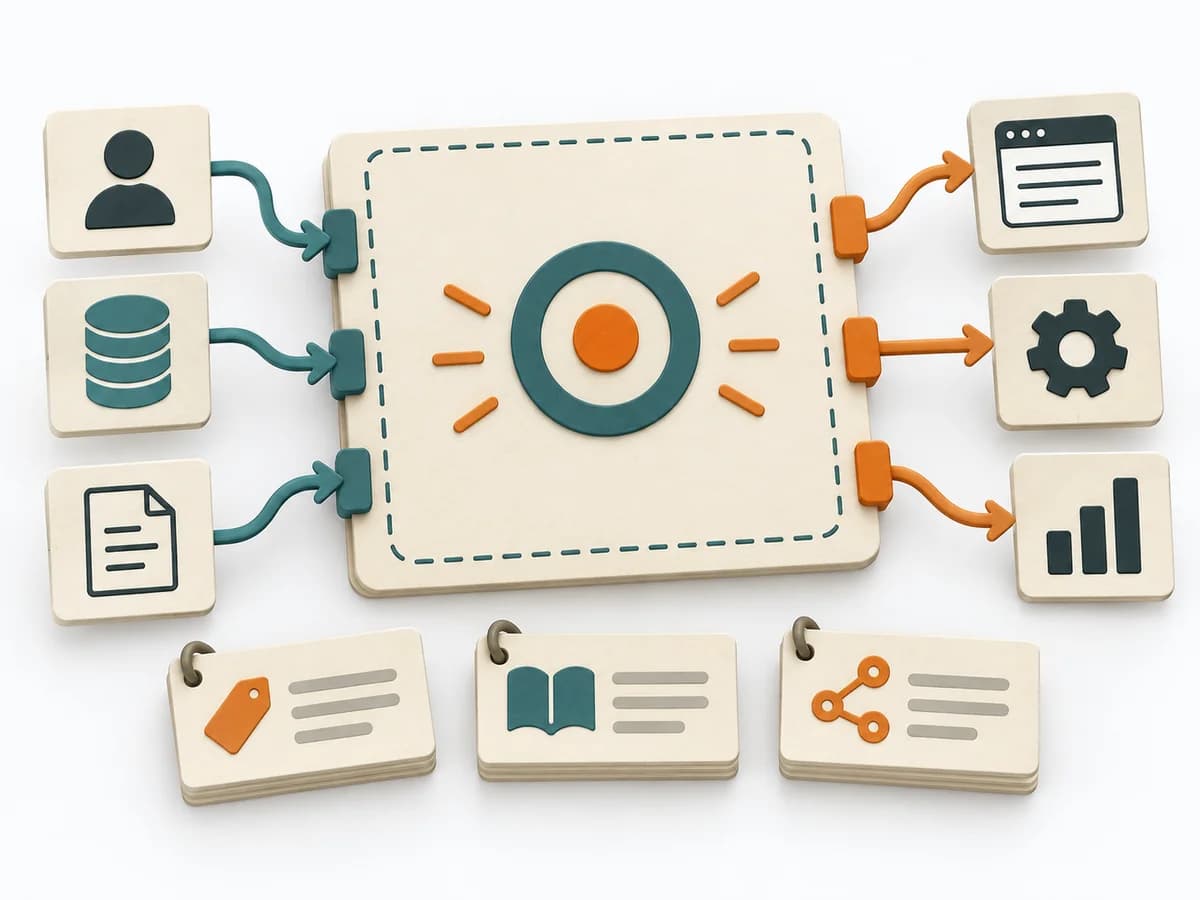 Domain Modeling Bounded Context Canvas |  Decision Making Assumption Surfacing | 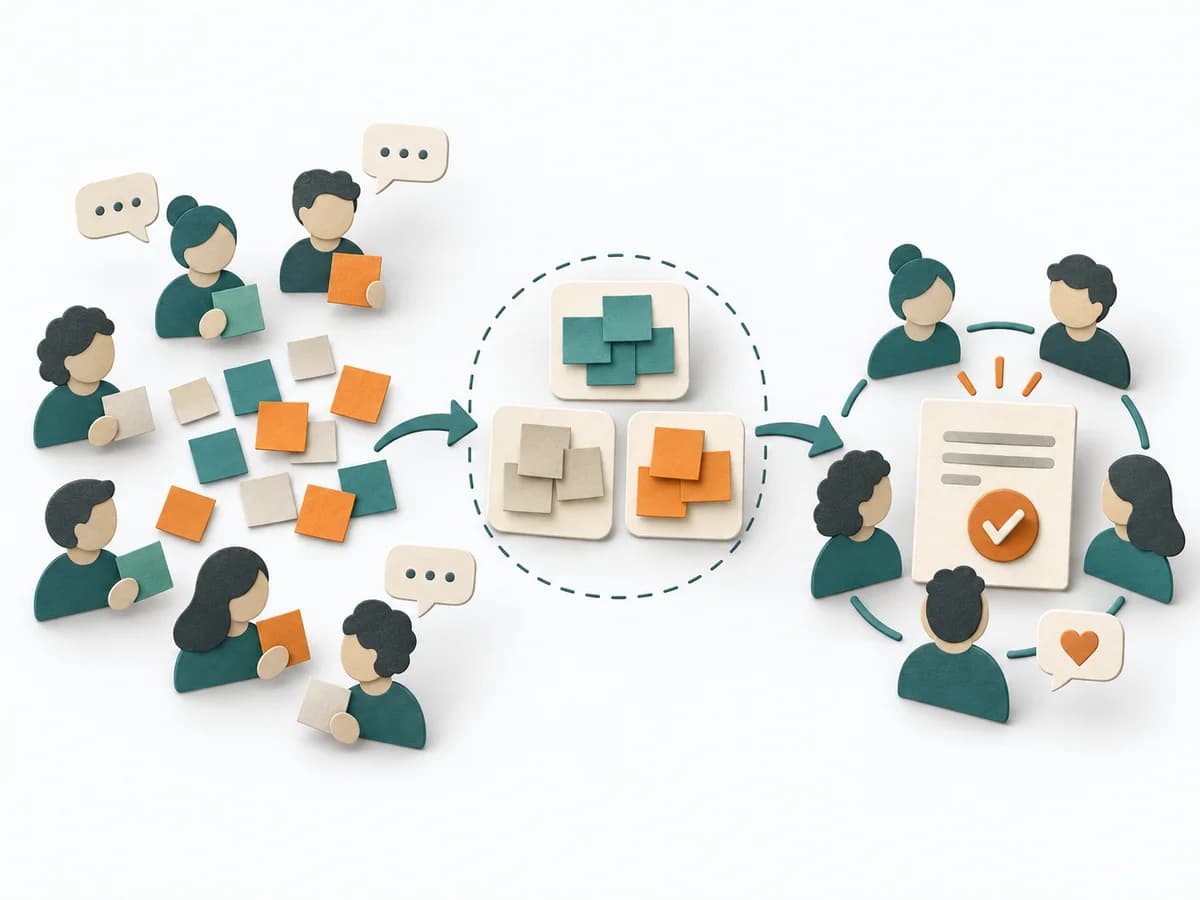 Facilitation Consensus Workshop | 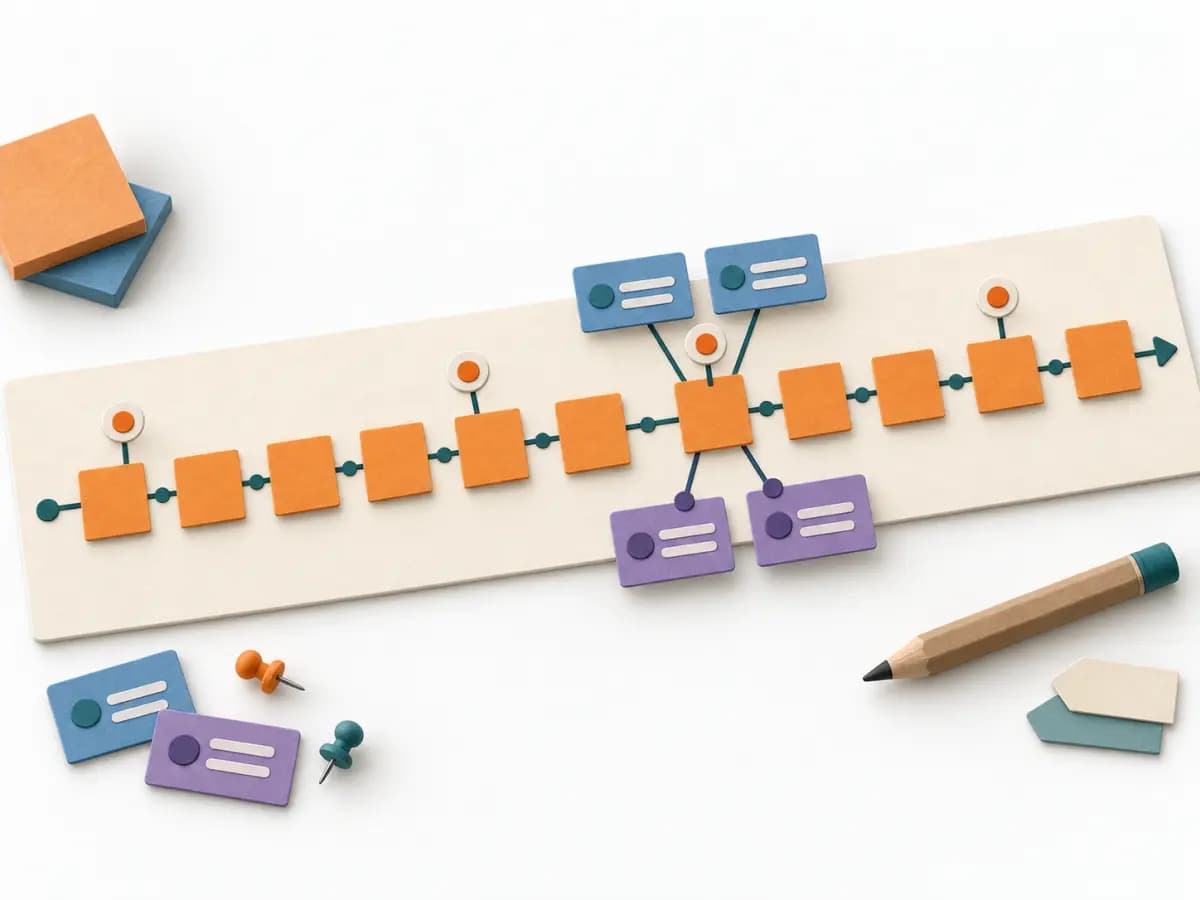 Domain Modeling EventStorming |
|---|---|---|---|---|
Purposedifferent | When a business context is still loosely outlined, it shapes language, responsibility, and integration space. It clarifies what belongs together and where a boundary needs to hold. | Plans often contain assumptions that were never openly stated and remain dangerous precisely because of that. Assumption Surfacing makes these silent premises visible and prioritizes which of them carry the initiative or could sink it. | When a group needs a solid decision without outvoting individual factions, a Consensus Workshop creates a negotiable common ground. It makes agreement, reservations, and open tensions discussable at the same time. | When a domain consists of many events, rules, and states, it creates a shared modeling space for the team. It bundles language, flows, and boundaries before domain knowledge fragments into siloed views. |
Complexitydifferent | Medium | Low | Medium | Medium |
Timedifferent | 1-3 h | 45-90 min | 1-3 h | 2-8 h |
Participantsdifferent | 3-8 | 2-8 | 5-30 | 5-12 |
Formatdifferent | Workshop + async | Workshop + async | Workshop | Workshop |
Outputdifferent | Context Canvas, Glossary, Integration Notes | Assumption List, Critical Assumptions, Learning Plan | Consensus Clusters, Theme Titles, Priority Areas | Event Timeline, Ubiquitous Language, Boundaries, Open Questions |
Tagsno overlap | Domain-Driven DesignBoundariesModeling | AssumptionsRiskDecisionDiscovery | FacilitationConsensusWorkshopAlignment | Domain-Driven DesignEventsDiscoveryWorkshop |