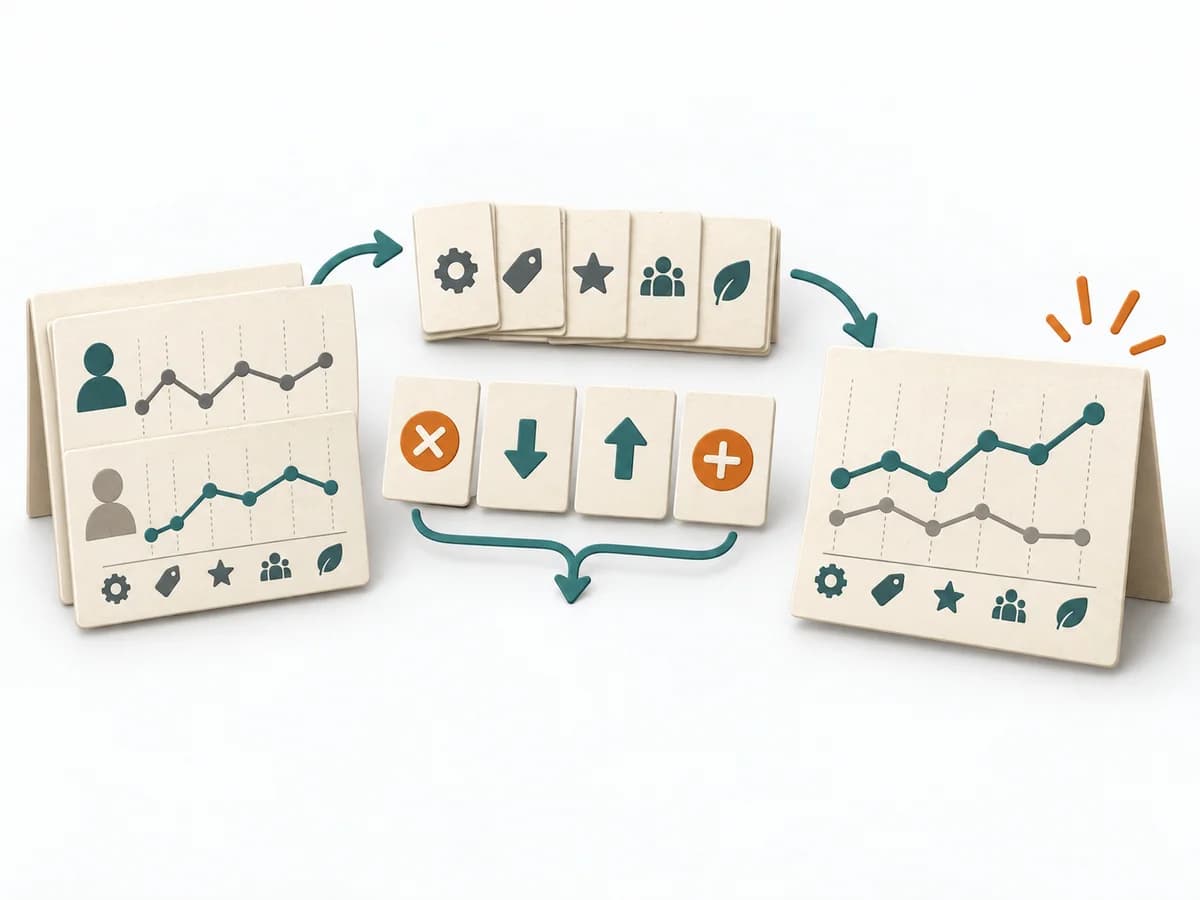
View methods side by side.
Choose up to four methods. Add them using the search and share the comparison by copying its link.
| Criterion | 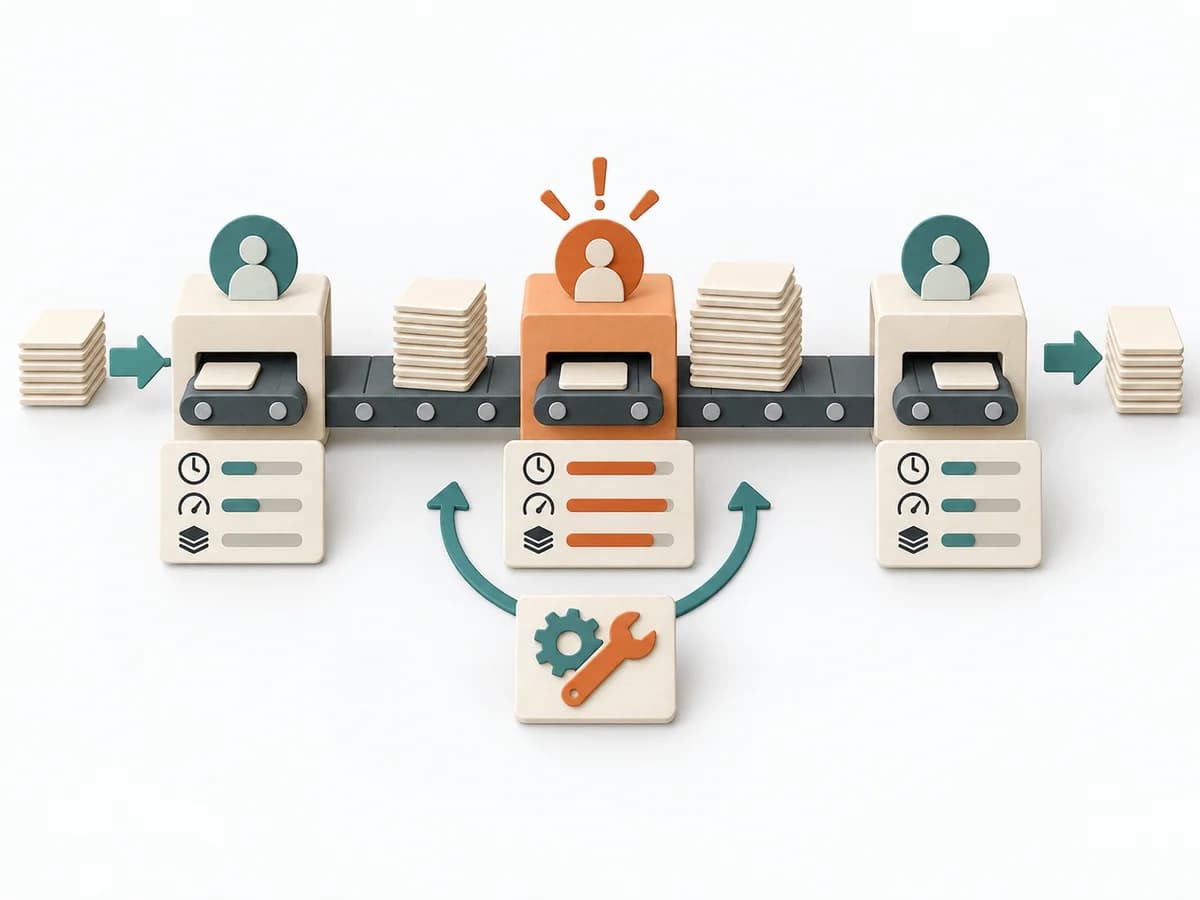 Operations Bottleneck Analysis |  Business Strategy SWOT Analysis |  Business Strategy PESTLE Analysis |
|---|---|---|---|
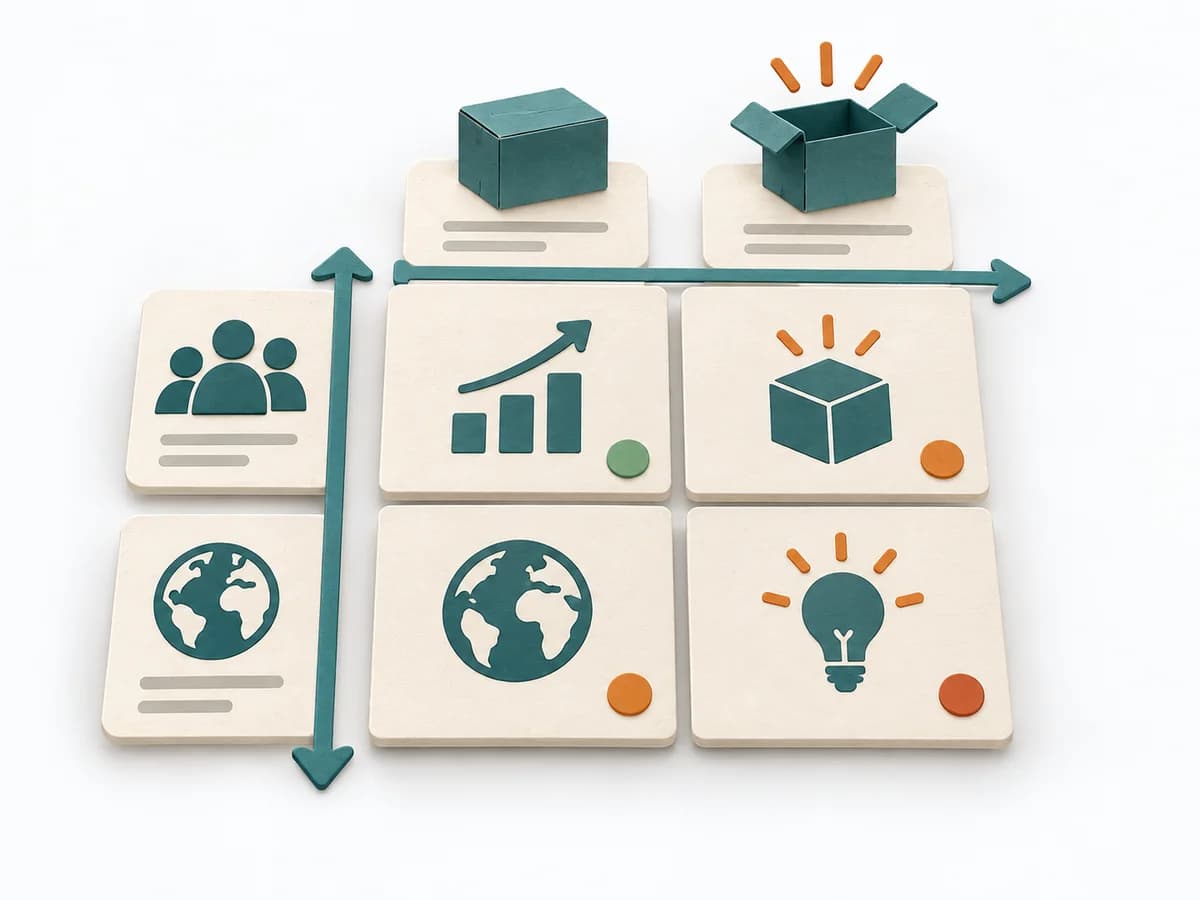
Purposedifferent | For a flow that backs up at one point, the method looks for the capacity limit with the greatest leverage. It explains why extra effort elsewhere barely improves throughput. | SWOT Analysis arranges strengths, weaknesses, opportunities, and threats into a compact picture of the situation. It keeps internal capabilities and external influences separate before strategic options emerge from them. | PESTLE Analysis makes political, economic, social, technological, legal, and environmental influences visible. The environment of an initiative is thereby read systematically instead of through isolated trends. |
Complexitydifferent | Medium | Low | Medium |
Timedifferent | 1-3 h | 30-60 min | 1-3 h |
Participantsdifferent | 3-8 | 3-12 | 2-10 |
Formatdifferent | Workshop + async | Workshop | Workshop + async |
Outputdifferent | Bottleneck Map, Flow Metrics, Improvement Options, Follow-up Measures | SWOT matrix, Strategic options, Action list | PESTLE Map, External Risks, Strategic Questions |
Tagsno overlap | FlowMeasurementConstraints | StrategyAnalysisMarketPositioning | StrategyMarketAnalysis |
Often compared together
Methods with strong topical overlap with the current selection, not yet in the comparison.