View methods side by side.
Choose up to four methods. Add them using the search and share the comparison by copying its link.
| Criterion |  DevOps Blameless Postmortem | 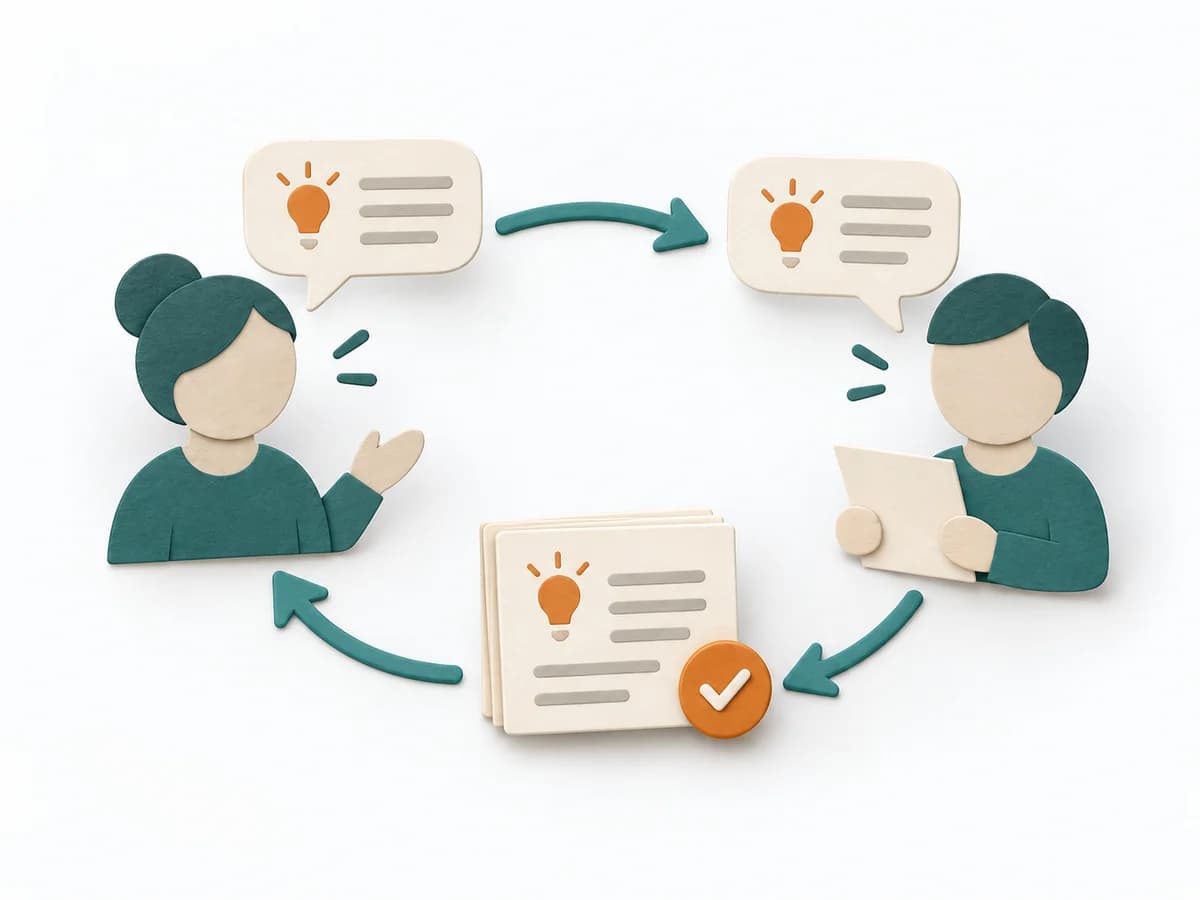 Knowledge Modeling Teach-back | 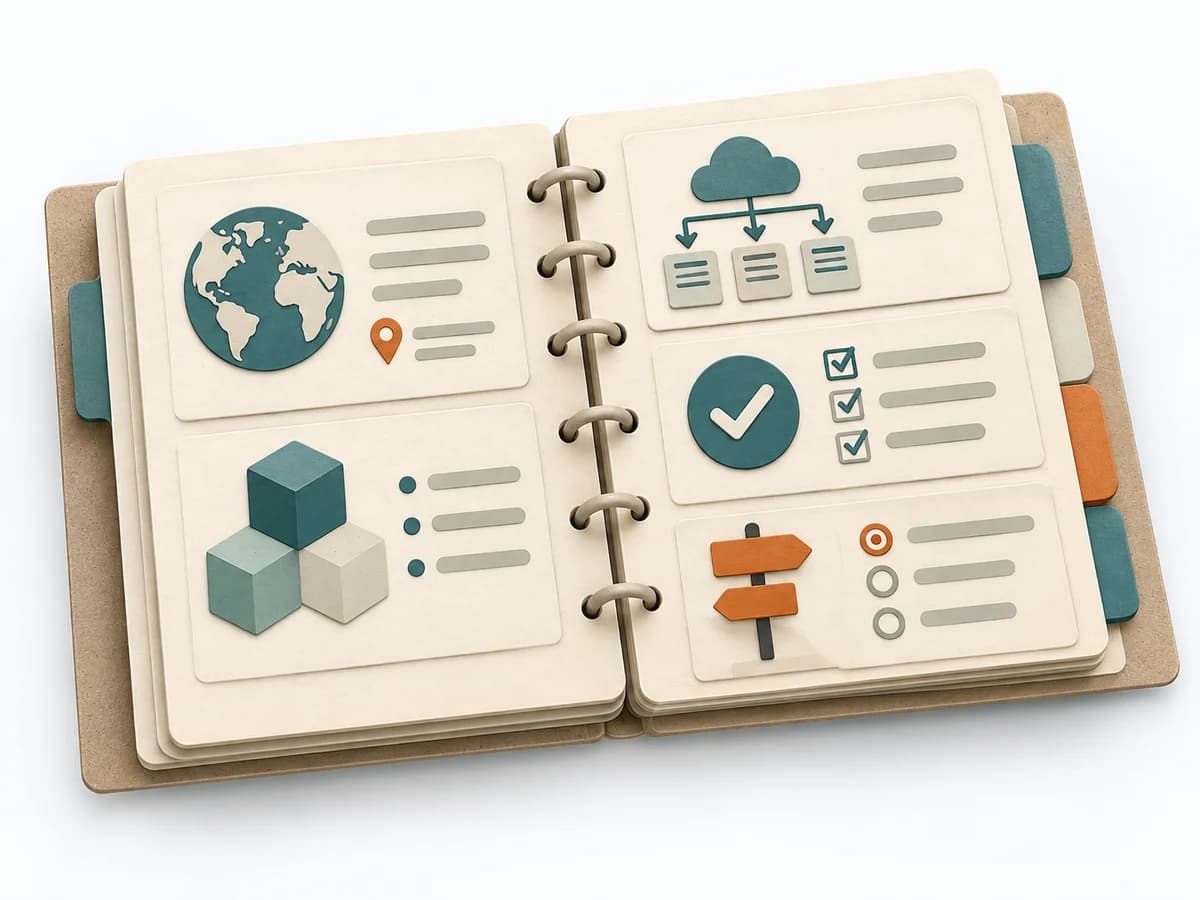 Architecture arc42 |  Architecture Architecture Communication Canvas |
|---|---|---|---|---|
Purposedifferent | After an incident with damage or a near miss, the method creates a sober field for learning without assigning blame. It directs attention to the course of events, conditions, and effective countermeasures. | Teach-back checks whether an explanation actually got through to the other person. The method makes misunderstandings visible early and strengthens shared understanding in advisory and learning situations. | arc42 structures architecture knowledge so teams can document system, decisions, and risks consistently. The template builds a living understanding of the architecture instead of scattered notes. | The Architecture Communication Canvas plans architecture communication so the right people receive the right message. The method turns technical complexity into deliberate communication design. |
Complexitydifferent | Medium | Low | Low | Medium |
Timedifferent | 30-90 min | 5-20 min | 1-2 Tage | 60-120 min |
Participantsdifferent | 3-12 | 2-8 | 1-4 | 2-8 |
Formatsame | Workshop + async | Workshop + async | Workshop + async | Workshop + async |
Outputdifferent | Postmortem Doc, Action Items, Timeline | Understanding Check, Clarification Notes, Learning Gaps | Architecture Document, Context View, Runtime View, Deployment View | Communication Canvas, Stakeholder Messages, Architecture Communication Plan |
Tagsno overlap | Site Reliability EngineeringIncidentLearningReliability | LearningUnderstandingCommunication | ArchitectureDocumentationCommunication | ArchitectureCommunicationStakeholdersCanvas |