View methods side by side.
Choose up to four methods. Add them using the search and share the comparison by copying its link.
| Criterion | 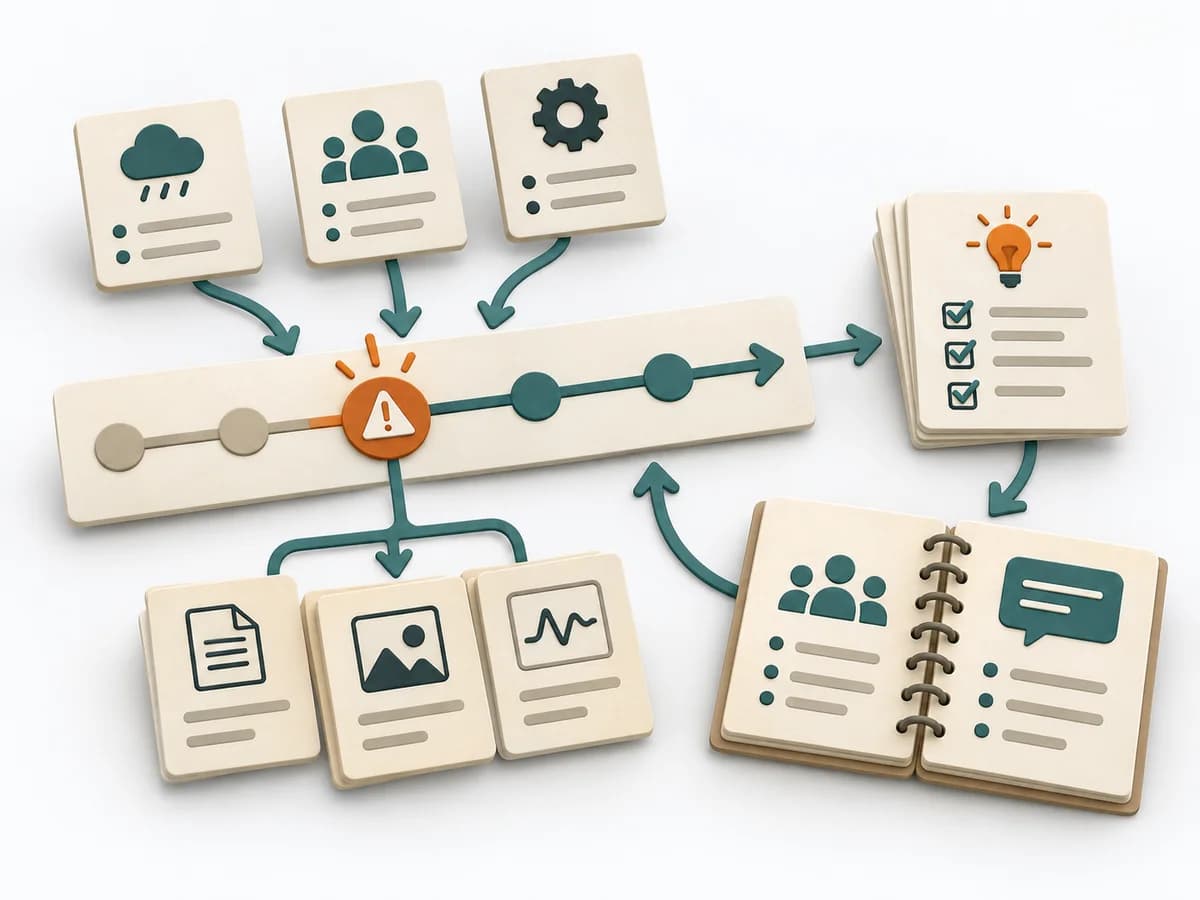 DevOps Blameless Postmortem | 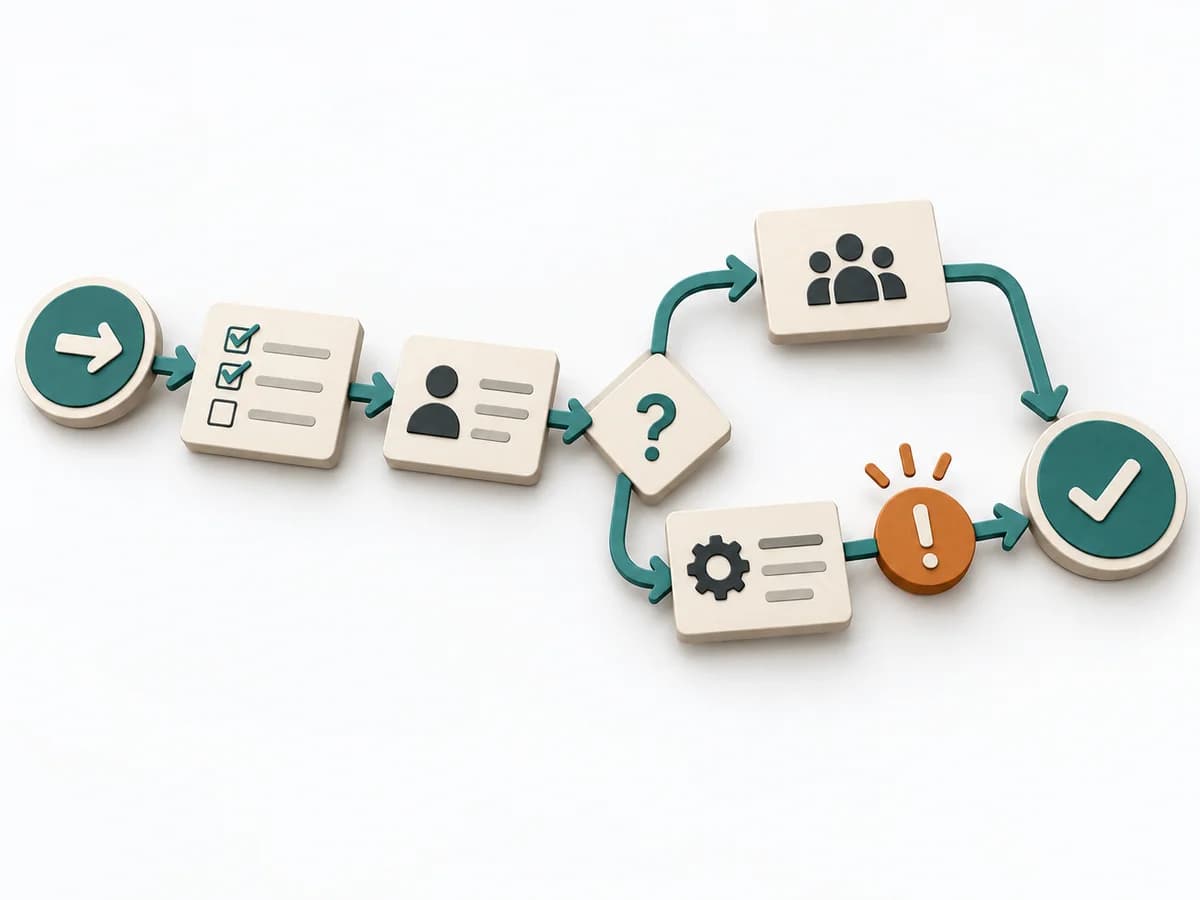 Operations Process Mapping | 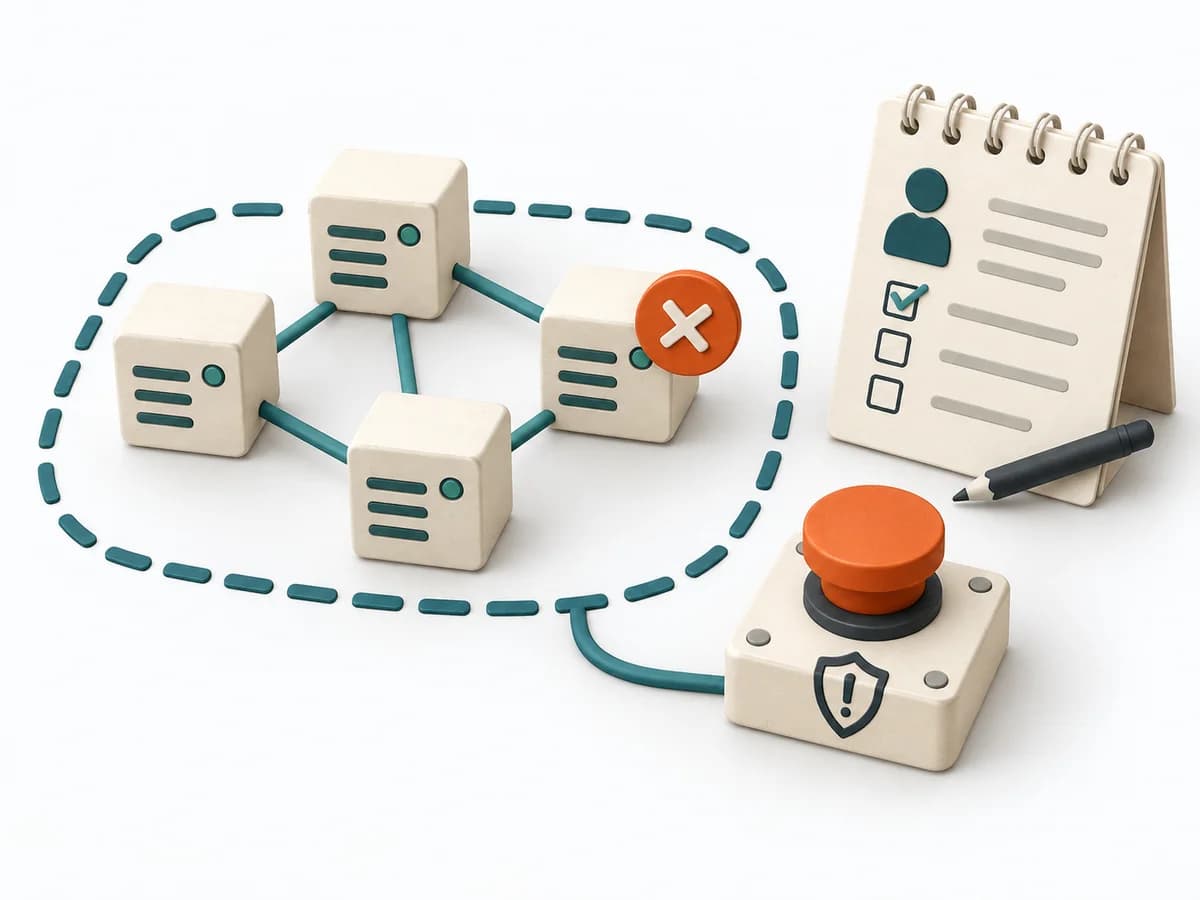 DevOps Game Day | 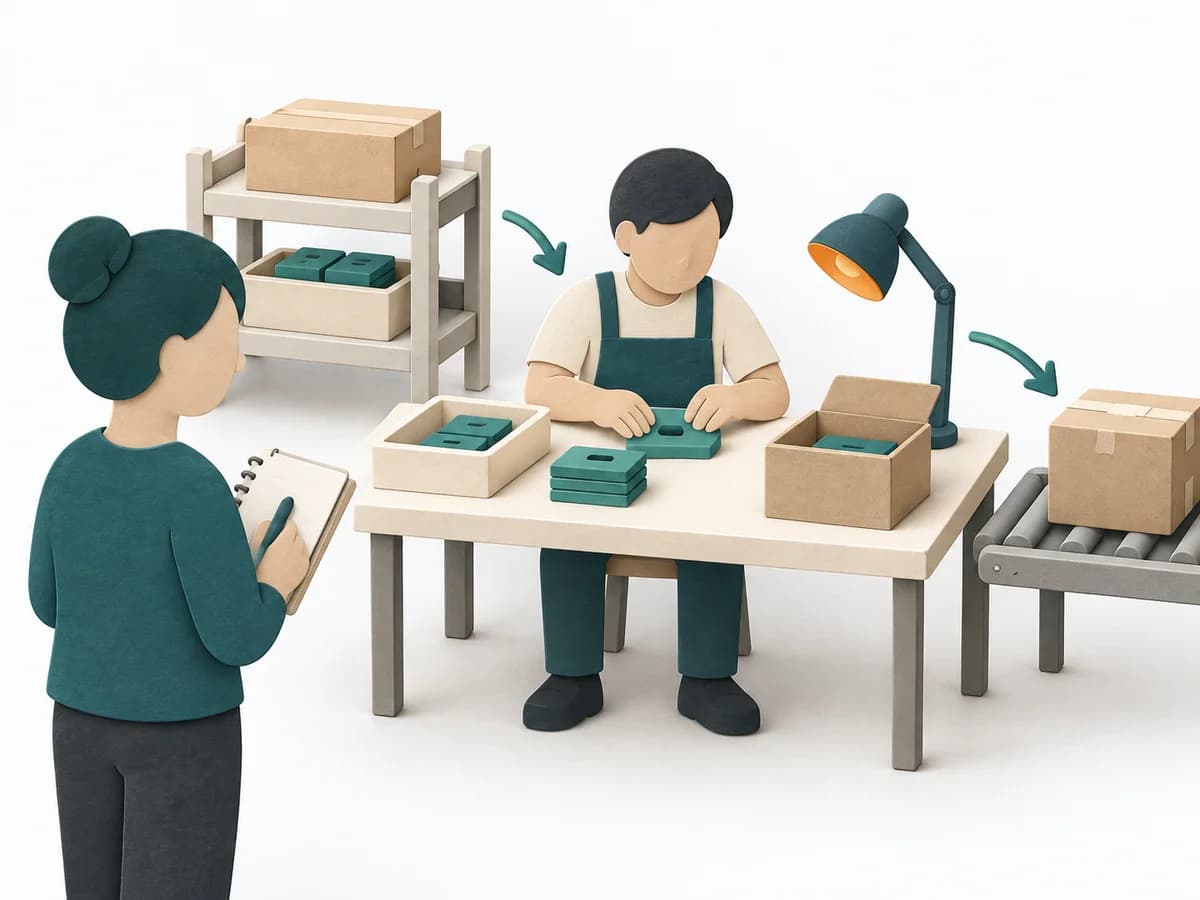 Operations Gemba Walk |
|---|---|---|---|---|
Purposedifferent | After an incident with damage or a near miss, the method creates a sober field for learning without assigning blame. It directs attention to the course of events, conditions, and effective countermeasures. | With a confusing workflow that has many handoffs, the method makes the actual process visible. It shows where work is passed on, delayed, or duplicated, so improvement targets the right spots. | In preparing for rare incidents, the method tests response capability under controlled conditions. It shows where assumptions about stability, roles, and recovery are too optimistic. | When there is uncertainty about the real course of a process, the method brings observation to the place where work happens. It combines perception, follow-up questions, and process knowledge so decisions rest on actual workflows instead of assumptions. |
Complexitydifferent | Medium | Medium | High | Low |
Timedifferent | 30-90 min | 1-3 h | Halber Tag | 30-120 min |
Participantsdifferent | 3-12 | 3-10 | 5-20 | 2-6 |
Formatdifferent | Workshop + async | Workshop | Workshop | Workshop |
Outputdifferent | Postmortem Doc, Action Items, Timeline | Process Map, Handoff List, Improvement Backlog | Simulation Notes, Gaps List, Updated Runbooks | Observation Notes, Improvement Ideas |
Tagsno overlap | Site Reliability EngineeringIncidentLearningReliability | ProcessOperationsImprovement | ResilienceOperationsIncident | LeanObservationProcessOperations |