View methods side by side.
Choose up to four methods. Add them using the search and share the comparison by copying its link.
| Criterion | 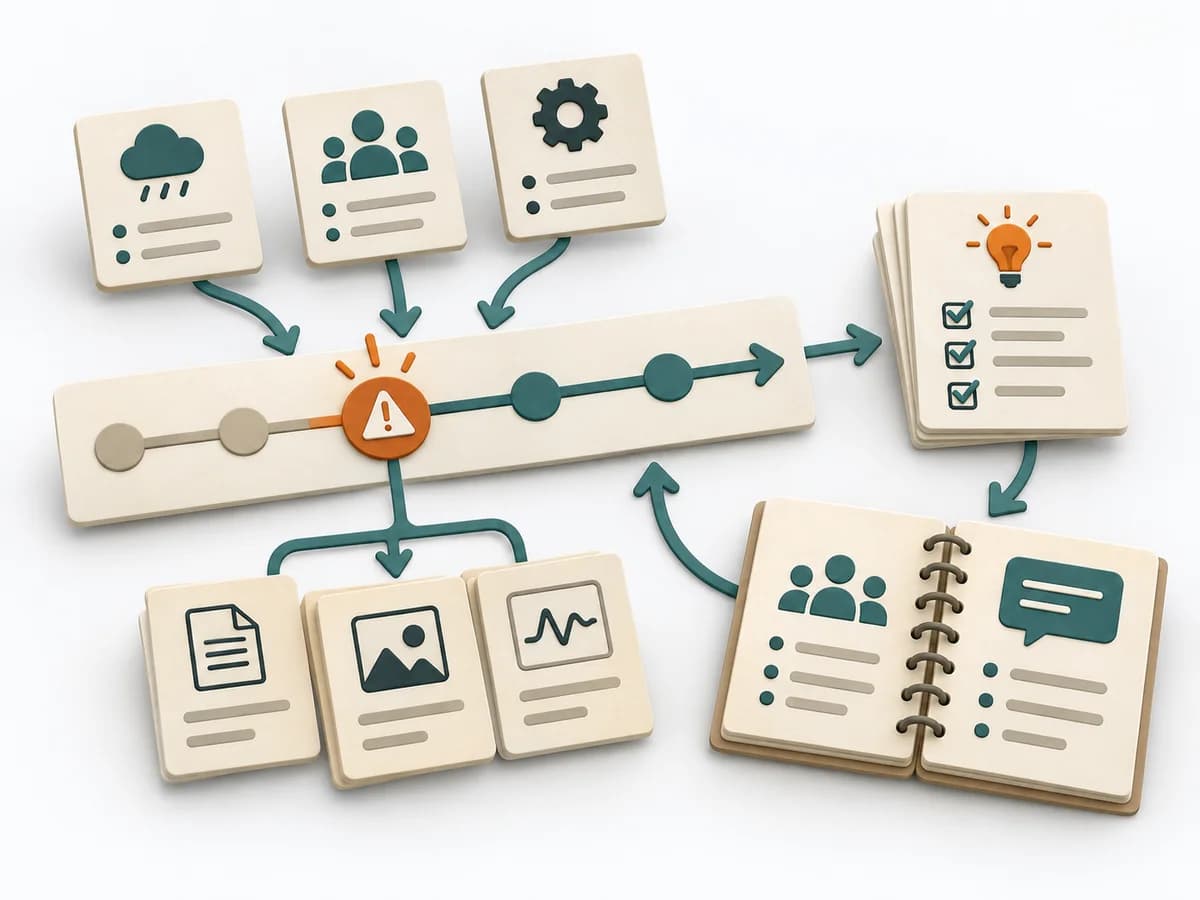 DevOps Blameless Postmortem | 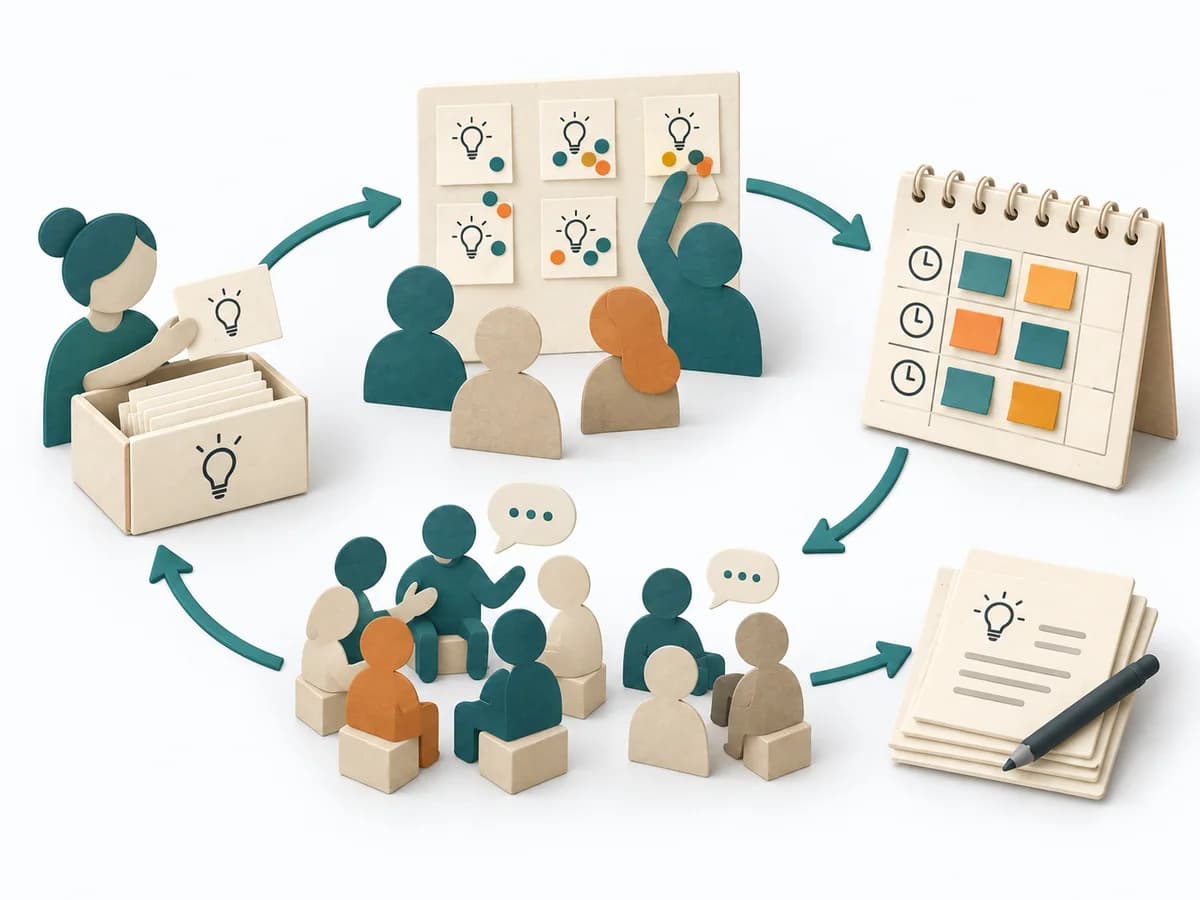 Facilitation Barcamp |  Facilitation Stakeholder Mapping |  Facilitation Stakeholder Salience Model |
|---|---|---|---|---|
Purposedifferent | After an incident with damage or a near miss, the method creates a sober field for learning without assigning blame. It directs attention to the course of events, conditions, and effective countermeasures. | When many people can contribute knowledge and the flow should stay open, Barcamp provides a framework for self-organized sessions. The format channels energy without defining the content too narrowly in advance. | When an initiative depends on many people, interests, and power dynamics, Stakeholder Mapping systematically orders the environment. It shows who influences, who is affected, and where relationship management or safeguarding matters first. | When stakeholders appear to matter very differently, the Stakeholder Salience Model rates their actual priority through power, legitimacy, and urgency. It turns individual contributions into a visible selection. The result is captured as a Salience diagram and a class-based strategy. |
Complexitydifferent | Medium | Medium | Low | Medium |
Timedifferent | 30-90 min | Halber Tag bis 2 Tage | 60–90 min | 60-90 min |
Participantsdifferent | 3-12 | 15-200 | 2-8 | 3-6 |
Formatdifferent | Workshop + async | Workshop | Workshop + async | Workshop |
Outputdifferent | Postmortem Doc, Action Items, Timeline | Session Board, Session Notes, Community Learnings | Stakeholder Map, Engagement Plan, Risk Notes | Salience Diagram, Strategy per Class |
Tagsno overlap | Site Reliability EngineeringIncidentLearningReliability | FacilitationLarge groupLearning | StakeholdersAlignmentFacilitationChange | StakeholdersFacilitationAlignmentGovernance |