View methods side by side.
Choose up to four methods. Add them using the search and share the comparison by copying its link.
| Criterion | 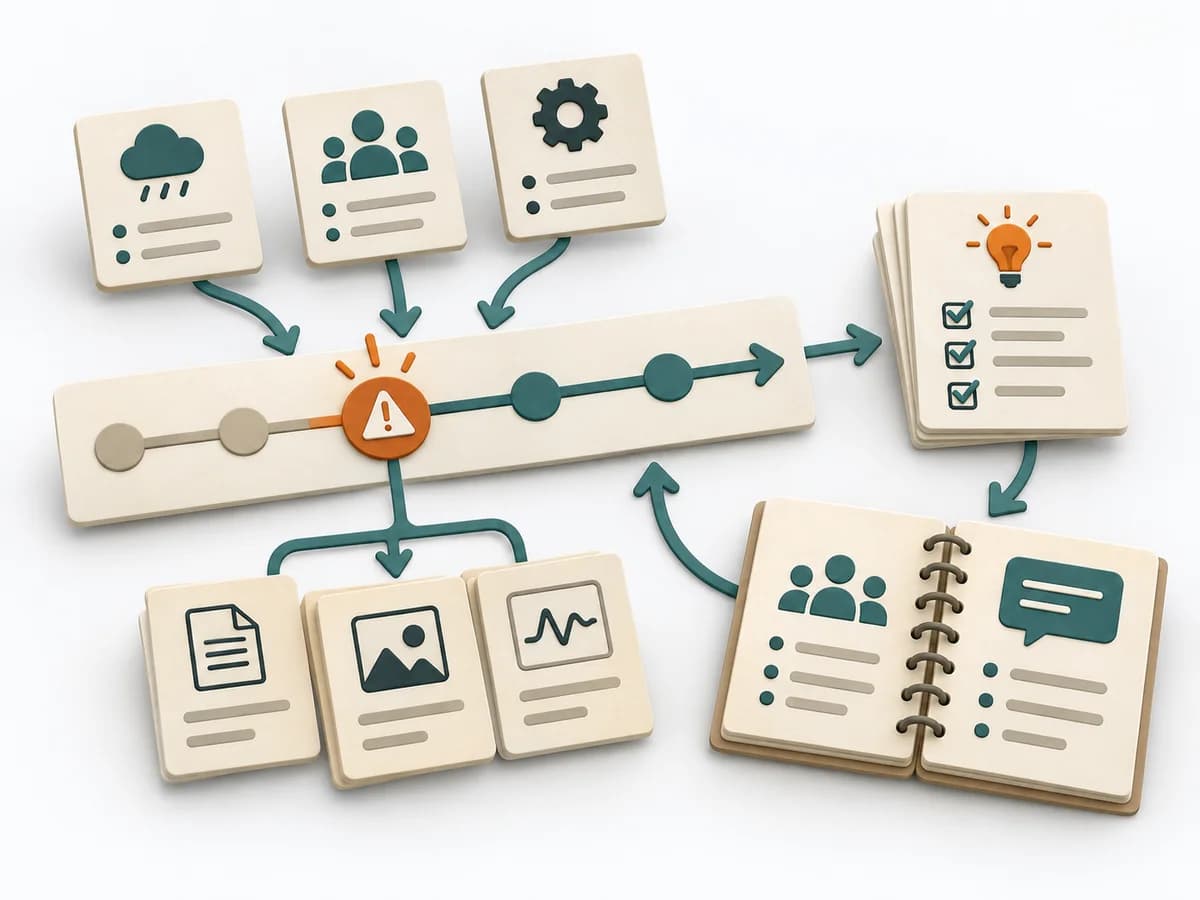 DevOps Blameless Postmortem | 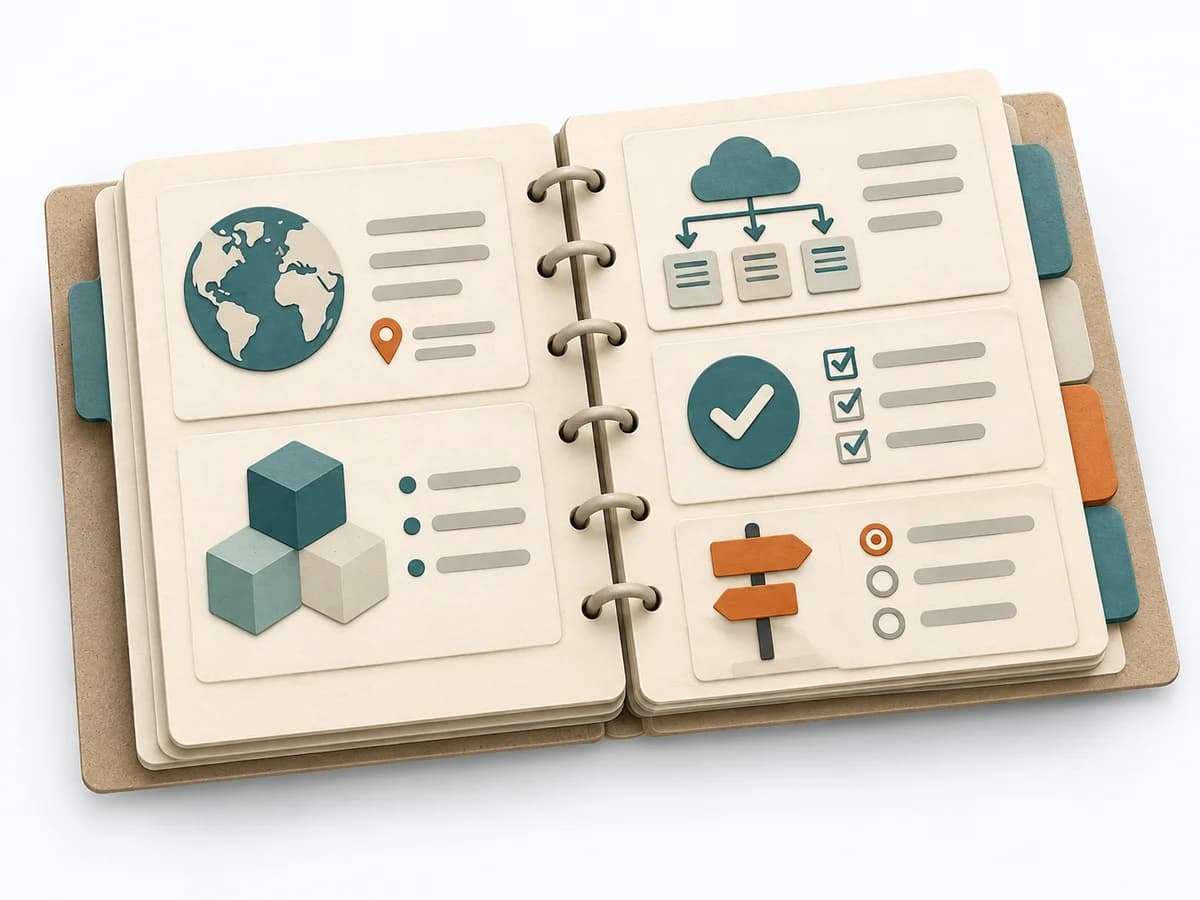 Architecture arc42 | 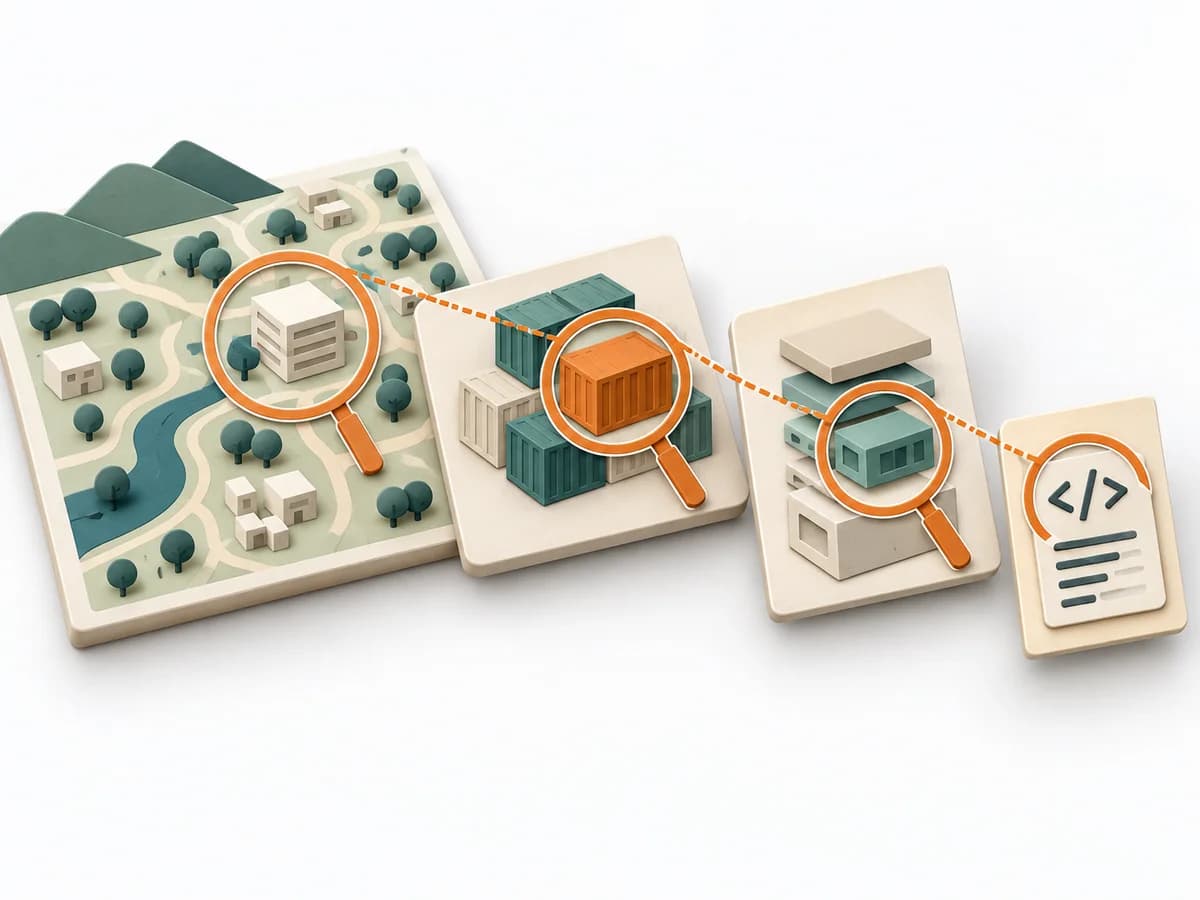 Architecture C4 Model | 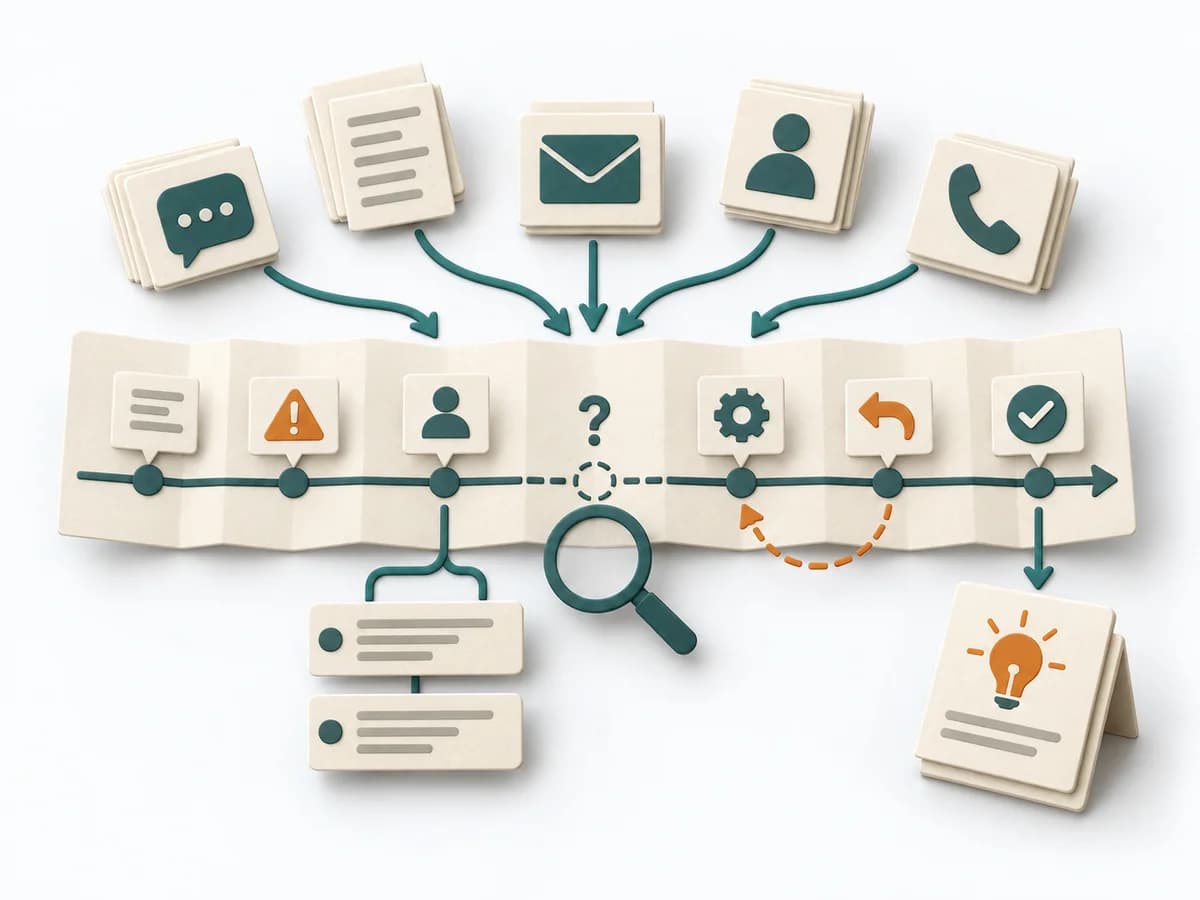 DevOps Incident Timeline Analysis |
|---|---|---|---|---|
Purposedifferent | After an incident with damage or a near miss, the method creates a sober field for learning without assigning blame. It directs attention to the course of events, conditions, and effective countermeasures. | arc42 structures architecture knowledge so teams can document system, decisions, and risks consistently. The template builds a living understanding of the architecture instead of scattered notes. | The C4 Model makes a system legible across several resolution levels, from context down to code. It suits situations where different audiences need to understand the same architecture from different altitudes. | For an incident with an unclear sequence, the method makes the timeline precisely visible. It separates perception, reaction, and delay so cause and effect become more clearly readable. |
Complexitydifferent | Medium | Low | Low | Medium |
Timedifferent | 30-90 min | 1-2 Tage | 1-4 h | 60-180 min |
Participantsdifferent | 3-12 | 1-4 | 1-5 | 3-10 |
Formatsame | Workshop + async | Workshop + async | Workshop + async | Workshop + async |
Outputdifferent | Postmortem Doc, Action Items, Timeline | Architecture Document, Context View, Runtime View, Deployment View | Context Diagram, Container Diagram, Component Diagram | Incident Timeline, Evidence Log, Delay Analysis, Improvement Actions |
Tagsno overlap | Site Reliability EngineeringIncidentLearningReliability | ArchitectureDocumentationCommunication | ArchitectureCommunicationVisualization | IncidentTimelineSite Reliability Engineering |