View methods side by side.
Choose up to four methods. Add them using the search and share the comparison by copying its link.
| Criterion |  Facilitation Barcamp | 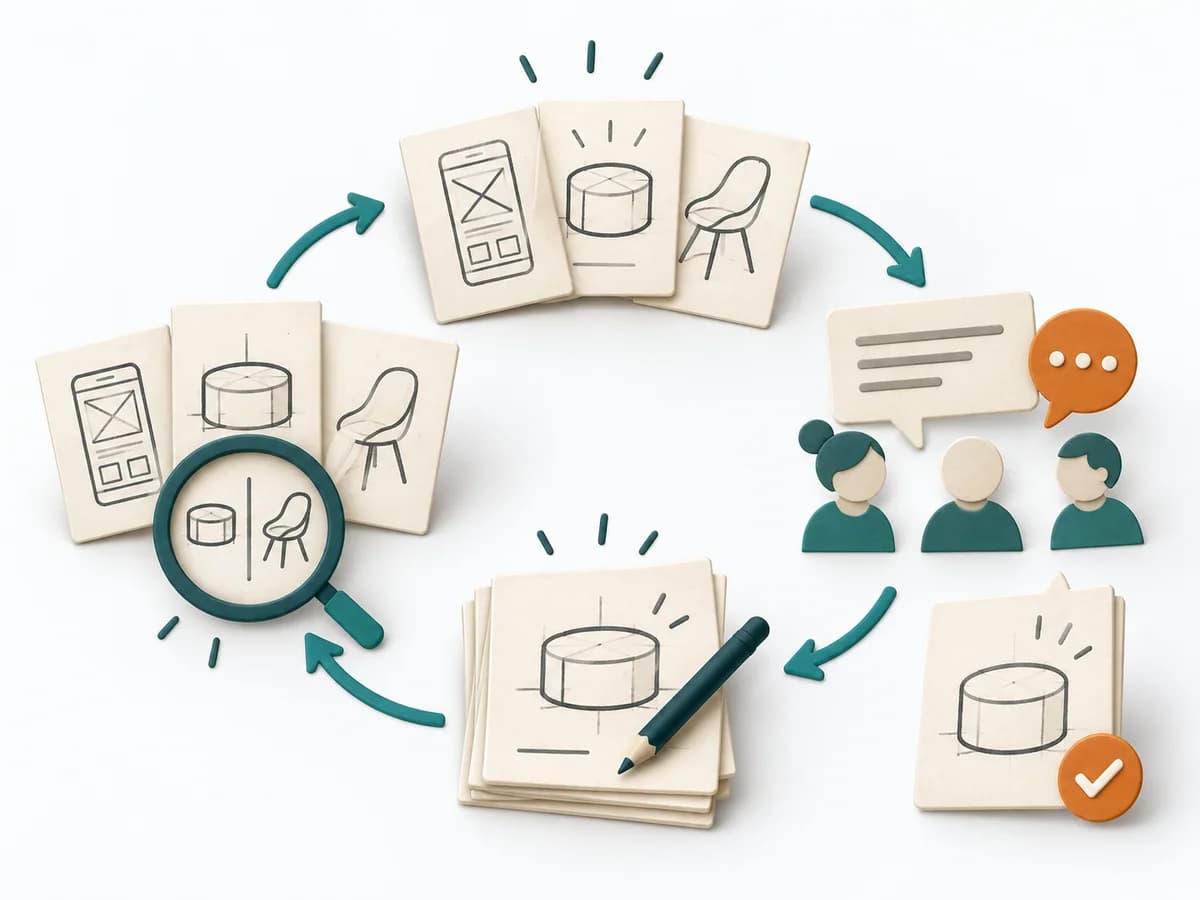 UX Design Design Studio | 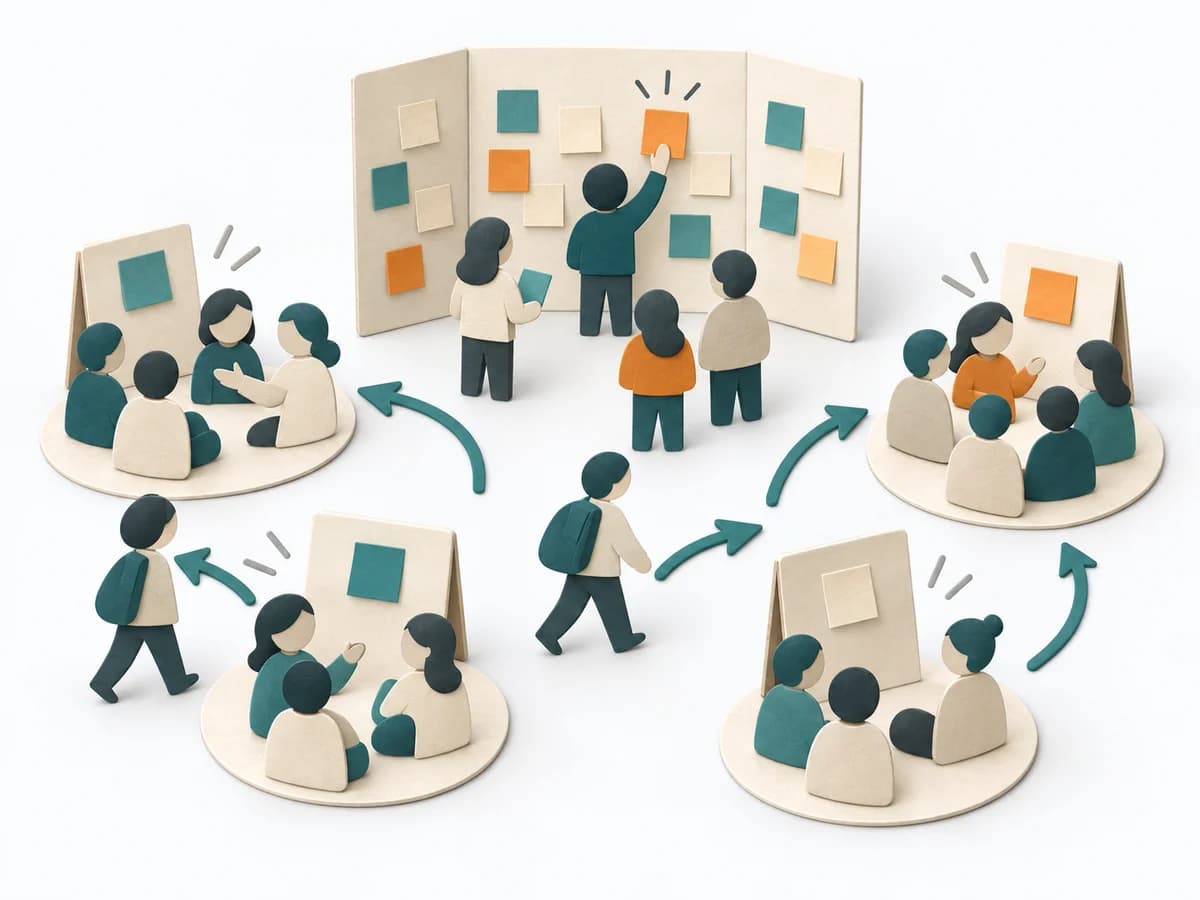 Facilitation Open Space Technology |  Innovation Design Charrette |
|---|---|---|---|---|
Purposedifferent | When many people can contribute knowledge and the flow should stay open, Barcamp provides a framework for self-organized sessions. The format channels energy without defining the content too narrowly in advance. | When several designs need to be quickly put in relation to each other, it makes ideas visible and comparable. It encourages early variants instead of long upfront debates. | When a complex topic does not yet have a fitting agenda, Open Space Technology hands topic ownership back to the participants. The format suits questions that only move forward when real interest determines the order. | In a tightly timed design process with many participants, the method pools several lines of thinking in a short time. It brings parallel design energy without letting the discussion tip into endless coordination. This quickly produces solid directions for architecture or space. |
Complexitydifferent | Medium | Medium | High | Medium |
Timedifferent | Halber Tag bis 2 Tage | 1-3 h | 0.5-2 Tage | Halber Tag bis mehrere Tage |
Participantsdifferent | 15-200 | 3-8 | 20-500+ | 10-50 |
Formatsame | Workshop | Workshop | Workshop | Workshop |
Outputdifferent | Session Board, Session Notes, Community Learnings | Sketches, Concept Directions, Design Decisions | Session Marketplace, Proceedings, Action Topics | Sketches and Concepts, Consolidated Solution Sketch, Prioritized Direction |
Tagsno overlap | FacilitationLarge groupLearning | SketchingCollaborationIdeation | FacilitationLarge groupAutonomy | BrainstormingWorkshopCollaborationIdeation |