View methods side by side.
Choose up to four methods. Add them using the search and share the comparison by copying its link.
Selected:ARID (Active Reviews for Intermediate Designs)Iceberg ModelMORT AnalysisBehavior Over Time Graph
| Criterion |  Architecture ARID (Active Reviews for Intermediate Designs) |  Systems Thinking Iceberg Model | 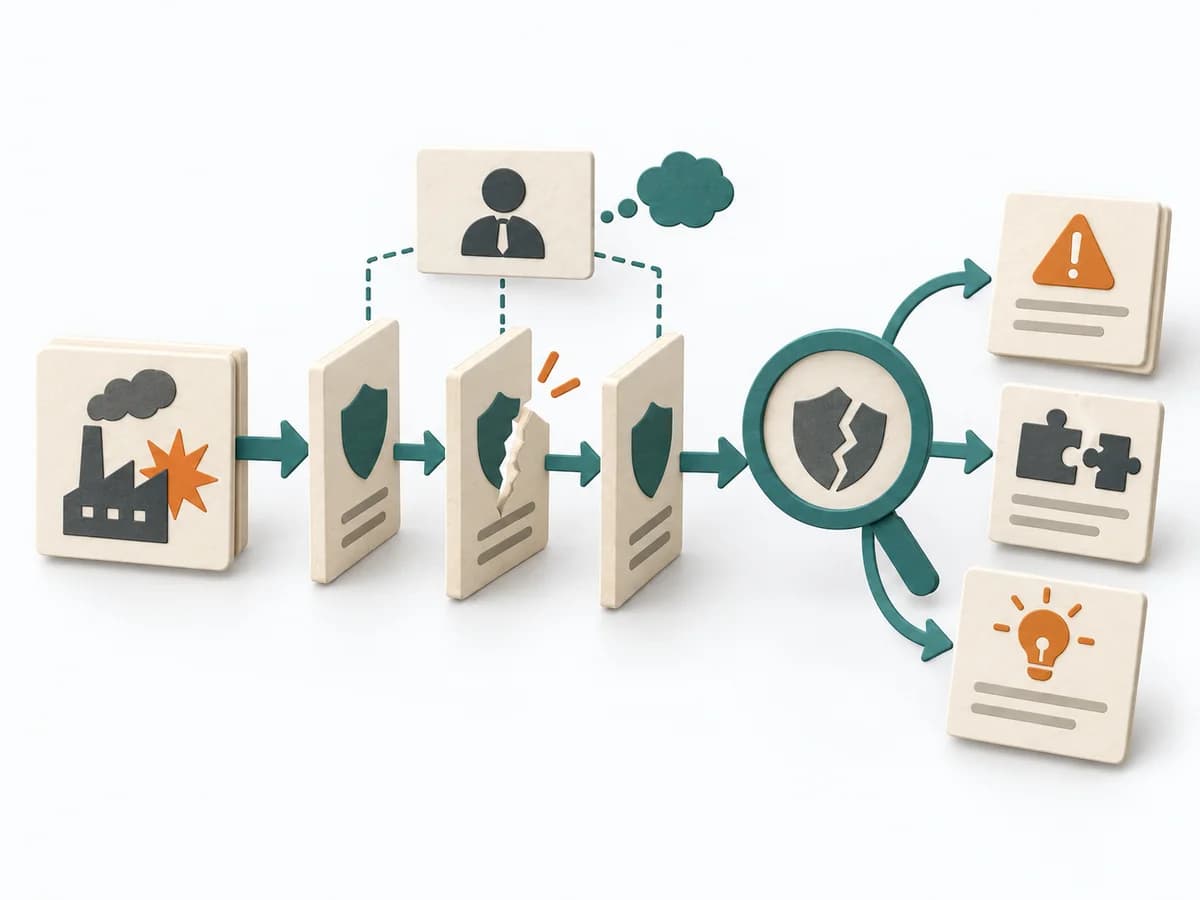 Operations MORT Analysis | 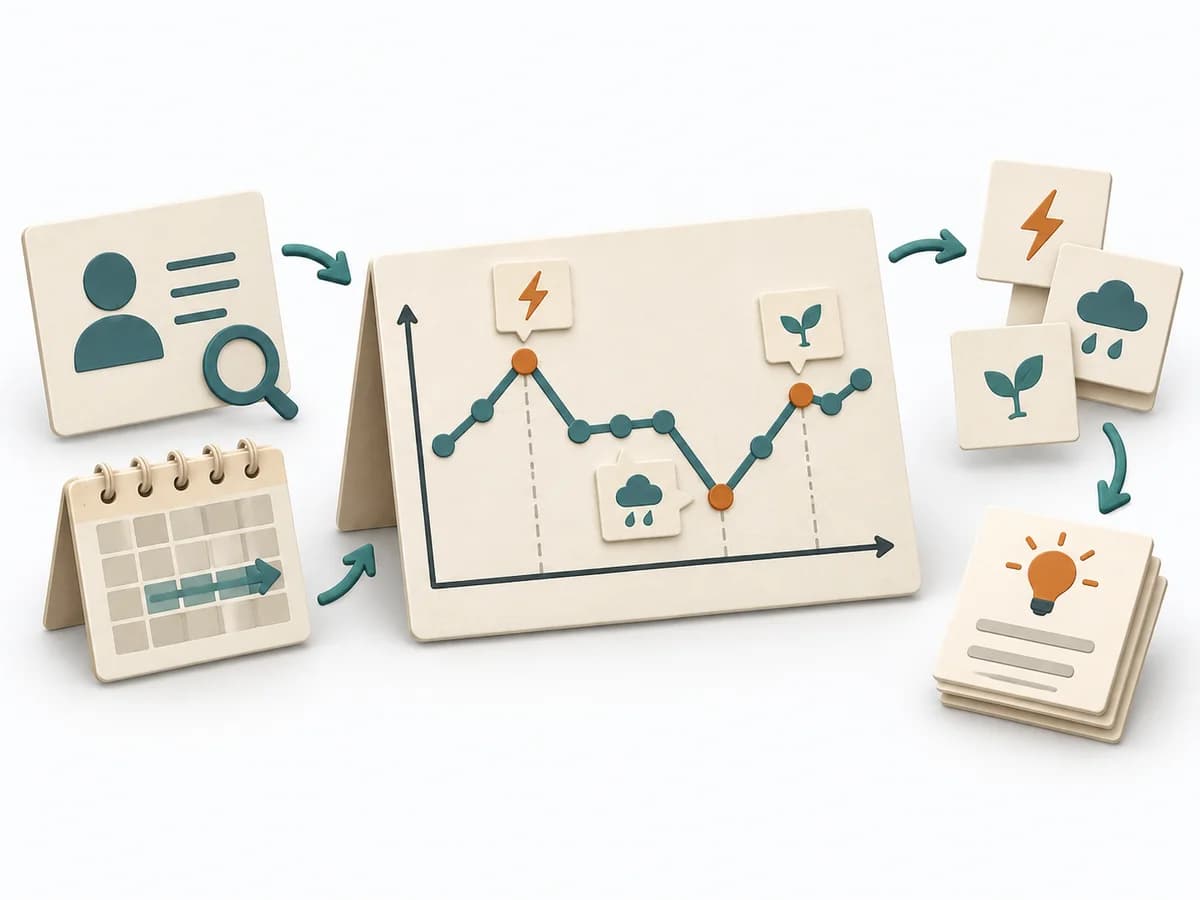 Systems Thinking Behavior Over Time Graph |
|---|---|---|---|---|
Purposedifferent | ARID examines how well developers can work with a technical design. It focuses on a part of the system that can still be revised, between the architecture overview and the detailed specification. | The Iceberg Model separates visible events from patterns, structures, and mental models. This turns a single observation into a deeper understanding of why a problem keeps recurring. | For a safety-relevant event or a system with high protection requirements, the method examines where controls failed. It exposes both technical and organizational gaps. | A Behavior Over Time Graph shows how a metric or observation develops over time. The method makes trends, breaks, and recurring patterns visible that get lost in snapshots. |
Complexitydifferent | Medium | Low | High | Low |
Timedifferent | 2–4 h review as a planning range; preparation and evaluation additional | 30-60 min | Mehrere Tage bis Wochen | 20-45 min |
Participantsdifferent | Designers, developers as users, and facilitation | 2-10 | 2-6 | 1-10 |
Formatsame | Workshop + async | Workshop + async | Workshop + async | Workshop + async |
Outputdifferent | Prioritized development tasks, Jointly produced code or pseudocode, Observed difficulties and open design questions, Proposed design revisions | Iceberg Worksheet, Pattern Notes, Intervention Ideas | MORT Worksheets, Findings per Branch, Corrective Actions, Systemic Recommendations | Behavior Over Time Graph, Trend Hypotheses, Key Events |
Tagsno overlap | ArchitectureEngineeringFeedbackValidationTasks | Systems thinkingRoot causePatterns | Root causeSafetySystemicIncident | Systems thinkingPatternsDynamics |