View methods side by side.
Choose up to four methods. Add them using the search and share the comparison by copying its link.
| Criterion |  Architecture ARID (Active Reviews for Intermediate Designs) | 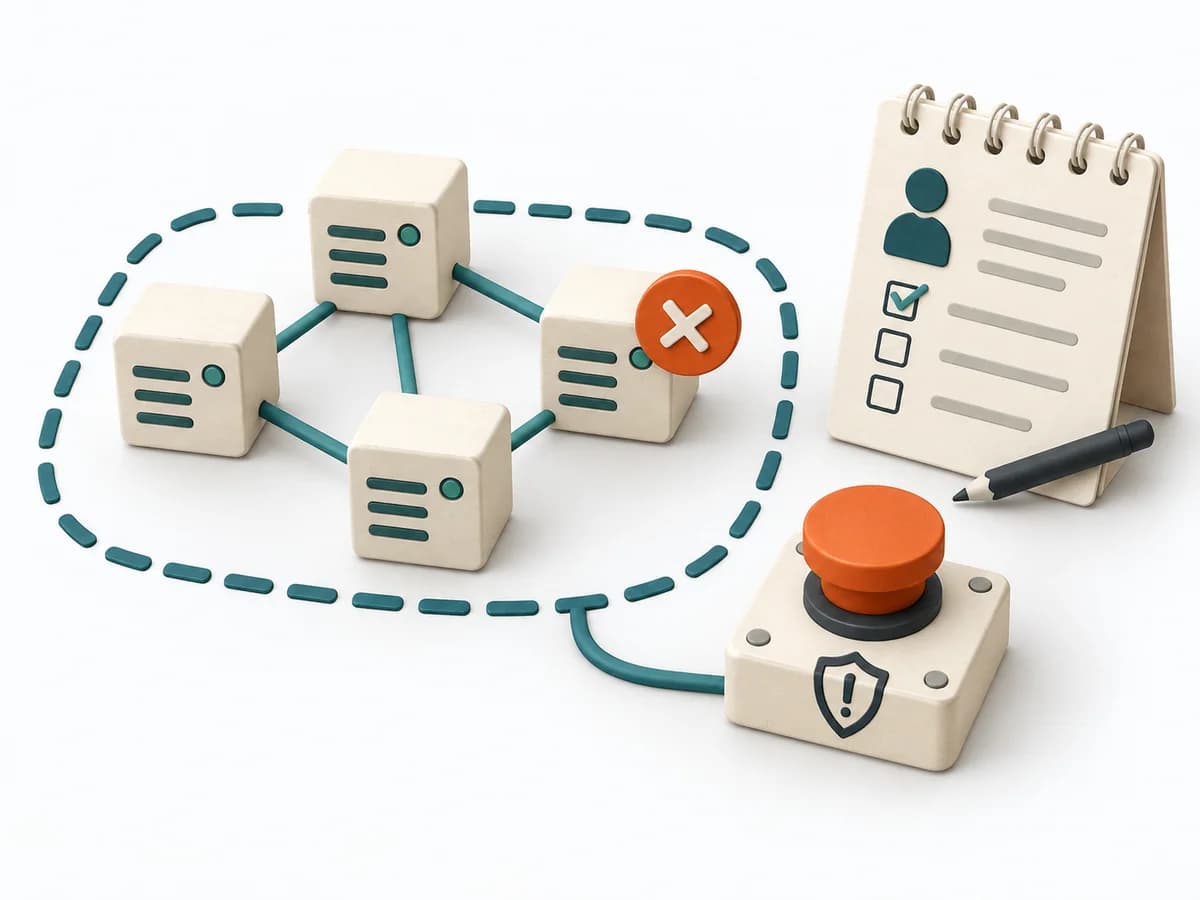 DevOps Game Day |  Operations ALPEN Method |  DevOps Incident Command |
|---|---|---|---|---|
Purposedifferent | ARID examines how well developers can work with a technical design. It focuses on a part of the system that can still be revised, between the architecture overview and the detailed specification. | In preparing for rare incidents, the method tests response capability under controlled conditions. It shows where assumptions about stability, roles, and recovery are too optimistic. | With an overloaded day full of too many tasks, a realistic picture of the day emerges. The method connects estimating, deciding, and buffer thinking so planning fits available energy and time. | During an acute incident with several people involved, the method creates a clear leadership and communication structure. It reduces chaos when fast coordination and clean situational awareness are both needed at once. |
Complexitydifferent | Medium | High | Low | Medium |
Timedifferent | 2–4 h review as a planning range; preparation and evaluation additional | Halber Tag | 10-20 min daily | As needed |
Participantsdifferent | Designers, developers as users, and facilitation | 5-20 | 1 | 4-15 |
Formatdifferent | Workshop + async | Workshop | Async | Workshop + async |
Outputdifferent | Prioritized development tasks, Jointly produced code or pseudocode, Observed difficulties and open design questions, Proposed design revisions | Simulation Notes, Gaps List, Updated Runbooks | Daily Plan, Time Estimates, Review Notes | Incident Log, Action Tracker, Stakeholder Updates |
Tagsno overlap | ArchitectureEngineeringFeedbackValidationTasks | ResilienceOperationsIncident | PlanningTime managementProductivityOperations | IncidentOperationsReliability |