View methods side by side.
Choose up to four methods. Add them using the search and share the comparison by copying its link.
| Criterion |  Architecture ARID (Active Reviews for Intermediate Designs) |  DevOps Blameless Postmortem | 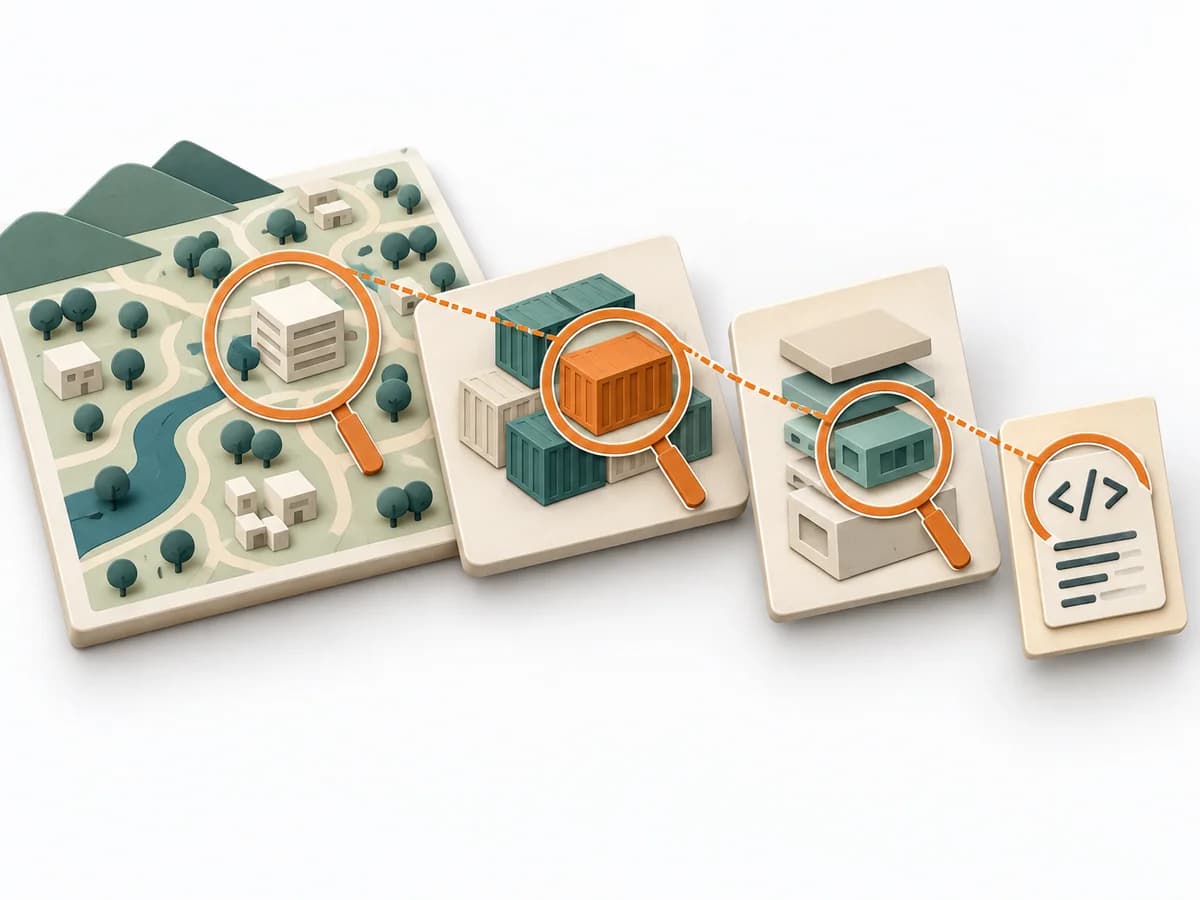 Architecture C4 Model | 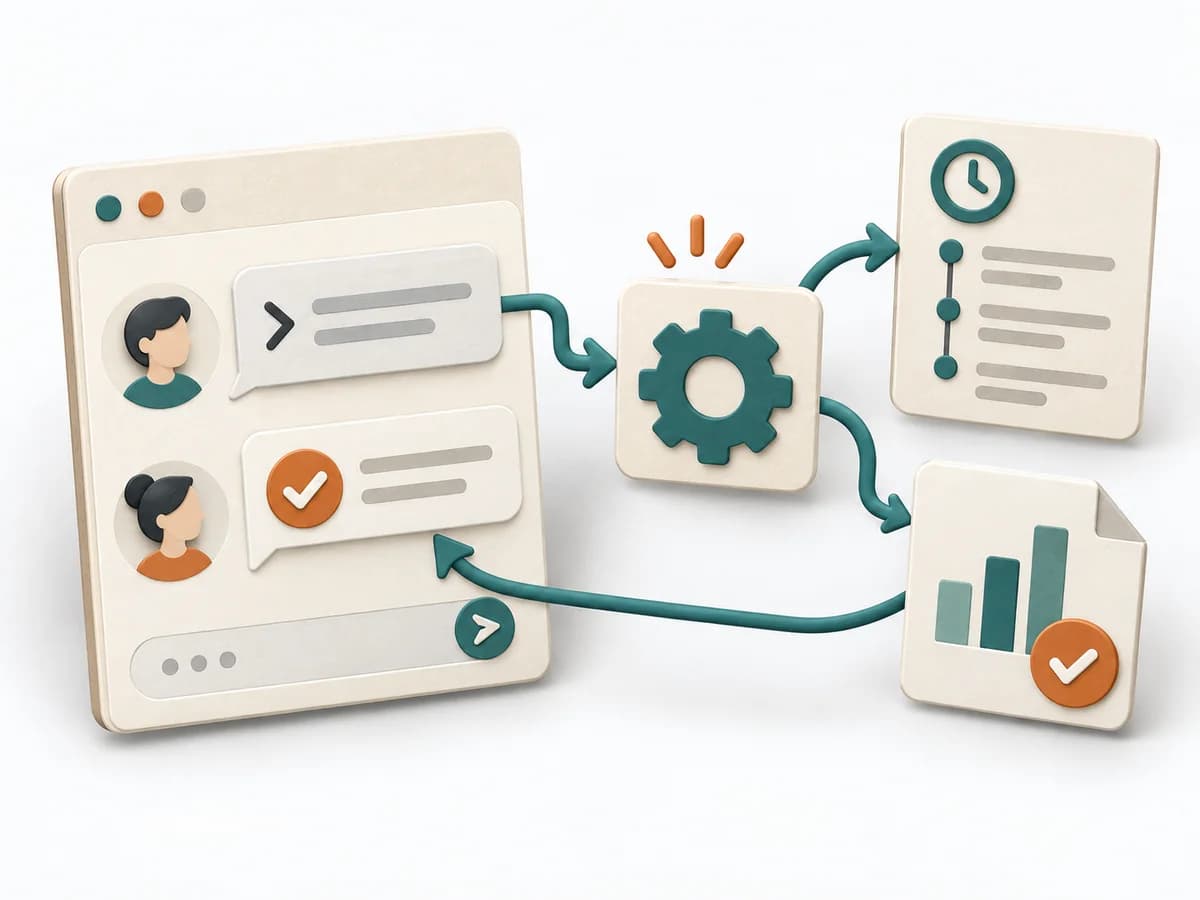 DevOps ChatOps |
|---|---|---|---|---|
Purposedifferent | ARID examines how well developers can work with a technical design. It focuses on a part of the system that can still be revised, between the architecture overview and the detailed specification. | After an incident with damage or a near miss, the method creates a sober field for learning without assigning blame. It directs attention to the course of events, conditions, and effective countermeasures. | The C4 Model makes a system legible across several resolution levels, from context down to code. It suits situations where different audiences need to understand the same architecture from different altitudes. | For operational work in a distributed team, the method links communication with direct system control. It records decisions right where the signal, the context, and the execution come together. |
Complexitydifferent | Medium | Medium | Low | Medium |
Timedifferent | 2–4 h review as a planning range; preparation and evaluation additional | 30-90 min | 1-4 h | Ongoing |
Participantsdifferent | Designers, developers as users, and facilitation | 3-12 | 1-5 | 2-20 |
Formatsame | Workshop + async | Workshop + async | Workshop + async | Workshop + async |
Outputdifferent | Prioritized development tasks, Jointly produced code or pseudocode, Observed difficulties and open design questions, Proposed design revisions | Postmortem Doc, Action Items, Timeline | Context Diagram, Container Diagram, Component Diagram | Chat Transcript, Action Log, Automations |
Tagsno overlap | ArchitectureEngineeringFeedbackValidationTasks | Site Reliability EngineeringIncidentLearningReliability | ArchitectureCommunicationVisualization | CollaborationEngineeringIncident |