View methods side by side.
Choose up to four methods. Add them using the search and share the comparison by copying its link.
| Criterion | 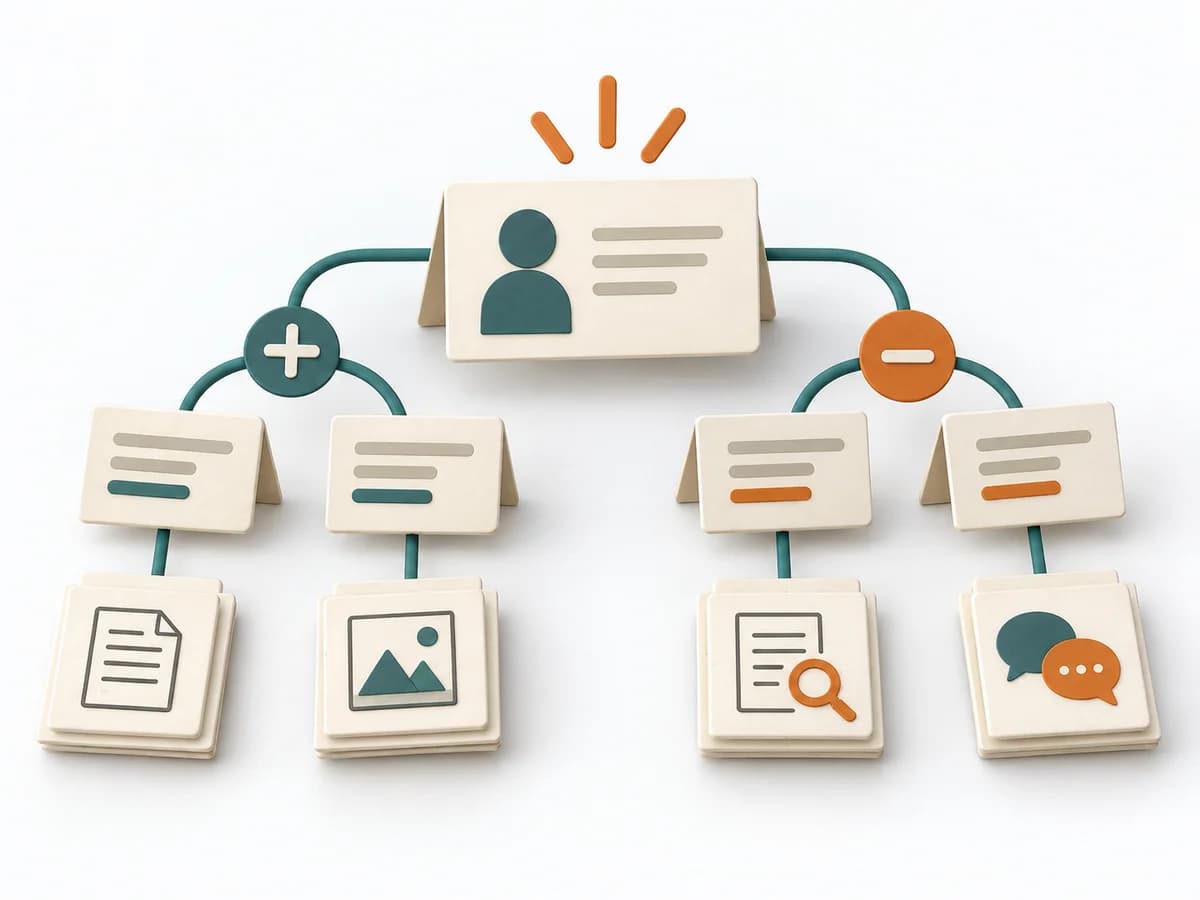 Decision Making Argument Mapping | 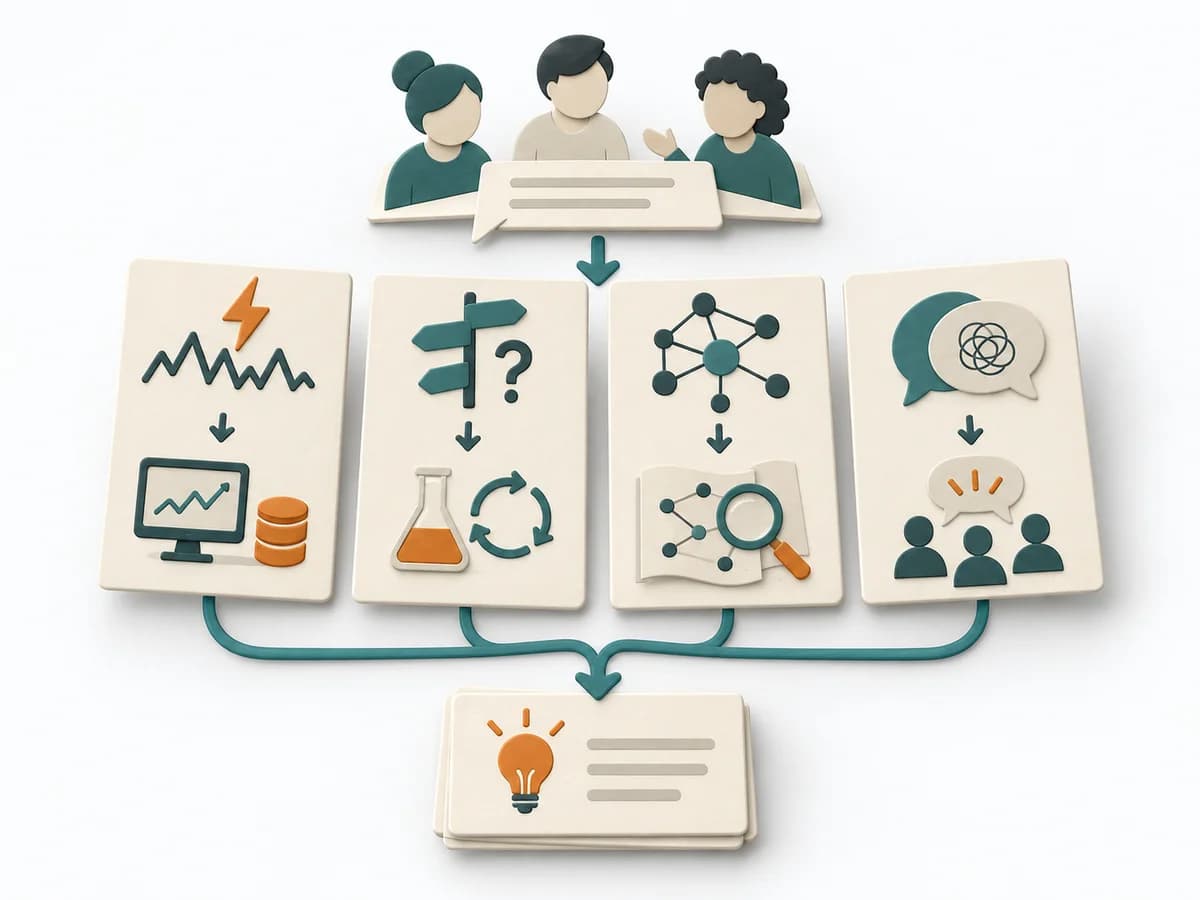 Systems Thinking VUCA Scan |  Facilitation Stakeholder Mapping |  Decision Making Force Field Analysis |
|---|---|---|---|---|
Purposedifferent | When statements, evidence, and counterarguments get mixed up, a debate quickly loses its structure. Argument Mapping breaks a thesis down into its reasoning and makes visible what it really rests on. | The VUCA Scan helps read difficult situations more precisely. Instead of treating unclarity as generally complicated, the method separates fast change, missing knowledge, systemic entanglement, and ambiguous interpretation. | When an initiative depends on many people, interests, and power dynamics, Stakeholder Mapping systematically orders the environment. It shows who influences, who is affected, and where relationship management or safeguarding matters first. | In change initiatives, supporting and restraining forces sit at the table at the same time. Force Field Analysis makes these tensions explicit and shows where change can be pushed forward by strengthening or relieving. |
Complexitydifferent | Medium | Low | Low | Low |
Timedifferent | 1-3 h | 30-90 min | 60–90 min | 45-90 min |
Participantsdifferent | 1-8 | 1-10 | 2-8 | 3-12 |
Formatdifferent | Workshop + async | Workshop + async | Workshop + async | Workshop |
Outputdifferent | Argument Map, Evidence Gaps, Decision Rationale | VUCA Map, Response Options, Signal and Learning Plan | Stakeholder Map, Engagement Plan, Risk Notes | Force Field Map, Change Levers, Risk Notes |
Tagsno overlap | SensemakingDecisionRationale | SensemakingUncertaintyComplexityStrategyForesight | StakeholdersAlignmentFacilitationChange | ChangeDecisionStrategy |