View methods side by side.
Choose up to four methods. Add them using the search and share the comparison by copying its link.
| Criterion | 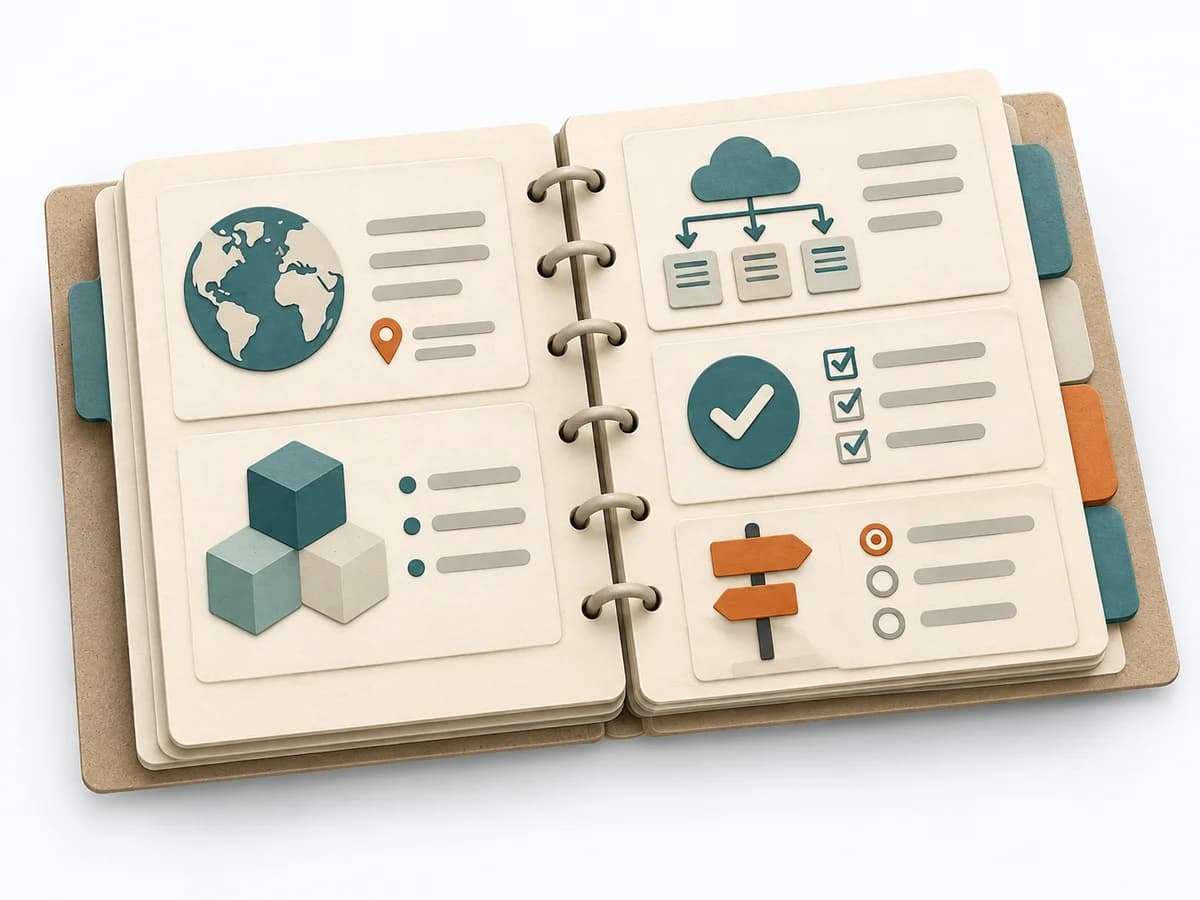 Architecture arc42 | 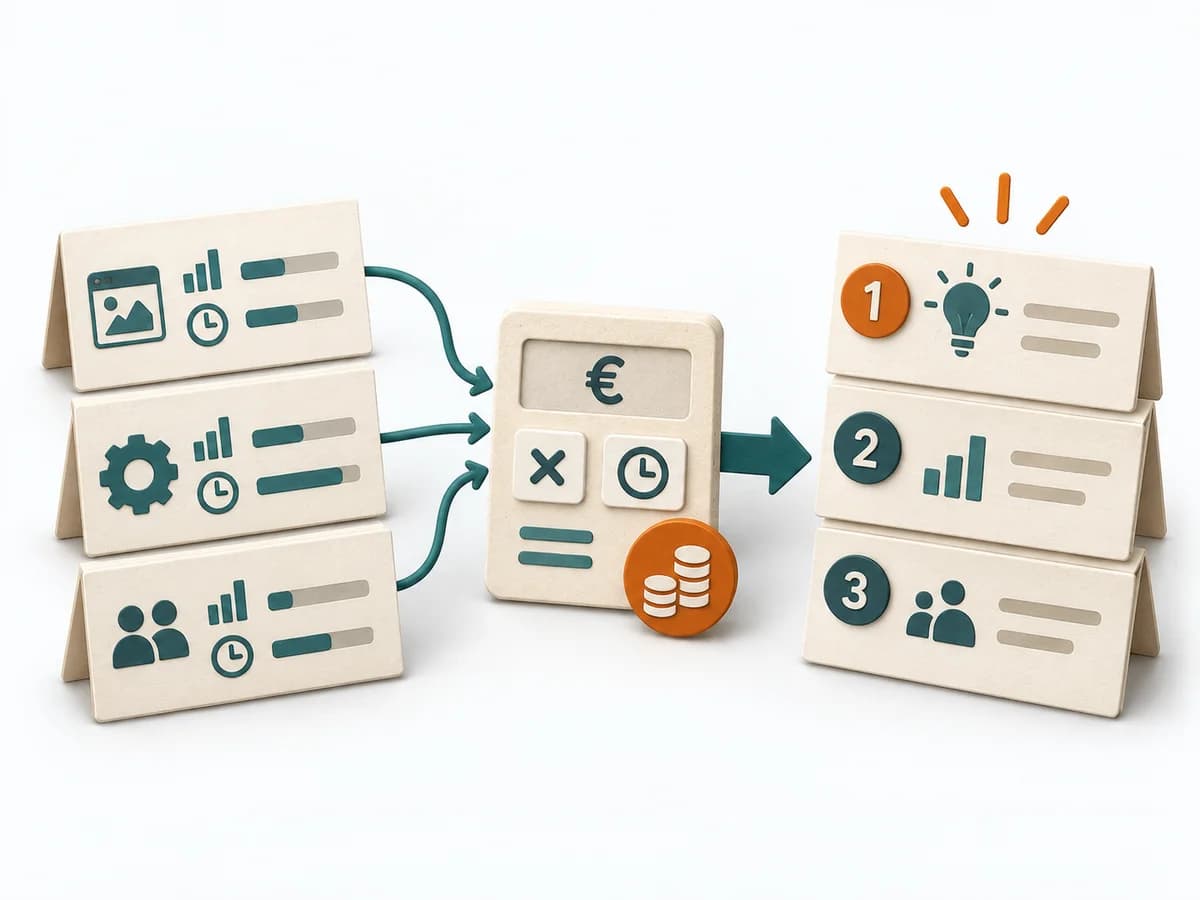 Delivery Cost of Delay |  Product Discovery Assumption Mapping | 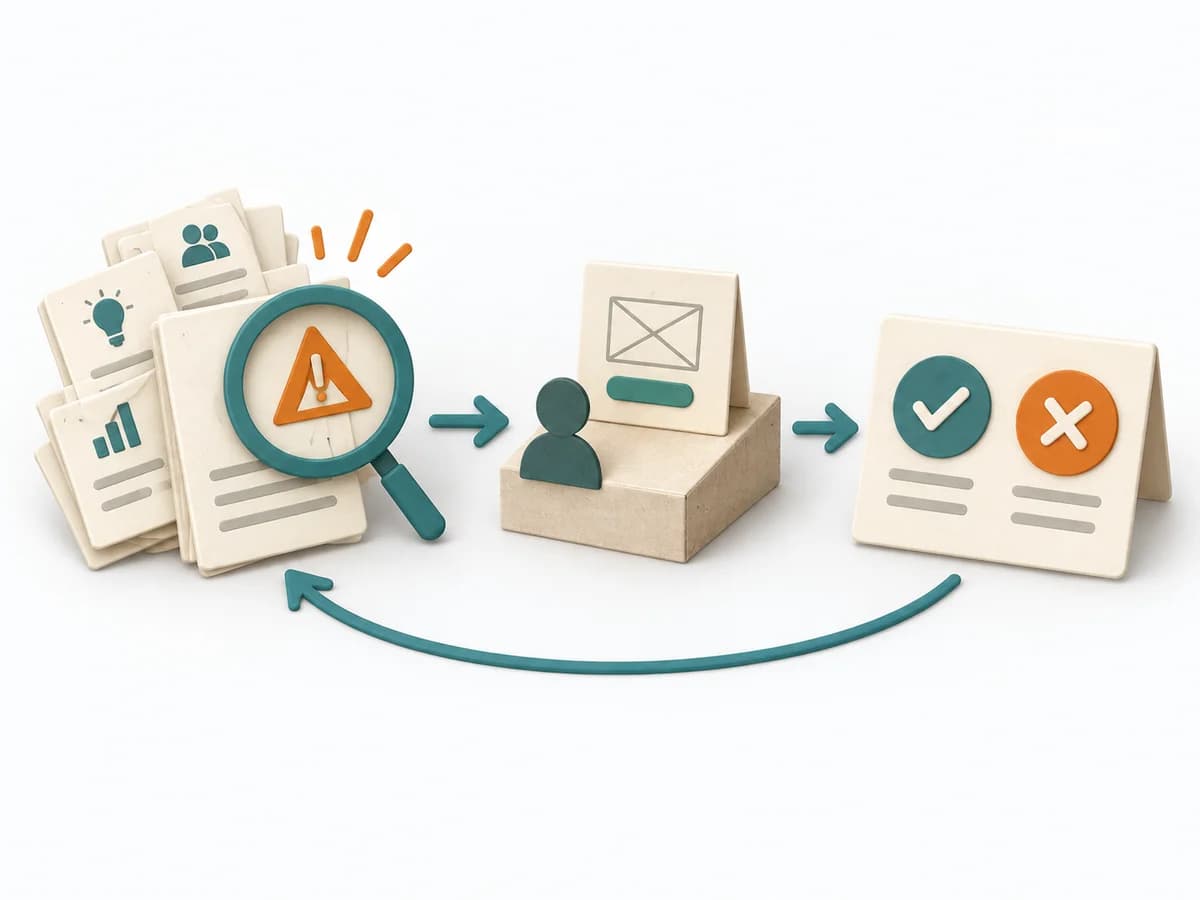 Product Discovery Riskiest Assumption Test |
|---|---|---|---|---|
Purposedifferent | arc42 structures architecture knowledge so teams can document system, decisions, and risks consistently. The template builds a living understanding of the architecture instead of scattered notes. | Helps clarify scope, order, and delivery flow in concrete terms. It makes work, constraints, and sequence manageable. The result is captured as a Cost of Delay table and prioritization sequence. | When assumptions still sit unordered in the room, it weighs uncertainty against leverage. It makes visible which hypotheses should be checked first. | When an idea hinges on one critical unknown, it prioritizes testing that exact piece of uncertainty first. It separates problem, assumption, solution, and evidence. The result is captured as a prioritized list of assumptions, a test plan, and a result report. |
Complexitydifferent | Low | High | Medium | Medium |
Timedifferent | 1-2 Tage | 90-180 min | 45-60 min | 1-2 Wochen pro Iteration |
Participantsdifferent | 1-4 | 3-8 | 2-8 | 2-6 |
Formatdifferent | Workshop + async | Workshop | Workshop + async | Workshop + async |
Outputdifferent | Architecture Document, Context View, Runtime View, Deployment View | CoD Table, Prioritization Sequence | Assumption map, Test backlog, Risk ranking | Prioritized Assumption List, Test Plan, Results Report |
Tagsno overlap | ArchitectureDocumentationCommunication | PrioritizationDeliveryEconomicsDecision | AssumptionsRiskExperimentsValidation | ExperimentsValidationDiscoveryAssumptions |