View methods side by side.
Choose up to four methods. Add them using the search and share the comparison by copying its link.
| Criterion |  Operations After-Action Review |  DevOps Incident Command | 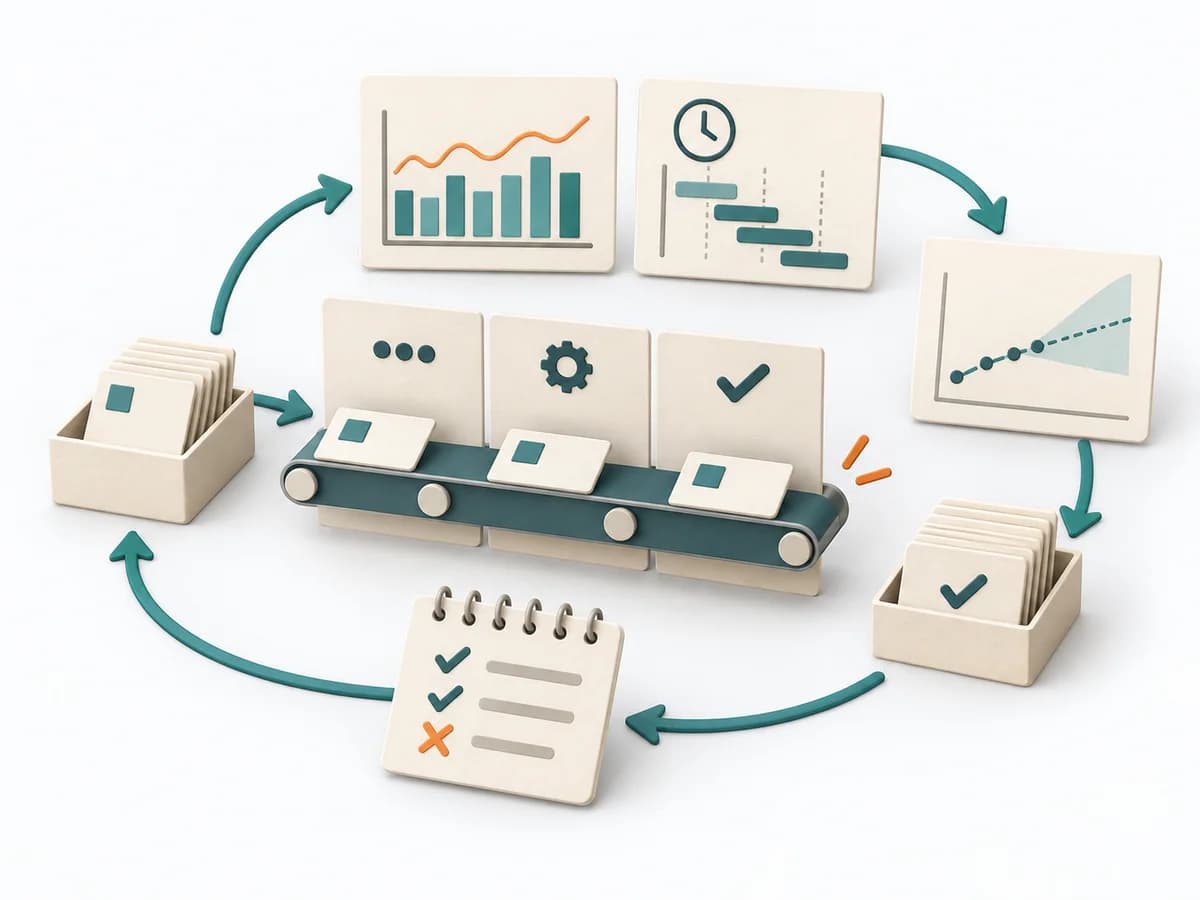 Agile NoEstimates | 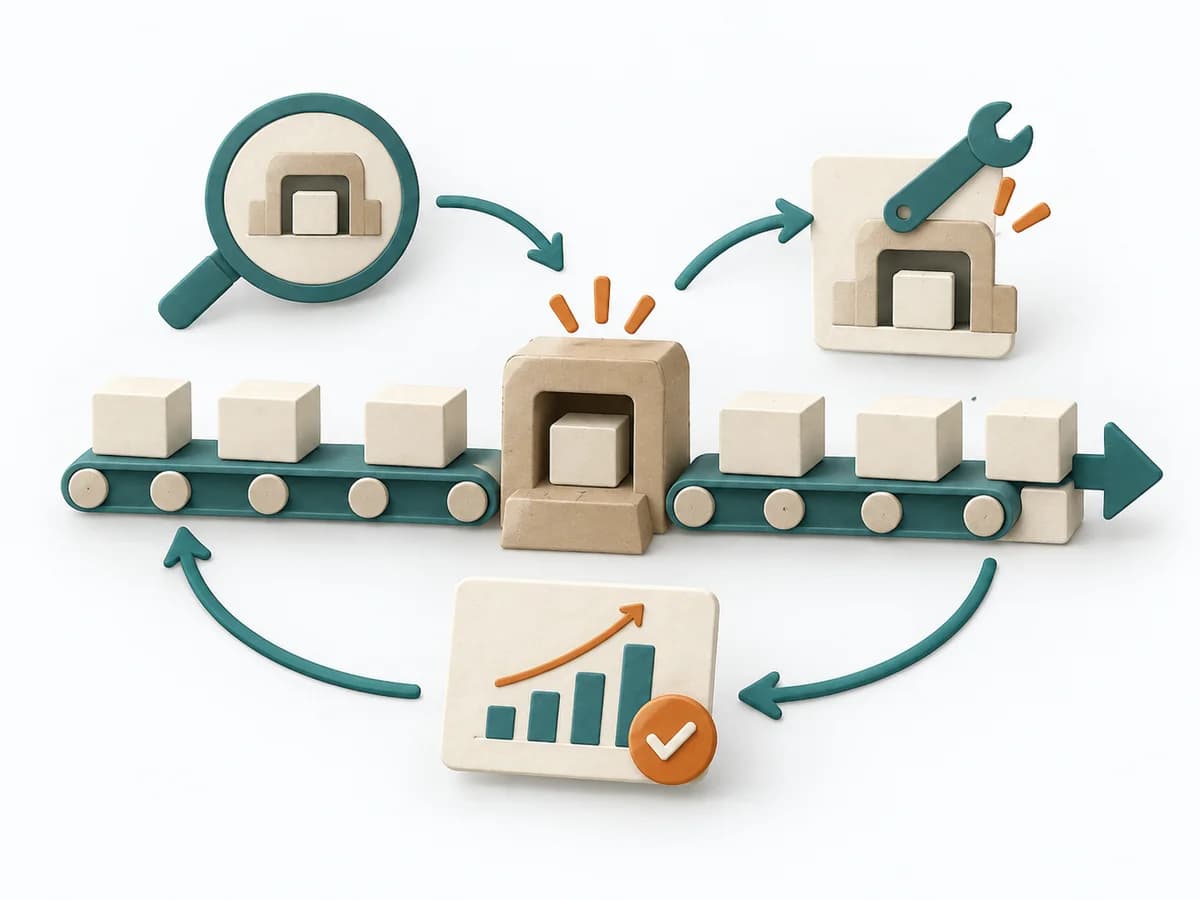 Operations Theory of Constraints |
|---|---|---|---|---|
Purposedifferent | After missions or project phases with unclear outcomes, the method makes visible what actually happened and what can be learned from it. It separates course, effect, and causes so experience turns into solid improvement. | During an acute incident with several people involved, the method creates a clear leadership and communication structure. It reduces chaos when fast coordination and clean situational awareness are both needed at once. | When estimating slows a team down more than it helps, it shifts the focus to flow, small slices, and real lead time. It sorts work by value, risk, and delivery ability. The result is captured as Throughput Data, Flow Forecast, and Slicing Rules. | For a system that does not get faster despite effort, the method directs attention to the bottleneck. It concentrates improvement on the point that actually limits throughput. |
Complexitydifferent | Low | Medium | Medium | High |
Timedifferent | 20-45 min | As needed | laufend | 2-4 h Analyse, laufend |
Participantsdifferent | 3-12 | 4-15 | 2-12 | 3-12 |
Formatsame | Workshop + async | Workshop + async | Workshop + async | Workshop + async |
Outputdifferent | Lessons learned, Action items, Event summary | Incident Log, Action Tracker, Stakeholder Updates | Throughput Data, Flow Forecast, Slicing Rules | Constraint Map, Improvement Plan, Flow Metrics |
Tagsno overlap | LearningOperationsImprovement | IncidentOperationsReliability | EstimationForecastingFlow | OperationsConstraintsFlowImprovement |