View methods side by side.
Choose up to four methods. Add them using the search and share the comparison by copying its link.
| Criterion | 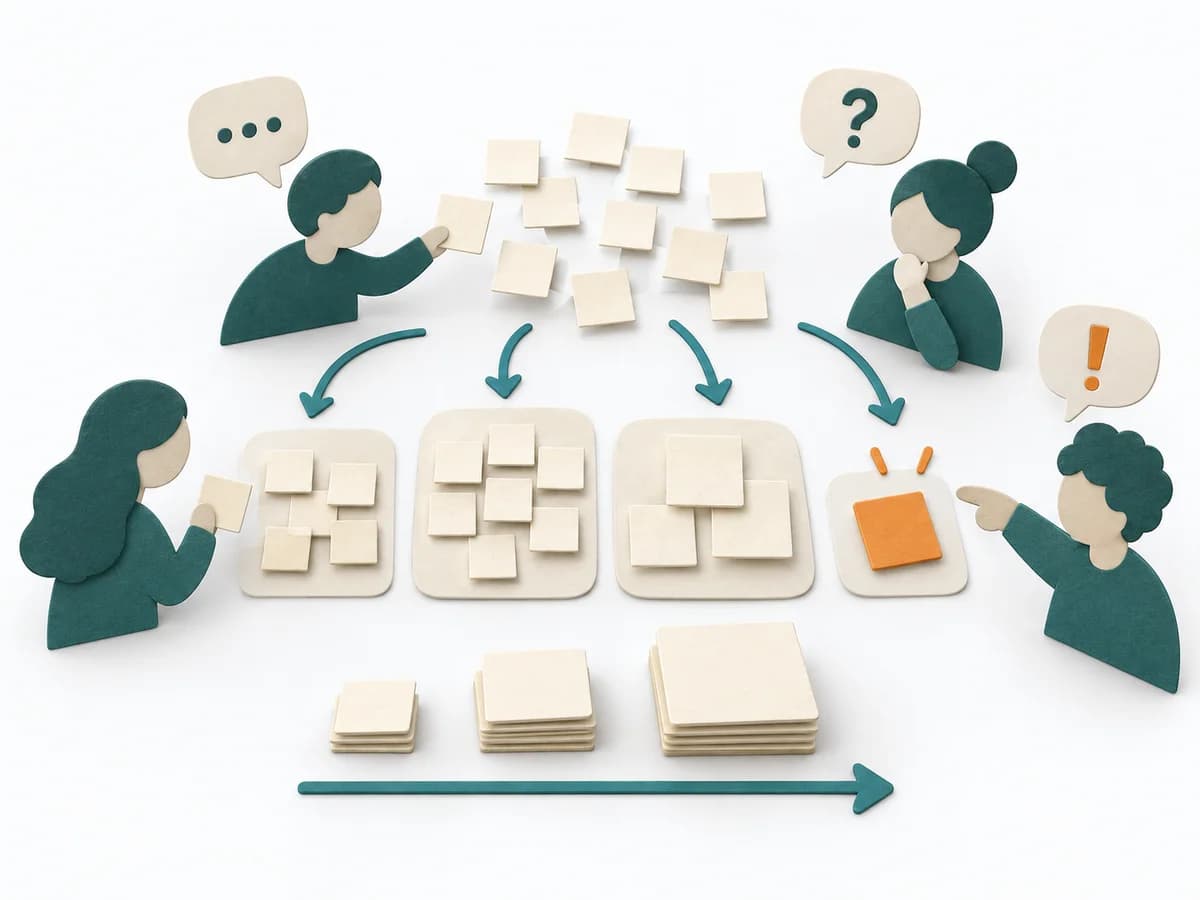 Agile Affinity Estimation | 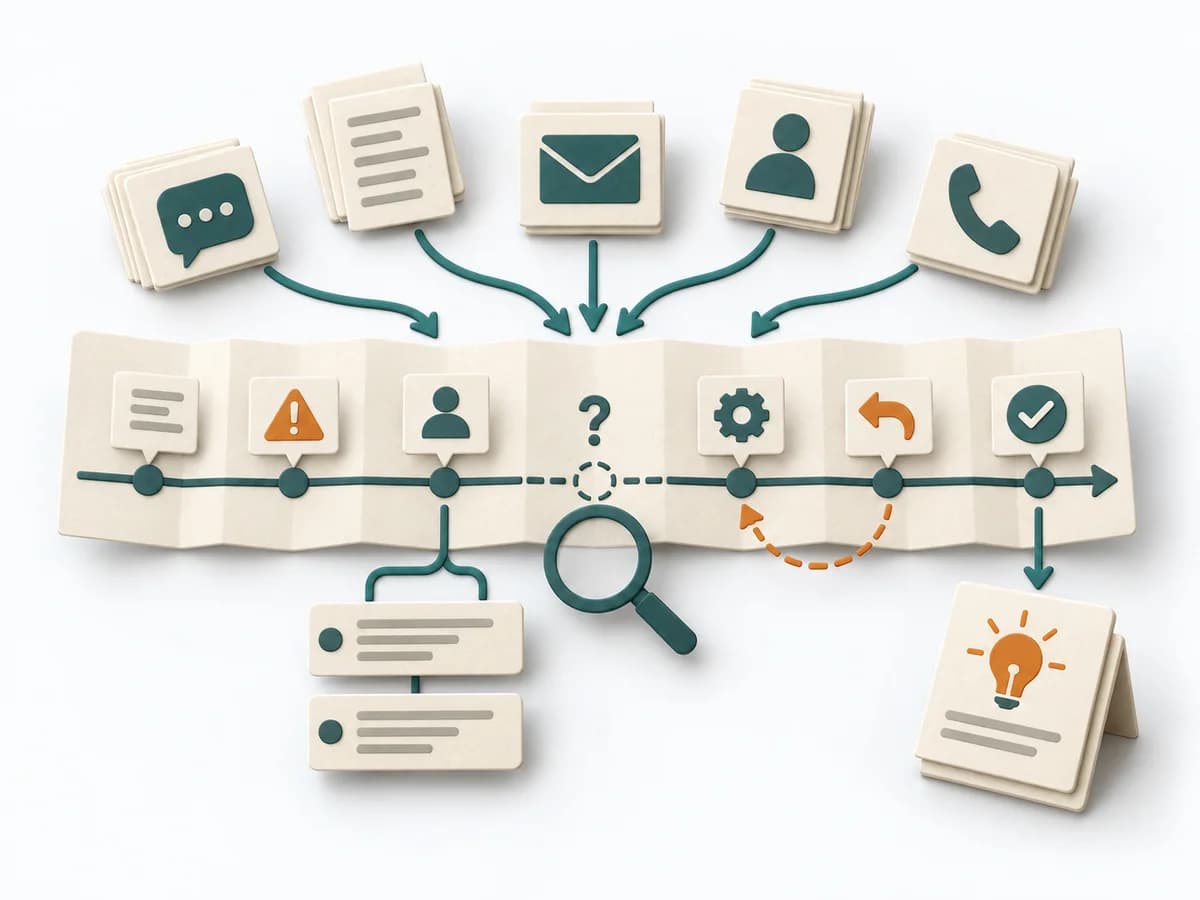 DevOps Incident Timeline Analysis | 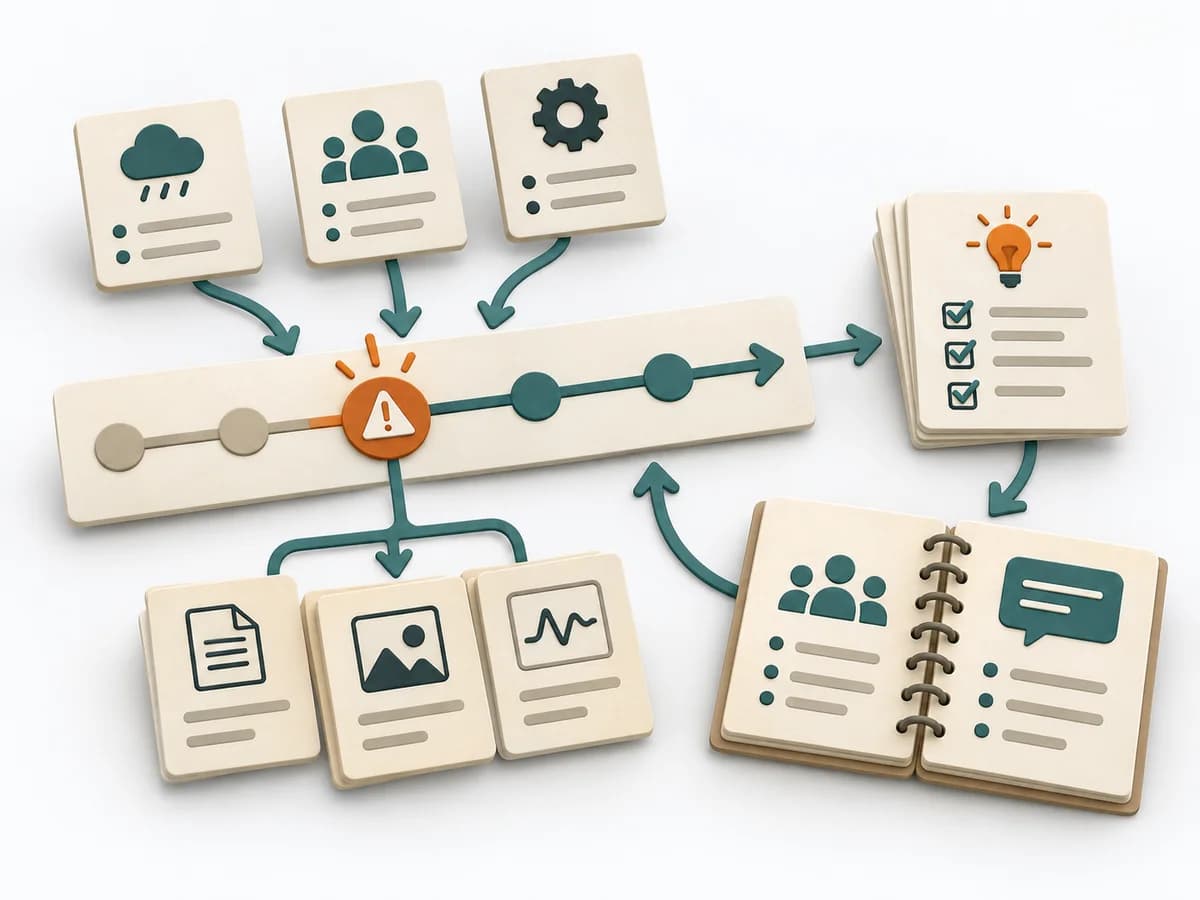 DevOps Blameless Postmortem | 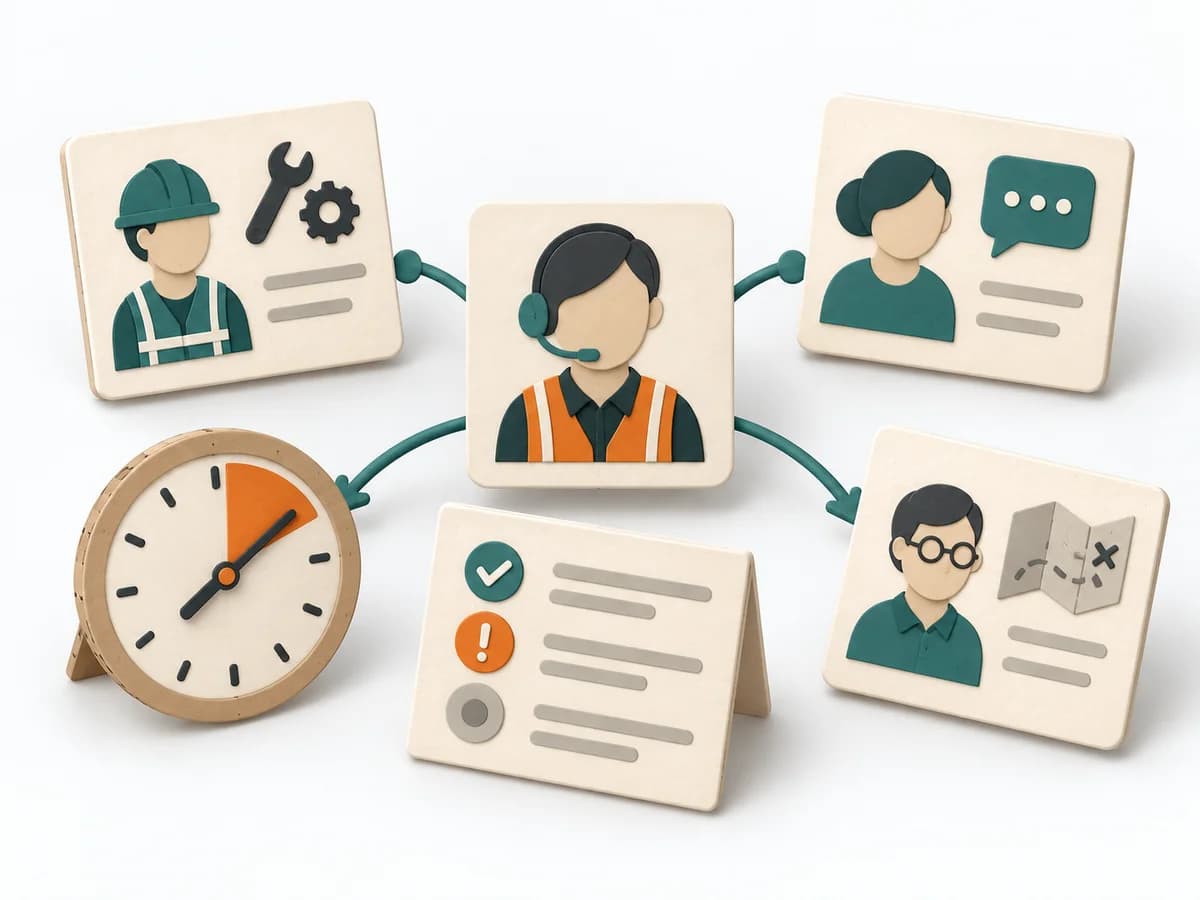 DevOps Incident Command |
|---|---|---|---|---|
Purposedifferent | When many tasks need to be classified quickly, it sorts them by perceived effort and similarity. It reduces the effort of fine-grained estimation for large volumes. | For an incident with an unclear sequence, the method makes the timeline precisely visible. It separates perception, reaction, and delay so cause and effect become more clearly readable. | After an incident with damage or a near miss, the method creates a sober field for learning without assigning blame. It directs attention to the course of events, conditions, and effective countermeasures. | During an acute incident with several people involved, the method creates a clear leadership and communication structure. It reduces chaos when fast coordination and clean situational awareness are both needed at once. |
Complexitysame | Medium | Medium | Medium | Medium |
Timedifferent | 30-90 min | 60-180 min | 30-90 min | As needed |
Participantsdifferent | 3-12 | 3-10 | 3-12 | 4-15 |
Formatdifferent | Workshop | Workshop + async | Workshop + async | Workshop + async |
Outputdifferent | Affinity Size Map, Grouped Estimates, Unclear Items | Incident Timeline, Evidence Log, Delay Analysis, Improvement Actions | Postmortem Doc, Action Items, Timeline | Incident Log, Action Tracker, Stakeholder Updates |
Tagsno overlap | EstimationBacklogRelative sizing | IncidentTimelineSite Reliability Engineering | Site Reliability EngineeringIncidentLearningReliability | IncidentOperationsReliability |